


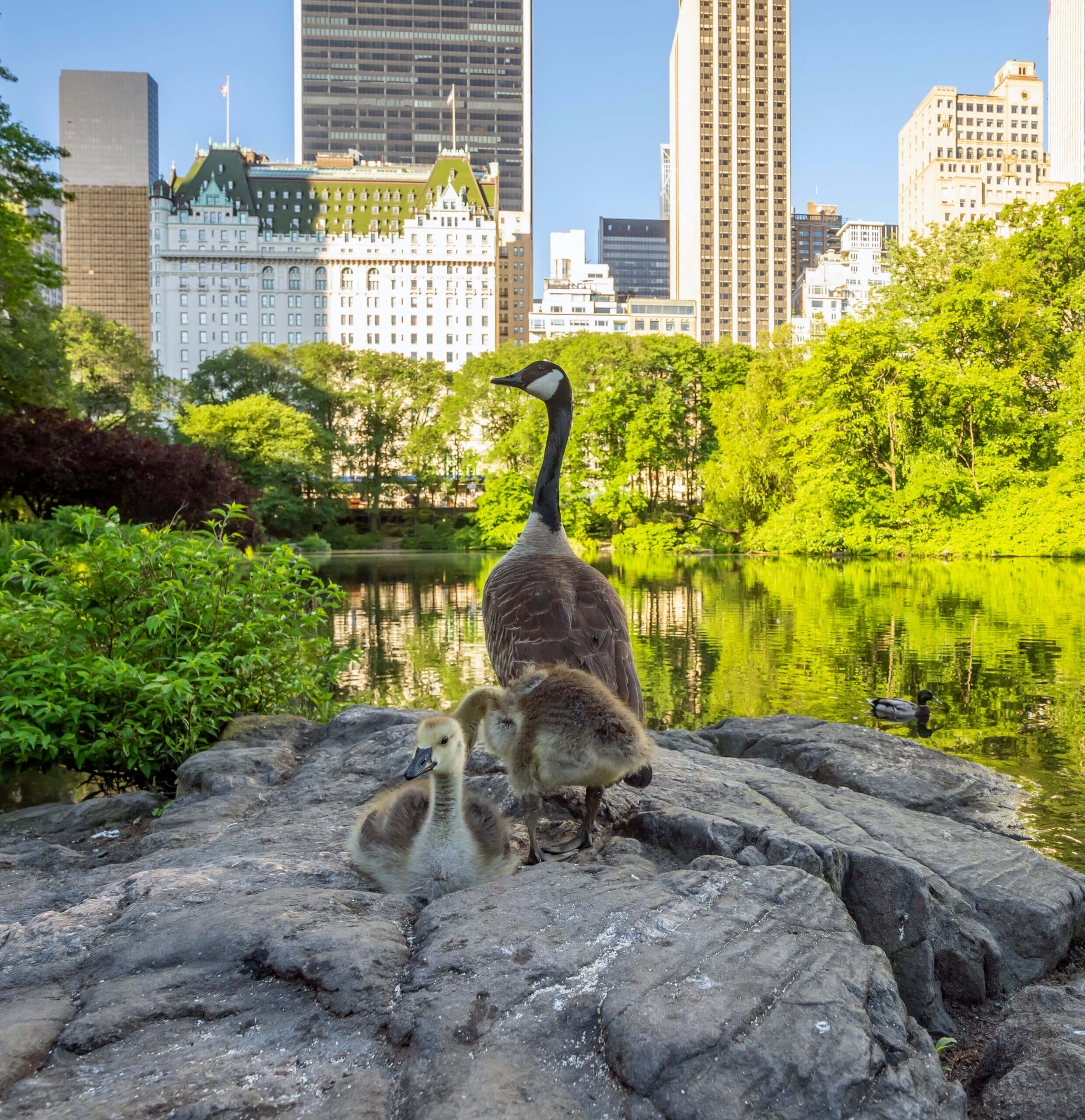
How Green Spaces in Cities Benefit Urban Wildlife
Green spaces are often scarce in crowded, modern cities. This can be detrimental to the people who live there; they need fresh air and spaces to decompress. However, a lack of green spaces in cities is also harmful to resident wildlife, perhaps more critically, because it removes their natural habitats and survival resources.
Incorporating more green spaces in cities can benefit urban wildlife, such as birds, squirrels, and small mammals, by restoring access to food, water, and shelter. It can even attract pollinator “tourism” from insects such as bees, butterflies, and beetles. Here are some of the ways the inclusion of more trees, shrubs, and gardens affects these animals most dramatically.
Providing Essential Food Sources
Urban environments often strip away the natural food sources that animals rely on. Concrete jungles don’t offer much in the way of berries, nuts, or nectar. By integrating green spaces—whether it’s a rooftop garden or a pocket park—we reintroduce native plants that provide sustenance. Berry-bearing bushes feed birds in the winter, while flowering plants offer nectar to struggling insect populations.
Creating Safe Nesting Grounds
Just like we need safe homes, animals need secure places to raise their young. Without trees or dense undergrowth, birds and small mammals are left exposed to predators and harsh weather. Green spaces provide the necessary cover for nesting. Old trees with hollows are perfect for owls, while dense hedges offer shelter for hedgehogs and nesting sites for smaller birds. These safe havens contribute to healthy populations within city limits.
Connecting Fragmented Habitats
Urban sprawl often fragments habitats, isolating animal populations and forcing them to cross dangerous roads to find mates or food. Green spaces, when planned strategically, act as “wildlife corridors.” These are strips of vegetation that connect larger parks or natural areas. They promote genetic diversity by allowing animals to find new mates in different territories and reduce accidents by providing safer pathways away from roads.
Improving Air and Water Quality
Pollution is a major stressor for urban wildlife. Poor air quality can cause respiratory issues in animals just as it does in humans. Planting more trees is one sustainable way to improve air pollution in cities because they act as natural air filters and trap dust and pollutants. Furthermore, green spaces help manage stormwater runoff. Instead of polluted water washing directly into local waterways, soil and plants absorb and filter the rain. This leads to cleaner water sources for amphibians, fish, and birds that rely on urban ponds and streams.
Helping Pollinators Cope With Climate Change
Climate instability makes it harder for insects to find food when they need it. Bees are one species deeply affected by climate change. By adding rooftop gardens with local flora around city centers, offices, and apartments, these spaces can attract and sustain vital pollinator populations. These green roofs serve as refueling stations for pollinators along their migration routes, thereby enabling our urban flowers and vegetable gardens to continue to bloom.
Building A Better Urban Ecosystem
Green spaces in cities can benefit urban wildlife in so many ways. And when urban wildlife benefits, humans do, too—they may see fewer pests around because natural predators thrive, and more pollinators that help our own gardens grow. By welcoming nature back into our concrete lives, we build a healthier, more vibrant city for everyone.