


Sustainable Seafood Processing: How Energy-Efficient Technology Transforms Global Fishing
By Beth Rush
From rising ocean temperatures to shrinking fish populations, the pressure to rethink how humans harvest and process seafood has never been greater.
Fortunately, a new wave of energy-efficient fishing technology advancements is reshaping the industry, offering smarter, cleaner, and more sustainable ways to feed a growing global population. Here’s how innovation is transforming seafood processing and why it matters to you.
The Sustainability Challenge Facing Global Fisheries
Global fisheries are under immense pressure. Overfishing, rising ocean temperatures, pollution, and habitat destruction have pushed many fish populations to critical levels. At the same time, seafood demand continues to rise.
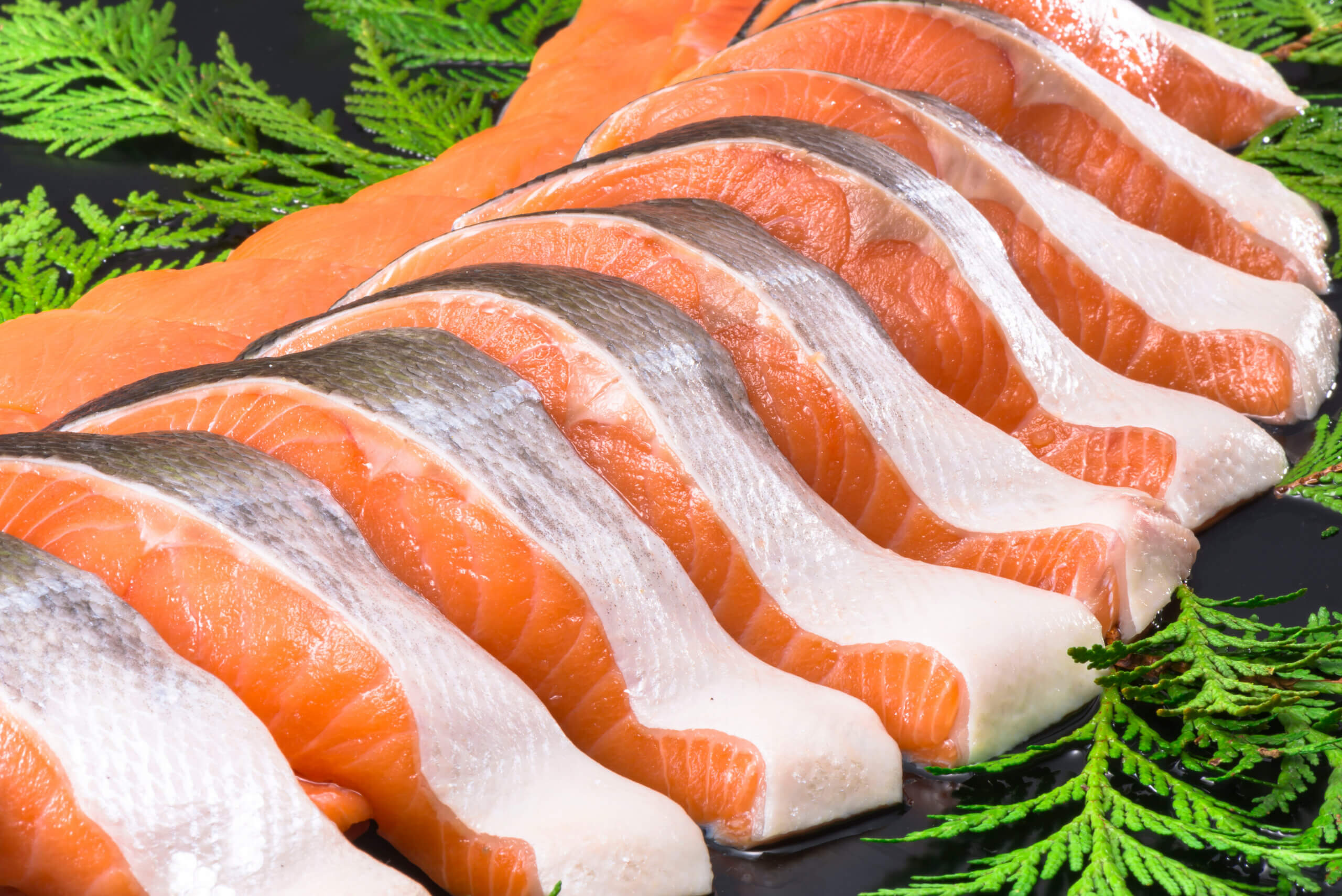
Fatty fish like mackerel and salmon are staples in many diets because they contain omega-3 fatty acids that help reduce inflammation and improve brain cell structure. These factors strain not only ecosystems but also the systems used to harvest, transport, and process fish.
While much attention has been given to sustainable fishing practices, the environmental footprint of seafood processing itself is often overlooked. Processing facilities require significant energy to freeze, refrigerate, cook, and store. Traditional systems are energy-intensive and frequently rely on fossil fuels, contributing significantly to greenhouse gas emissions.
Additionally, inefficient cooling and freezing can lead to higher spoilage rates, resulting in wasted resources and lost product. This combination of environmental stress and operational inefficiency highlights the urgent need for sustainable solutions across the entire seafood supply chain, not just at sea.
What Energy-Efficient Seafood Processing Looks Like Today
Advances in fishing technology, particularly in energy efficiency, automation, and smarter resource management, are reshaping modern seafood processing. High-performance refrigeration systems now use advanced insulation, variable-speed compressors, and environmentally friendly refrigerants to significantly reduce power consumption.
These systems maintain precise temperatures while using less energy, helping processors preserve freshness without high environmental costs.
Automation also plays a major role. Smart sensors can monitor temperature, humidity, and equipment performance in real time, allowing facilities to adjust operations instantly and prevent energy waste. Heat recovery systems can capture thermal energy generated during processing and reuse it to warm water or buildings, further cutting overall energy demand.
Combined with improved facility design and optimized workflow layouts, these technologies create processing environments that are cleaner, faster, and far more efficient than traditional setups.
How Energy-Efficient Tech Improves Both Sustainability and Quality
Energy-efficient seafood processing benefits the planet and directly improves product quality and food safety. Advanced cooling and freezing technologies slow bacterial growth more effectively, helping maintain texture, flavor, and nutritional value. This means you’re more likely to enjoy seafood that tastes better, lasts longer, and retains its natural freshness
Reducing energy use also lowers operating costs, making sustainably processed seafood more accessible to consumers. Meanwhile, improved efficiency minimizes waste by reducing spoilage during handling and storage.
Less discarded product means fewer wasted resources, from fuel used in fishing vessels to the power required for transportation. In this way, energy-efficient technology creates a ripple effect in healthier oceans, more resilient fisheries, and higher-quality seafood on your plate.
The Global Impact of Fishing Technology Advancements
As energy-efficient processing technology becomes more widely adopted, its global impact is growing rapidly. For large commercial fisheries, these innovations reduce emissions, lower operational costs, and improve supply chain efficiency. For smaller fisheries — especially in developing regions — energy-efficient systems can make sustainable processing more accessible. Communities remain economically viable without exhausting local ecosystems.
On the remote island of St. Helena, for instance, a modular blast freezer enables the local fishery to freeze five tons of tuna daily, creating a viable export business where none had previously existed. On a global scale, the shift toward energy-efficient seafood processing contributes to climate goals, ocean conservation efforts, and more resilient food systems, demonstrating that sustainability and productivity can advance together.
Why This Shift Matters to You as a Consumer
Every seafood choice you make sends a signal through the supply chain. By supporting responsibly sourced, sustainably processed seafood, you encourage practices that protect marine ecosystems and promote healthier food systems. Energy-efficient processing can reduce emissions, waste, and overexploitation, helping ensure that future generations can enjoy the same ocean resources available today.
For consumers who value mindful living, sustainability is deeply connected to personal wellness. Choosing seafood processed with energy-efficient technology aligns with this holistic perspective, allowing you to nourish your body while supporting ethical and environmentally sound practices worldwide.
Where Sustainable Seafood Processing Is Headed
The future of seafood processing is increasingly digital, data-driven, and renewable-powered. Artificial intelligence, machine learning, and predictive analytics are already being used to optimize processing workflows, monitor energy consumption, and anticipate maintenance needs. These technologies help facilities reduce downtime, improve efficiency, and further lower energy demand.
Renewable energy integration is also gaining momentum, with processing plants adopting solar, wind, and hybrid power systems to reduce dependence on fossil fuels. Smart energy grids and energy storage technologies will soon allow facilities to operate with minimal environmental impact. Together, these advancements promise a future in which sustainable seafood processing is no longer a niche practice but the global industry standard.
A Reel Win
Sustainable seafood processing proves that innovation can drive both environmental protection and economic growth. By embracing energy-efficient technology, fisheries and processors are creating cleaner operations, healthier oceans, and higher-quality food.
As consumers, your choices help propel this transformation forward. With every mindful purchase, you’re casting a vote for sustainability, making each meal not just delicious, but deeply meaningful.
About the author: Beth Rush is the green wellness editor at Body+Mind, where she covers topics like the power of climate consciousness at all stages of education. You can find Beth on Twitter @bodymindmag. Subscribe to Body+Mind for more posts by Beth!