

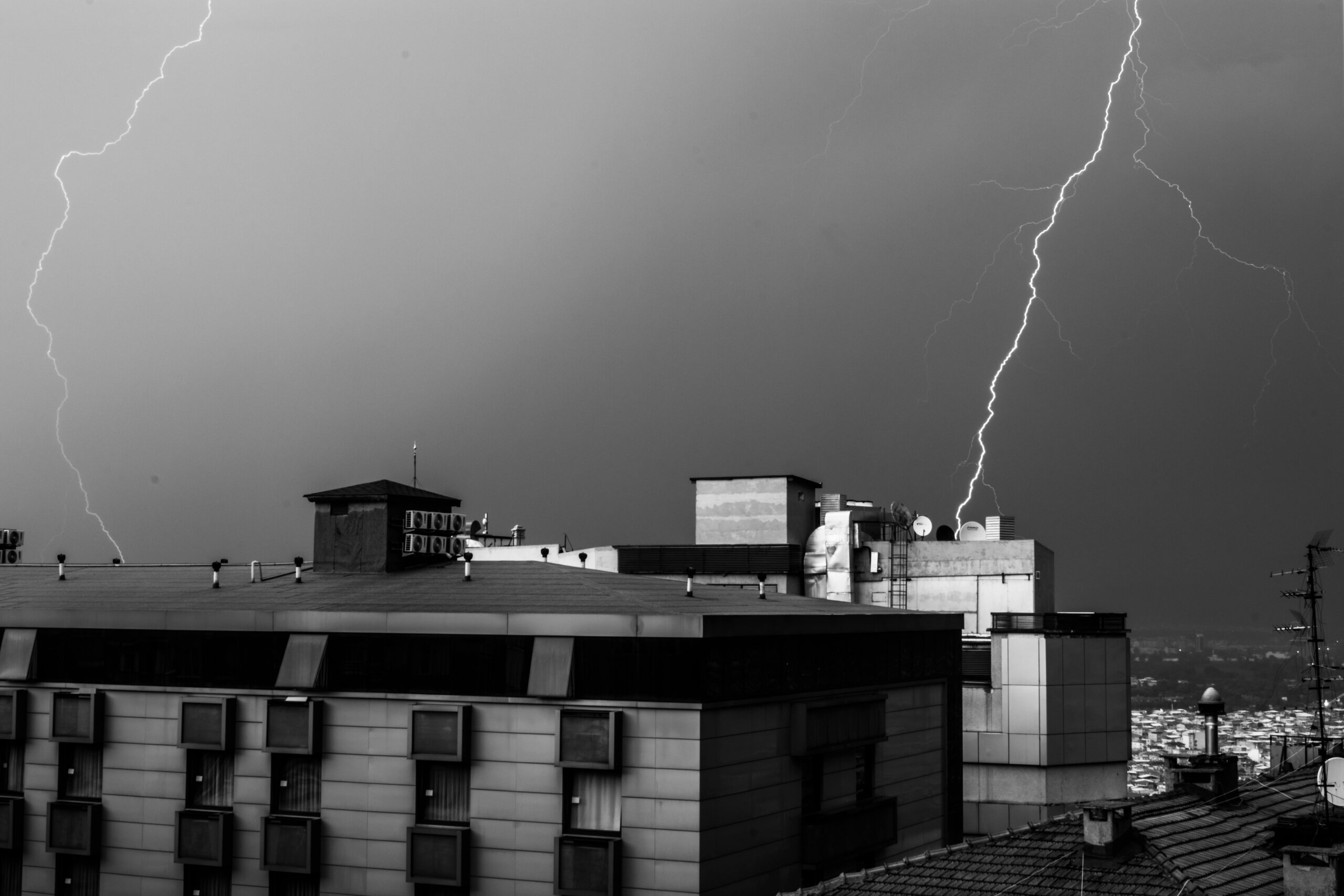
Unavoidable Storm Prep For Commercial Properties in The Near Future
Storms are no longer confined to horror movies or apocalyptic cinema. The Weather Channel reports that the US has experienced 29 hurricanes and storms since 2016, resulting in $1 billion in damage. Storms leave residential and commercial properties ravaged, their owners struggling to cover up costs for months afterward.
The current climate change situation makes it likely that storms and other serious weather events will become even more common. The World Meteorological Organization predicts that one of the subsequent five years may become the warmest on record. It also warns of increasing climate risks and their far-reaching consequences on sustainable development.
As businesses prepare for these adverse events, strengthening commercial infrastructure will become more important. It will involve a combination of strategic construction and innovative future-proofing.
Stronger From Within
The most obvious protection against stormwater threats is to make our infrastructure more resilient. The current pace of climate change provides ample reason to build sturdy buildings that can withstand rough handling.
Climate-conscious developers now endeavor to construct properties that can handle extreme events by considering the foundation, elevation, and reinforcement. For instance, if your office is above the base flood elevation and has concrete frames, it is less likely to buckle under the pressure of high-magnitude winds.
Florida International University observes that commercial buildings can also benefit from using testing equipment, such as its engineering research infrastructure for natural hazards. This setup simulates hurricane conditions to help developers create stronger buildings.
As weather events have become mercurial in recent times, being vigilant and staying on top of required maintenance is essential. This warrants periodic roof and gutter inspections to detect and eliminate blockage.
A professional team can also inspect whether doors and windows close securely or pose a risk of loosening during a catastrophic event. Sometimes, the sealant around doors may develop cracks. Checking this in advance is important to avoid stormwater from permeating.
Facilitating Stormwater Drainage
Water accumulation is a leading consequence of intense storms, causing property damage during the event and for days afterward. Commercial buildings that are unprepared to handle water drainage can face the worst consequences.
Thankfully, innovative stormwater management solutions are now available to make this challenge easier to handle for commercial and infrastructure projects. For example, implementing efficient stormwater drainage and flow control can help prevent storm-induced damage to your office building. Property owners can channel the water to productive uses, such as landscape irrigation.
According to NDS, commercial properties should prioritize solutions that are designed for durability and efficiency. That said, these additions should also be easy to install.
One can take inspiration from the US EPA, which uses creative approaches to encourage stormwater drainage at its facilities. It recommends building bioretention areas to allow runoff to pass through dense vegetation and installing vegetated filter strips. Constructed wetlands can also be a good option for some commercial properties, provided they have the space.
Insuring Against Storm Damage
Although physically strengthening commercial properties is invaluable, you can’t often predict the extent of damage a storm may cause. Having an insurance plan in place can be reassuring and help your business recover from damage faster.
The challenge here is to select an insurance cover that adequately covers your business. CNBC reports that many homeowners’ insurance plans don’t cover the full extent of climate-related damage. So, while the plan may help you cover water damage from a burst pipe, it may not cover the cost to repair the pipe itself. This is more likely if the insurer can argue that you were at fault for not maintaining an optimal temperature in your home.
The National Flood Insurance Program in the US provides support to businesses and property owners for handling the socio-economic consequences of floods, a typical outcome of intense storms. It can be a dependable approach to recover more quickly when the waters recede.
Toward a More Prepared Future
Storms can pose considerable threats to businesses, causing physical damage and affecting the confidence and resilience of the workforce. They disrupt supply chains and demotivate customers, raising concerns about an enterprise’s ability to survive.
Science News magazine assesses whether the US is prepared for another natural calamity like Hurricane Katrina in August 2005. Back then, the hurricane affected large areas of coastal towns. We have improved forecast accuracy, giving people more time to prepare.
Even so, whether forecasting will remain accurate in the long run is debatable. The Trump administration has proposed funding cuts that do not inspire confidence in future readiness.
These circumstances require commitment and caution from property owners, who will need greater proactivity to avoid damage and recover from what is unavoidable.
A combination of strategic infrastructure development, thoughtful capacity building, and an all-hands-on-deck attitude to climate change can help organizations stay prepared for the worst.