


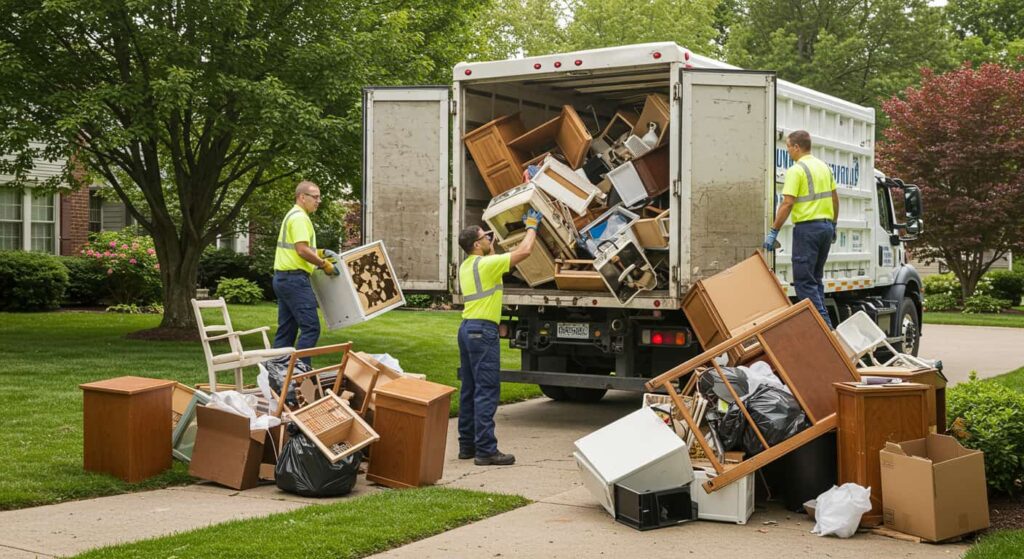
How Professional Junk Haulers Sort, Recycle, and Reuse Items
Most people focus on the moment junk leaves their driveway. An old couch, a broken appliance, or boxes of unwanted items are loaded into a truck and disappear from view. What happens next is often unclear. Does everything go to a landfill? Are recyclable materials actually separated? Do usable items get a second life?
Behind the scenes, professional junk hauling involves far more than transportation. The real environmental impact happens after pickup, when materials are sorted and processed. Proper sorting determines whether items become waste or remain resources. Understanding this process highlights why responsible hauling practices matter for communities.
What happens after junk is picked up
The journey begins the moment items are loaded.
Professional crews are trained to identify different material types and assess whether items are recyclable, reusable, or destined for disposal. Rather than treating everything as trash, experienced teams categorize materials early to maximize diversion from landfills.
This step is critical because once materials are mixed together, recovery becomes more difficult. Effective sorting at the source increases the likelihood that recyclable and reusable items will be properly processed. When handled responsibly, hauling becomes an extension of waste management strategy rather than just a removal service.
On-site sorting at pickup
On-site sorting is an important environmental checkpoint in the hauling process. At the job location, teams evaluate items and separate them into categories before they are transported.
Identifying recyclables, donations, and waste
Materials are typically divided into:
- Recyclable metals, cardboard, and plastics
- Electronic waste that requires specialized processing
- Usable furniture and household goods suitable for donation
- Non-recyclable or contaminated waste
This early assessment helps prevent recyclable materials from being buried under general debris. For example, scrap metal can be set aside for recycling, while a functioning dresser may be earmarked for donation rather than dismantled.
Separating usable items from true trash
Many households discard items that still have value. Furniture with minor cosmetic wear, appliances that function, or unopened household goods can often be redistributed. Professional junk haulers are trained to recognize what can be reused. This reduces unnecessary landfill use and supports local reuse networks. The goal is not just removal, but recovery where possible.
Recycling process
After sorting, recyclable materials are transported to appropriate facilities. Each material stream follows a different path depending on its composition.
Common materials recycled
- Metals such as steel, aluminum, and copper are among the most commonly recovered materials. They are sent to scrap yards where they are melted down and repurposed. Recycling metal uses significantly less energy than mining and processing raw ore.
- Wood can be repurposed or processed into mulch or composite materials. Clean wood is especially valuable because it can be reused without complex chemical treatment.
- Electronics require specialized recycling due to the presence of hazardous components. Devices are dismantled so valuable materials can be recovered safely while preventing toxins from entering landfills.
- Cardboard and paper are baled and processed into new paper products, reducing the demand for virgin pulp.
Partnering with certified recycling facilities
Responsible hauling companies build relationships with certified recycling centers that meet environmental regulations. These partnerships ensure materials are handled properly and not diverted back into landfills due to contamination or improper sorting. By routing materials to appropriate facilities, professional teams increase recycling rates and reduce overall waste.
Reusing and donating items
Recycling is beneficial, but reuse is even more impactful. When items are reused, they avoid both landfill disposal and the energy-intensive recycling process.
Furniture, appliances, and household goods
Sofas, tables, lamps, shelving, and small appliances often remain usable even if they are no longer needed by the original owner. These goods can serve families, nonprofit organizations, or community programs. Rather than dismantling such items for materials, professional junk haulers may set them aside for donation if they meet condition standards.
Working with local charities and reuse centers
Donation partnerships are a key part of responsible hauling. Local charities and reuse centers evaluate items and redistribute them within the community. This approach extends the life cycle of goods and reduces demand for new production. Reuse programs also strengthen local economies by keeping resources circulating within neighborhoods rather than being discarded.
Responsible disposal of non-recyclables
Not every item can be recycled or reused. Some materials are contaminated, broken beyond repair, or made of mixed components that cannot be separated efficiently.
Handling contaminated or broken items
Heavily stained furniture, damaged particleboard, certain plastics, and contaminated materials may not qualify for donation or recycling. These items must be directed to landfill facilities.
However, responsible hauling still minimizes landfill contributions by ensuring only true waste is disposed of. Hazardous materials, including batteries, paints, and chemicals, are handled according to environmental regulations.
Proper containment and transport prevent toxic substances from contaminating soil or groundwater. By carefully identifying what cannot be recovered, professional junk haulers help limit the environmental impact of unavoidable waste.
Environmental benefits of professional junk hauling
When sorting, recycling, and reuse are integrated into the hauling process, the environmental benefits become significant.
Increased recycling rates
Structured sorting systems and facility partnerships increase the percentage of materials diverted from landfills. This conserves resources and reduces greenhouse gas emissions associated with waste decomposition.
Reduced waste and resource conservation
Recovering metals, wood, and reusable goods decreases the demand for raw materials. Lower extraction and manufacturing needs translate to reduced energy use and environmental disruption. Additionally, consolidated transportation routes allow hauling teams to serve multiple households in a single trip, reducing the number of separate journeys required for disposal.
For residents seeking responsible hauling options, working with environmentally conscious junk haulers demonstrates how proper sorting and diversion can support sustainability goals.
How professional sorting supports sustainability
Junk hauling is often viewed as a simple removal service, but the real impact occurs after items leave the curb. Professional sorting, recycling partnerships, donation routing, and responsible disposal practices all contribute to a more sustainable waste system.
Choosing responsible hauling services is not just about clearing space. It is about ensuring unwanted items are handled thoughtfully, diverted whenever possible, and disposed of properly when necessary. In communities focused on sustainability, that distinction matters.