


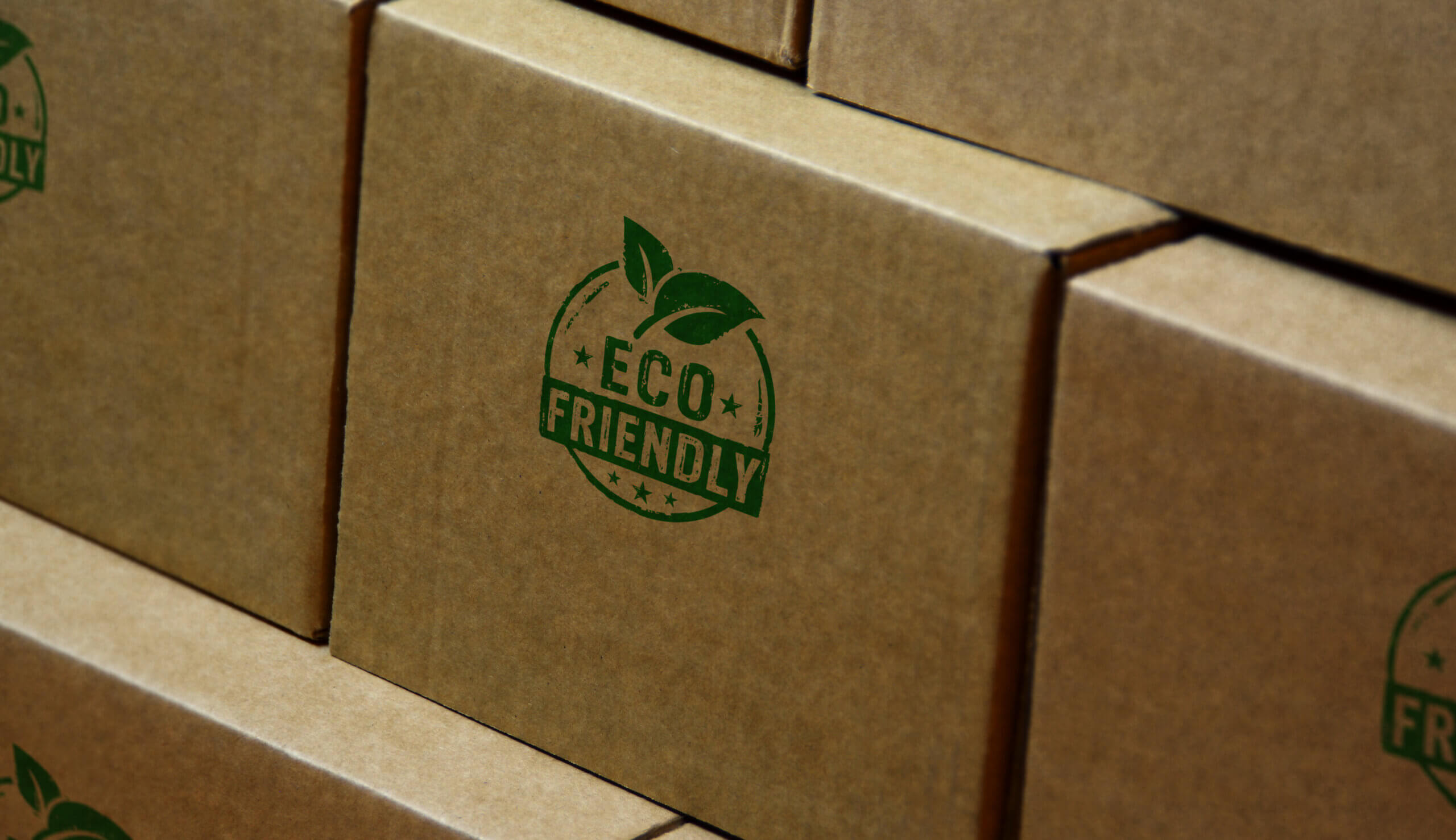
Why Should Businesses Switch to Recyclable and Biodegradable Boxes
Sustainability is no longer just an idea. It has become a strong global movement, and businesses are under pressure to act. Everyone is being asked the same thing: What are you doing to become more environmentally friendly? Packaging has suddenly become a major focus.
Think for a moment about how many packages you open in a week – food deliveries, online shopping orders, even a new skincare item. Now think about the boxes, wraps, and fillers that come with them. It quickly adds up. People are noticing this waste, and so are government authorities.
The reality is that eco-friendly packaging is no longer just something that feels good to do. It is now a smart business decision. Customers care deeply about how products are made, packed, and delivered. They are paying attention and asking questions. If your packaging looks wasteful, people may feel the same about your brand.
What Is Eco-Friendly Packaging?
Eco-friendly packaging means packaging created to reduce harm to the environment. It uses recyclable, compostable, reusable, or recycled materials.
In simple words, it includes materials and designs that lower environmental damage.
The goal is to reduce waste, cut carbon emissions, and ease the pressure on already stressed natural systems.
Green packaging, sustainable packaging, and eco-friendly packaging all mean the same thing: packaging designed to have the least possible environmental impact.
Why Sustainable Packaging Matters
Packaging has several important roles. It protects products, shares information, and helps market your brand. However, traditional packaging methods have added to a growing environmental problem.
The increase in single-use plastics and non-recyclable materials has caused landfills to overflow, polluted water sources, and damaged ecosystems.
Packaging makes up nearly one-third of total plastic production, yet only a small portion is recycled.
Plastic can take hundreds of years to break down. As it collects in nature, it harms soil, contaminates groundwater, and threatens marine life.
Business Benefits of Eco-Friendly Packaging
Modern shoppers care about sustainability. They read labels, ask questions, and want to know what happens to the packaging after they throw it away. Brands that adopt eco-friendly packaging not only meet expectations—they stand out.
Research shows that companies focused on sustainability enjoy stronger customer loyalty. People prefer to support businesses that reflect their values.
Using eco-friendly packaging sends a clear message: your business cares about the environment and future generations. This openness builds trust, improves brand image, and helps you stand out in competitive markets.
Switching to sustainable packaging does more than reduce environmental harm. It strengthens your brand, builds better customer relationships, and prepares your business for the future.
Environmental Advantages
Recyclable and biodegradable packaging reduces the amount of waste sent to landfills and oceans. By using biodegradable, recyclable, or reusable materials, companies can lower emissions and save natural resources.
Biodegradable packaging is made from natural materials such as cornstarch, paper, seaweed, and bamboo. These materials break down quickly without leaving harmful residue.
This helps reduce waste in landfills, oceans, and public spaces.
Using post-consumer recycled (PCR) materials keeps waste out of landfills, reduces the need for new raw materials, and lowers energy use during production.
Operational and Cost Efficiency
Sustainable packaging can also improve daily operations.
Lightweight packaging makes shipping easier and more affordable. Smaller boxes save shelf and storage space. Strong, sustainable materials reduce the chance of damage during transport.
Corrugated and custom magnetic closure boxes are durable enough to protect products while remaining light enough to reduce shipping costs. They can also be customized to avoid unnecessary material use.
Producing recycled corrugated packaging uses much less water and energy compared to making new materials from scratch.
How Businesses Can Make the Transition
Start by reviewing your current packaging. Look at everything you use – boxes, bubble wrap, fillers, tape, and labels.
Before making changes, study your existing materials, packaging design, and supply chain process.
Next, choose materials that balance sustainability, performance, and cost.
Improve efficiency by using fewer materials, selecting the right box size, and removing unnecessary elements.
Working with experienced eco-packaging partners can help ensure your packaging meets quality standards, follows regulations, and reflects your brand values.
Sustainability as a Competitive Advantage
It can be difficult to stand out in a crowded market. Sustainability offers a clear advantage. When you adopt eco-friendly packaging, you show responsibility and care. That care builds trust, and trust leads to sales.
More businesses now recognize that a green packaging strategy supports customer growth, retention, and long-term loyalty.
Conclusion
Switching to eco-friendly packaging is simply good business. It reduces waste, lowers costs, attracts customers, and prepares your brand for the future.
This change is not only about being environmentally friendly. It is about moving forward with a clear purpose and responsibility.