

How Businesses Can Improve Sustainability Through Proper Waste Removal
Sustainability is no longer limited to large corporations with dedicated environmental departments. Businesses of all sizes are being evaluated on how they manage resources, reduce waste, and minimize environmental impact. One of the most immediate and measurable ways a company can improve its sustainability efforts is through proper waste removal.
Waste management affects everything from landfill use and carbon emissions to regulatory compliance and corporate reputation. By implementing smarter waste removal strategies, businesses can reduce environmental harm, improve operational efficiency, and strengthen relationships with customers and stakeholders who value responsible practices. Understanding how waste flows through an organization is the first step toward meaningful improvement.
Understanding business waste
Every business generates waste, but the type and volume vary depending on industry and operations. Identifying these streams allows companies to pinpoint areas for improvement.
Common types of business waste
Businesses typically generate:
- Office waste such as paper, packaging, and food scraps
- Industrial waste, including scrap materials and byproducts
- Construction debris from renovations or facility upgrades
- Electronic waste from outdated equipment
- Hazardous waste, such as chemicals or cleaning agents
Each category requires different handling methods. Treating all waste as general trash increases landfill contributions and misses opportunities for recycling or reuse.
Identifying waste reduction opportunities
Before improving waste removal practices, businesses should conduct a basic waste audit. This involves reviewing what materials are being discarded and how often.
Questions to consider:
- Which materials make up the largest portion of waste?
- Are recyclable items being mixed with general trash?
- Are reusable materials being discarded unnecessarily?
- Are disposal methods compliant with environmental regulations?
Pinpointing inefficiencies helps businesses prioritize changes that will deliver measurable environmental and financial benefits.
Implementing sustainable waste practices
Once waste streams are identified, businesses can begin implementing systems to manage them responsibly.
Establish recycling and segregation systems
Clear waste segregation is essential. Without proper separation, recyclable materials may become contaminated and end up in landfills.
Effective systems often include:
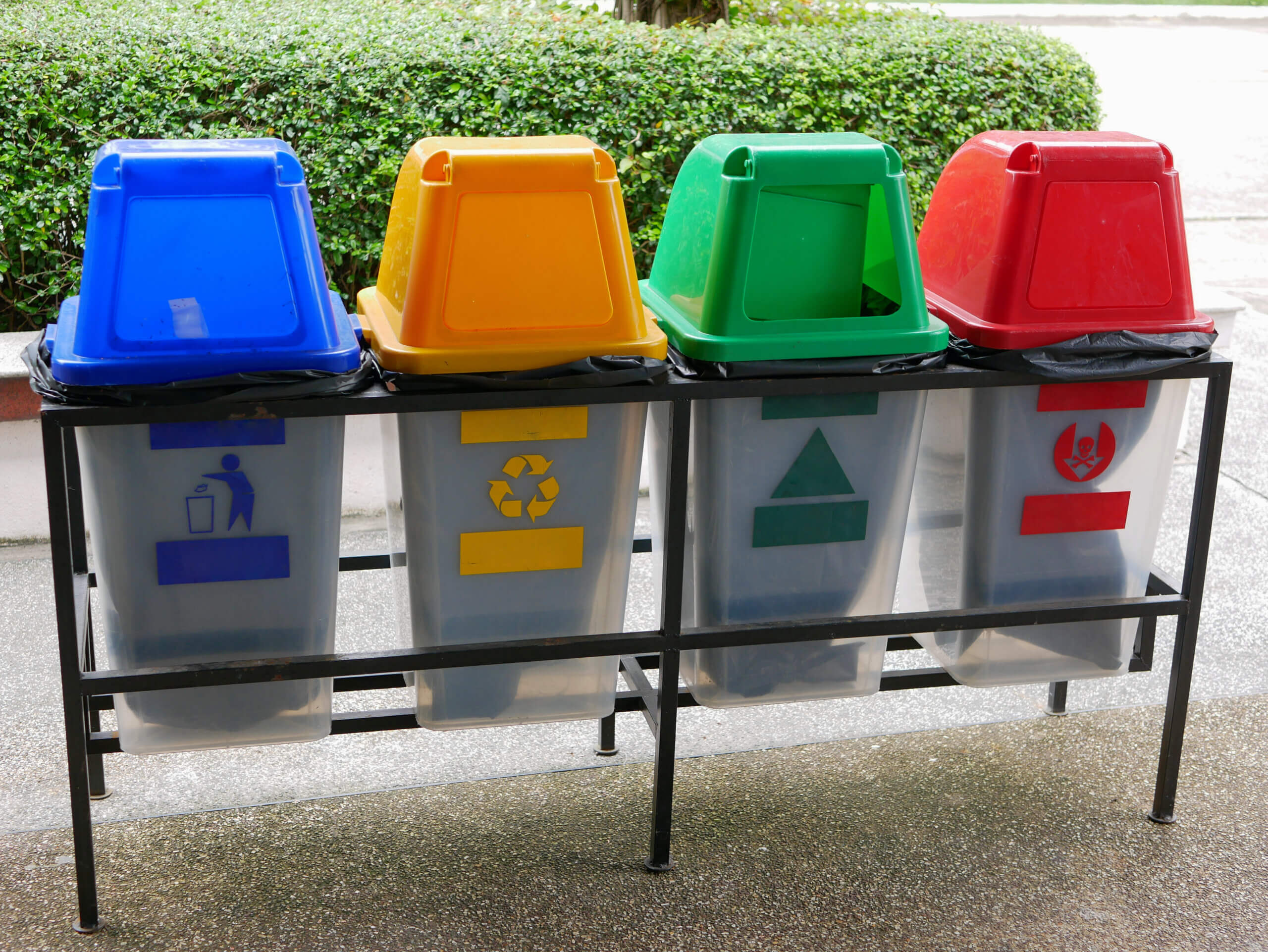
- Clearly labeled recycling and landfill bins
- Separate containers for cardboard, metals, plastics, and e-waste
- Dedicated storage areas for hazardous materials
- Regular employee reminders about sorting protocols
Proper segregation increases recycling rates and reduces the volume of waste requiring disposal.
Reduce waste through reuse and responsible disposal
Waste reduction goes beyond recycling. Businesses can minimize waste at the source by:
- Reducing single-use packaging
- Reusing shipping materials
- Digitizing paperwork to reduce paper waste
- Purchasing durable equipment instead of disposable alternatives
When items such as furniture, fixtures, or equipment are no longer needed, responsible disposal options should be prioritized over landfill dumping.
Partnering with environmentally focused providers offering junk removal services can help ensure that reusable and recyclable materials are diverted appropriately.
Working with professional waste removal services
Professional waste removal services play a critical role in supporting business sustainability.
Partner with certified haulers
Businesses should work with certified and reputable waste haulers who understand local environmental regulations. Proper handling of hazardous waste, construction debris, and large-scale materials requires expertise.
Certified providers can:
- Ensure compliance with environmental laws
- Route recyclable materials to appropriate facilities
- Provide documentation for sustainability reporting
- Reduce the risk of improper disposal
Strategic partnerships strengthen a company’s environmental credibility and reduce liability.
Ensure proper handling of recyclable and reusable materials
Professional waste services often have established relationships with recycling centers and donation organizations. This increases the likelihood that materials such as scrap metal, cardboard, and electronics are processed responsibly.
When businesses schedule junk removal as part of facility upgrades or cleanouts, choosing a provider that prioritizes sorting and diversion helps reduce reliance on landfills. Responsible hauling ensures that valuable materials remain in circulation rather than becoming waste.
Engaging employees in sustainability
Even the best waste removal systems fail without employee participation. Staff engagement is essential for maintaining consistent practices.
Train employees on proper waste management
Training programs should explain:
- What materials can be recycled
- How to separate waste correctly
- The environmental and business benefits of proper waste removal
- Company sustainability goals
Clear instructions reduce contamination and improve compliance.
Encourage participation through clear policies
Leadership should reinforce waste management policies through visible signage, internal communications, and performance expectations. When employees understand how their actions contribute to broader sustainability goals, participation increases.
Simple steps such as assigning sustainability champions or providing feedback on recycling performance can reinforce engagement. Creating a culture of environmental responsibility strengthens both operational outcomes and workplace morale.
Tracking and improving results
Sustainability efforts should be measurable. Tracking performance allows businesses to evaluate progress and adjust strategies.
Monitor waste reduction and recycling performance
Businesses can track:
- Monthly landfill diversion rates
- Recycling volumes
- Hazardous waste disposal records
- Cost savings from reduced waste
Comparing data over time reveals trends and highlights areas for improvement.
Adjust strategies to meet sustainability goals
If contamination rates remain high, additional training may be needed. If certain waste streams remain significant, alternative vendors or product sourcing strategies may help. Continuous improvement ensures waste removal practices evolve alongside business growth. In some cases, periodic junk removal audits can help reassess material flow.
Proper waste removal drives meaningful sustainability
Sustainability is not achieved through a single initiative. It is built through consistent, measurable improvements. Businesses that treat waste removal as a strategic priority rather than a routine expense are better positioned to meet evolving environmental expectations and contribute to a more sustainable economy. When organizations commit to responsible junk removal, they move closer to aligning operational success with environmental stewardship.