

Eco-Conscious Innovation: How Digital Manufacturing Reduces Material Waste
Manufacturing has always created waste. Extra materials, failed prototypes, and overproduction often go unused or end up thrown away. Today, companies are starting to rethink this process. Digital manufacturing is helping businesses produce smarter while using fewer resources.
Instead of relying on traditional methods that often waste materials, modern tools allow manufacturers to design, test, and produce with greater precision. This shift is not just about efficiency; it is about responsibility.
By reducing material waste and improving production accuracy, digital manufacturing supports more eco-conscious practices. As sustainability becomes a priority for industries worldwide, these technologies are proving that innovation and environmental responsibility can work together.
Manufacturing Has Entered a New Era: Sustainability Is Central to It
This isn’t abstract thinking anymore. The overlap between digital technology and genuine environmental impact is happening on real factory floors, right now. Getting fluent in how these two forces work together is your first practical step toward measurable results.
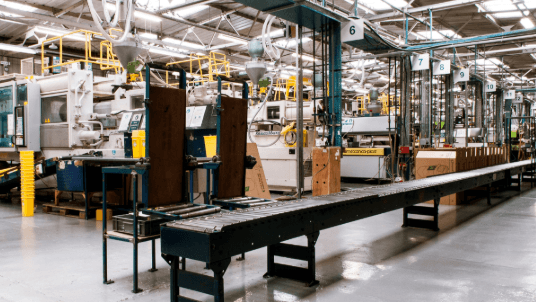
Real-time monitoring and simulation tools help engineers refine product designs before production begins, ensuring greater efficiency and fewer discarded materials. These improvements are particularly valuable in sectors that rely on thermoforming packaging, where precise mold design and controlled heating processes allow manufacturers to produce durable, lightweight packaging while conserving raw materials.
What Digital and Green Manufacturing Actually Share
Strip away the jargon, and you find something simple: digital manufacturing and sustainable manufacturing are both about doing more with less material, less time, and less guesswork. When solid data flows freely among design, production, and end-of-life stages, overproduction naturally declines. Defects shrink. Idle inventory stops accumulating.
That full-lifecycle mindset, from raw input to finished goods to recovery, is the real difference between reacting to waste after it happens and preventing it from happening at all.
The Technology Stack Behind Eco-Friendly Production
Eco-friendly production isn’t one tool; it’s a connected system. Digital twins mirror physical production lines in a virtual environment. Industrial IoT sensors track material consumption and energy use in real time.
Advanced robotics reduces handling damage and cuts scrap. Cloud-based MES and PLM platforms pull sustainability data into one coherent picture. These technologies amplify each other. The result is a production ecosystem that keeps improving itself.
Once you understand why digital and green manufacturing belong together, the more useful question becomes: how, specifically, do these tools turn principles into measurable results?
Waste Reduction Begins at the Design Stage
Here’s something many operations teams miss: the biggest waste-reduction opportunities aren’t on the floor. They’re in the design phase, weeks or months before any machine ever runs.
Virtual Prototyping That Eliminates Physical Sample Rounds
CAD tools and simulation environments can replace multiple rounds of costly physical prototypes. For plastics, metals, and the tooling involved in thermoforming packaging, this translates directly into fewer material iterations, shorter development timelines, and dramatically less scrap generated before you even reach production.
Some teams have cut prototype material consumption by 50% or more, simply by validating designs in a digital environment before committing anything physical.
Lightweighting and Topology Optimization Done Digitally
Design software can identify and eliminate unnecessary material volume while fully preserving structural integrity. Lattice structures, strategic ribbing, and optimized wall thickness all reduce material without weakening the part.
Cross-functional teams, design, quality, and sustainability can collaborate on shared digital models and catch waste-generating choices long before they ever touch the production floor.
Designing Efficiency Into Every Project From the Start
Snap-fits instead of screws. Shared geometries that reuse validated tooling. Fewer components through smart part consolidation.
These aren’t preferences; they’re sustainable manufacturing decisions embedded into standard design rules and green design libraries. That means efficiency becomes repeatable across every project, not just the ones where someone remembered to ask about it.
Even the most thoughtfully designed product can generate unnecessary scrap if your production systems aren’t working just as intelligently.
Smarter Production: Where Digital Controls Eliminate Preventable Scrap
Real-time digital controls on the production floor are where design intent meets physical reality. This is also where preventable waste either gets caught early or quietly slips through.
Closed-Loop Process Control for Precise Material Use
Live sensor data feeds directly into analytics systems that automatically adjust machine parameters on the fly. In extrusion, injection molding, and thermoforming packaging applications, precise thickness control avoids both under- and over-gauging.
Fewer rejects. More consistent material consumption. Significantly less rework. According to the World Economic Forum, digitally advanced factories have achieved a 56% decrease in scrap alongside a 19% increase in OEE, and that’s not a rounding error.
Predictive Quality Control That Catches Problems Before Batches Are Ruined
AI and machine vision systems flag anomalies before an entire production run is compromised. When machine data shows an emerging drift, the system catches it immediately, not at the end-of-line quality check when the damage is already done. Digital traceability connects defects back to root causes, enabling permanent fixes rather than endless firefighting.
On-Demand Production That Kills Overproduction at the Source
Shifting from forecast-driven to demand-driven production means fewer finished goods written off as obsolete inventory. Modular lines and flexible cells quickly switch between SKUs, reducing wasteful changeovers. Reducing material waste this way doesn’t always require massive capital outlay; often, it starts with better data and smarter scheduling decisions.
With scrap tackled at the line level, the next frontier for waste reduction moves squarely into packaging.
Where Digital Manufacturing Transforms Sustainable Packaging
Packaging is one of the most visible, fastest-payoff areas where digital tools deliver real sustainability wins, and consumer expectations are already demanding it.
Connected Packaging That Replaces Static Printed Content
Dynamic QR codes allow brands to update allergen details, recipes, and regulatory information without reprinting a single package. According to 1WorldSync’s 2024 Product Content Benchmark report, 64% of shoppers have scanned a QR code on a product while shopping in-store, a 10-point increase from the prior year. That behavioral shift makes digital content delivery not just a sustainability win, but a genuine consumer expectation.
Optimizing Thermoforming Packaging with Real-Time Process Intelligence
Sheet trim, startup scrap, thickness variability, and tool wear are all meaningful waste drivers in thermoforming packaging operations. Digital monitoring of sheet feed, forming pressure, and temperature catches off-spec parts early.
Nesting and layout software minimizes trim scrap. Digital twins let teams test new package designs and process windows virtually, before a single sheet of material is touched.
Variable Data Printing That Ends Pre-Printed Stock Obsolescence
Late-stage customization means no pre-printed inventory goes obsolete when campaigns change or regulations shift.
Multiple languages and regional variants print on demand, synced directly with ERP and MES systems. Misprints and expensive reruns drop significantly when clean data flows from system to shelf without manual intervention.
The Real Competitive Advantage Here Isn’t Just Environmental
Digital manufacturing, connected packaging, and smart process control aren’t parallel initiatives you manage separately; they’re a single integrated strategy for reducing material waste and building an operation that actually outperforms.
The manufacturers gaining ground right now aren’t just buying technology; they’re investing in sharper decisions at every stage of production. Audit your top three waste streams. Pick one pilot area. Start there. The data will surface exactly where the biggest gains are hiding, and genuinely eco-friendly production will follow from acting on what it shows you.
Questions Manufacturers Are Actually Asking Right Now
How does digital manufacturing reduce material waste compared to traditional methods?
It replaces guesswork with data. Real-time sensors, closed-loop controls, and virtual prototyping catch waste before it happens, rather than managing it after the fact.
Can smaller manufacturers realistically afford digital twins and advanced analytics?
Absolutely. Cloud-based tools and modular sensor systems have made entry points genuinely accessible. Starting with one high-scrap line is a practical, low-cost pilot that builds the business case quickly.
Which KPIs should manufacturers track first to demonstrate the impact of green manufacturing practices?
Start with first-pass yield, scrap rate, and material utilization. These three directly reflect green manufacturing practices and align clearly with both cost-reduction and sustainability targets.