

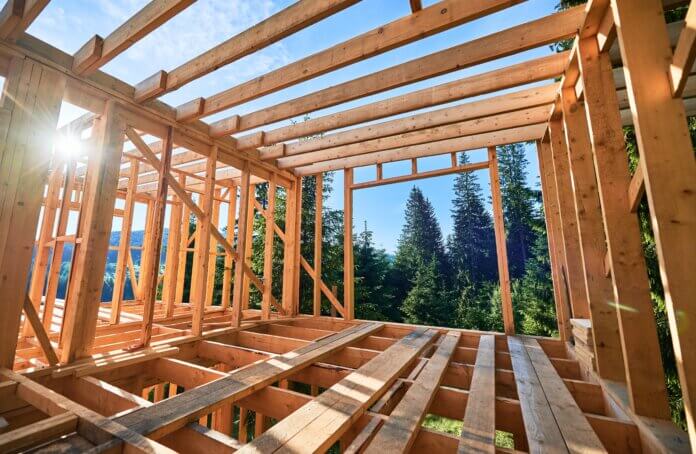
How Better Building Materials Can Reduce Long-Term Environmental Impact
The construction industry plays a major role in shaping the world around us, but it also has a significant environmental footprint. From the extraction of raw materials to energy use during construction and maintenance, every stage has an impact. One of the most effective ways to reduce this impact is to choose sustainable building materials designed for longevity, efficiency, and eco-friendliness.
Why Material Choice Matters
Durability is one of the most important factors when considering environmental impact. Materials that last longer reduce the need for frequent repairs, replacements, and additional resource consumption.
For example, high-quality fixings and structural components can extend the life of a building and prevent waste over time. When contractors invest in reliable products, such as choosing to buy Paslode nails, they are not only improving construction quality but also reducing the likelihood of future material waste and structural issues.
Sustainable Sourcing and Resource Efficiency
Sustainable sourcing is another key consideration. Materials that are responsibly sourced, such as certified timber or recycled metals, help minimize environmental damage caused by extraction and manufacturing processes.
Using recycled or reclaimed materials can significantly reduce carbon emissions and conserve natural resources. In addition, modern manufacturing techniques are increasingly focused on reducing waste and energy consumption, making it easier for builders to choose eco-friendly options without compromising on performance.
Energy Efficiency in Building Design
Energy efficiency is closely linked to material selection. Insulation, glazing, and structural materials all play a role in how a building retains heat or stays cool. High-performance materials can reduce the need for artificial heating and cooling, lowering energy consumption over the building’s lifetime. This not only reduces environmental impact but also leads to long-term cost savings for homeowners and businesses.
Designing for Adaptability and Longevity
Another important factor is adaptability. Buildings constructed with flexible and modular materials are easier to modify or upgrade rather than demolish. This reduces the amount of waste sent to landfill and extends the usable life of structures. Materials that allow for easy disassembly and reuse are becoming increasingly popular as the industry shifts towards a circular economy approach.
Low-Maintenance Materials and Reduced Waste
Low-maintenance materials also contribute to sustainability. Products that resist weathering, corrosion, and wear require fewer treatments, repairs, and replacements. This reduces the need for additional chemicals, coatings, and resource use over time. For example, treated timber, corrosion-resistant metals, and advanced composites can all help extend the lifespan of a structure while minimizing upkeep.
The Impact of Transport and Logistics
Transportation and logistics should not be overlooked either. Locally sourced materials reduce emissions associated with long-distance transport. Lightweight materials can also lower fuel consumption during delivery and installation. These small considerations can add up to a significant reduction in a project’s overall carbon footprint.
Building a More Sustainable Future
Ultimately, better building materials support a more sustainable construction industry by reducing waste, conserving resources, and improving efficiency. While the initial cost of higher-quality materials may sometimes be greater, the long-term environmental and financial benefits often outweigh the upfront investment.
As awareness of environmental issues continues to grow, both builders and homeowners are placing greater importance on sustainable choices. By prioritizing durability, efficiency, and responsible sourcing, the construction industry can play a vital role in reducing long-term environmental impact and creating buildings that stand the test of time.