


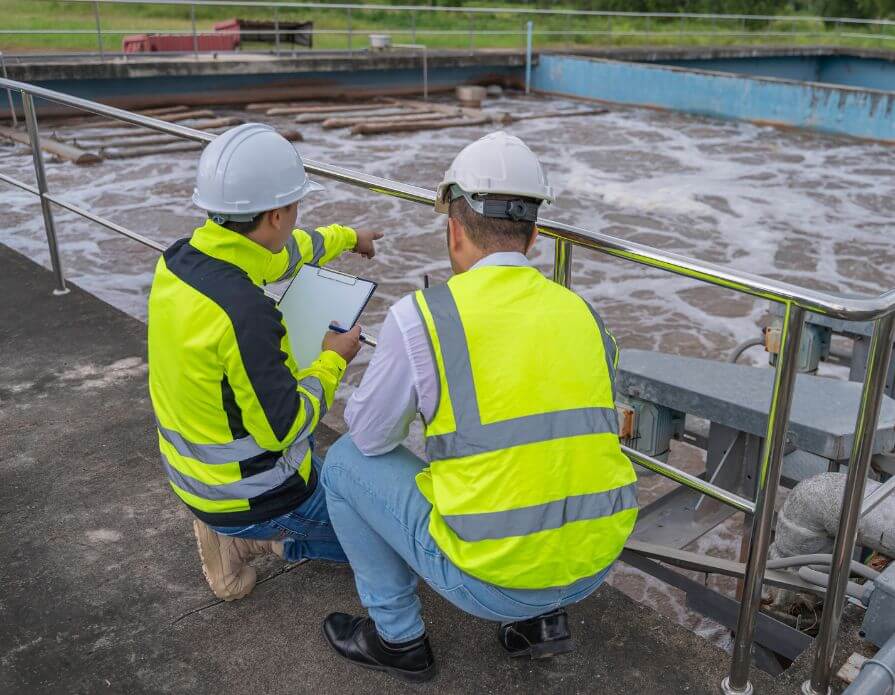
The Importance of Proper Wastewater Handling and Treatment
Communities depend on clean water systems to protect public health, local ecosystems, and long-term economic and environmental sustainability. Proper wastewater handling is important for reducing pollution, limiting disease risks, and supporting more responsible resource use across homes, businesses, and industrial sites.
Poor wastewater management can contaminate rivers, lakes, and groundwater with chemicals, pathogens, and excess nutrients. These pollutants damage aquatic life, disrupt drinking water sources, and increase treatment costs for cities and utilities.
Why Wastewater Treatment Matters
Effective wastewater treatment removes harmful substances before water returns to the environment or enters reuse systems. This process helps communities meet environmental standards, reduce health hazards, and preserve water quality in areas already facing stress from drought and population growth.
Treatment supports sustainability goals by improving water efficiency and lowering pressure on freshwater supplies. Facilities that recover water, energy, or nutrients from waste streams create added environmental value while reducing long-term operating burdens.
Risks of Improper Handling
Improper storage, transport, or discharge can create immediate and lasting damage. Overflow events, leaks, and untreated runoff can spread bacteria, fuel algal blooms, and weaken trust in public infrastructure.
Industrial wastewater poses additional challenges because it may contain oils, heavy metals, solvents, or corrosive substances. Strong handling practices, regular inspections, and durable containment systems help reduce failures before they affect surrounding land and water.
What Strong Systems Include
Reliable wastewater systems combine infrastructure, maintenance, and public awareness. Strong programs often focus on:
- regular inspection of tanks, pipes, and treatment equipment
- fast response to leaks, overflows, and system failures
- clear disposal rules for households and commercial facilities
- upgrades that support water reuse and energy efficiency
These steps help prevent avoidable contamination and extend the life of treatment infrastructure. They also reduce costs tied to emergency repairs, cleanup, and regulatory penalties.
Seasonal conditions also affect performance, especially where temperature shifts, storms, or heavy rainfall strain storage and treatment equipment. Understanding seasonal water tank maintenance paths can help operators and property managers maintain safer systems throughout the year.
The Role of Sustainable Solutions
Sustainability efforts now push wastewater management beyond basic compliance. Many cities and organizations invest in eco-friendly wastewater treatment strategies that reduce chemical use, improve efficiency, and support circular water systems.
Proper wastewater handling and treatment protect public health, preserve water quality, and support more sustainable communities. Strong systems, routine maintenance, and informed management reduce pollution risks and help keep water infrastructure reliable over time.
As water demand grows and environmental pressures increase, wastewater treatment will remain a key part of sustainability efforts. Cleaner processes and better handling practices can help communities protect natural resources while building more resilient systems for the future.