


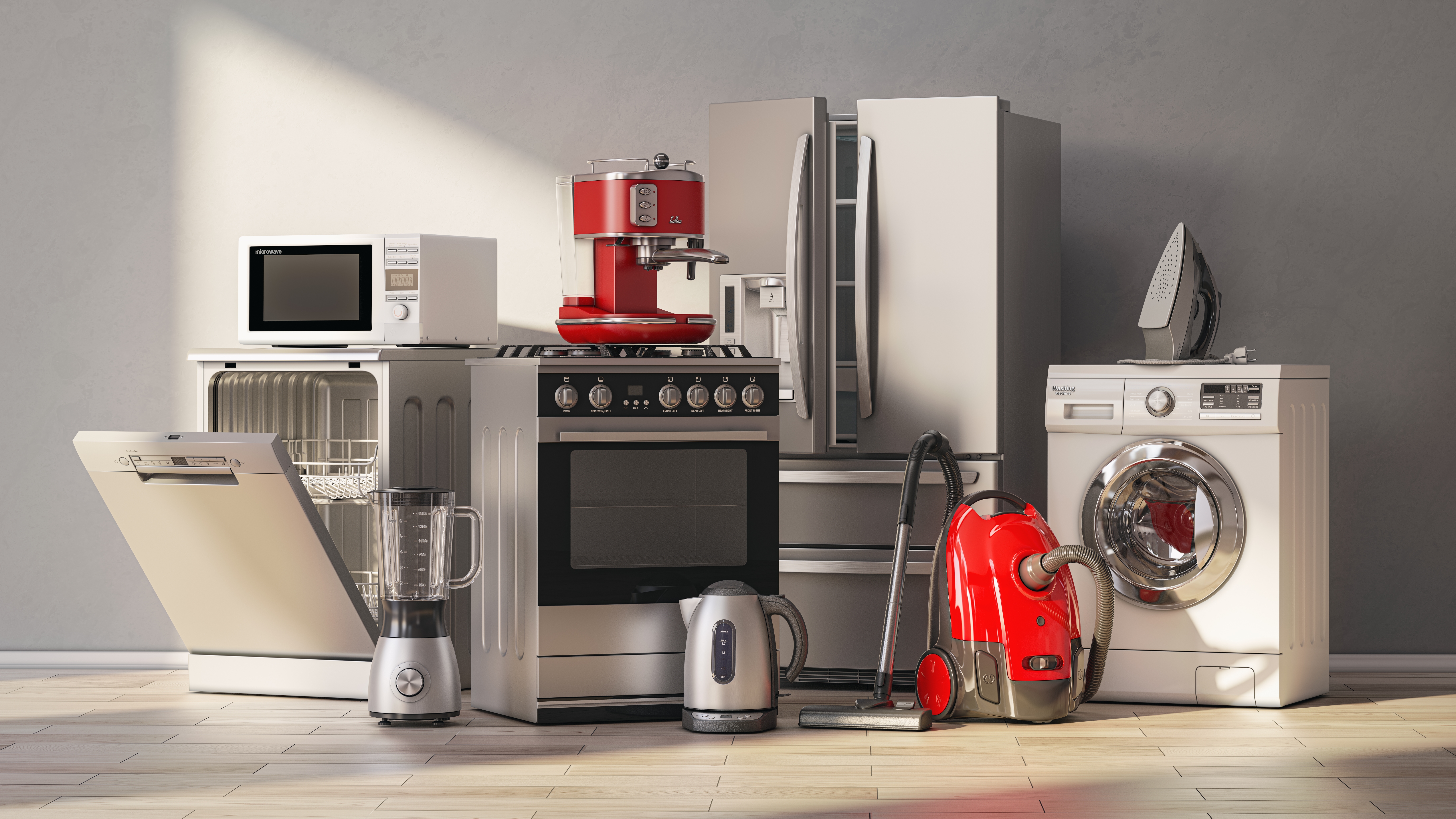
Energy-Efficient Appliances: Are They Actually Worth It?
Here’s something most households quietly ignore every month: a significant chunk of that utility bill isn’t random. It’s the appliances. The refrigerator is humming in the corner. The washer is running longer than it needs to. The 2009 dishwasher no one thought to question.
According to the U.S. EPA, switching to ENERGY STAR-certified models saves a typical household roughly $450 annuallywhile maintaining the same quality and performance you already expect. That’s not a rounding error. That’s a real return, and it compounds.
Calculating Energy-Efficient Appliance ROI
Before you replace anything, you need to run the numbers. The concept of energy-efficient appliance ROI isn’t vague or speculative; it’s something you can actually calculate, in advance, with the information already printed on the EnergyGuide label.
Upfront Costs vs. Long-Term Savings
Yes, efficient models typically carry a higher sticker price. But that gap closes sooner than most buyers expect. When you look at the total cost of ownership, purchase price combined with operating expenses across an appliance’s full lifespan, the premium often disappears within a few years.
Here’s a simple example: a refrigerator that costs $150 more upfront but saves $40 annually in electricity? That’s a payback period of under four years. Every dollar saved after that is an unambiguous return on investment.
Typical Payback Periods by Appliance Type
Payback timelines differ by appliance, but they’re consistently shorter than homeowners assume. Refrigerators typically reach break-even within three to five years. Washers and dryers, factoring in water savings alongside electricity, usually land somewhere in the four-to-six-year window. Dishwashers? As little as two to three years.
Technologies like heat-pump dryers and inverter compressors compress those timelines further, making them especially compelling options for households serious about long-term financial efficiency.
Smart investments tend to follow a similar logic across categories. Consider how homeowners and property managers approach roofing decisions. Working with a trusted Commercial Roofing contractor upfront costs more than a cut-rate alternative, but it prevents expensive structural failures down the road. Efficient appliances operate on exactly the same principle: pay a fair, informed price now, avoid the costly headaches later.
Core Benefits of Energy-Efficient Appliances Beyond Savings
Lower utility bills are the most visible benefit. But the full picture is considerably broader. The genuine benefits of energy-efficient appliances extend into home comfort, environmental impact, and even what your property is worth on the open market.
Reduced Utility Bills and Operating Costs
ENERGY STAR-certified appliances run roughly 18% more efficiently than standard models, on average. Certified dishwashers use about 12% less energy and 30% less water compared to non-certified counterparts. Replace a single refrigerator, and you might save up to $200 over its lifespan. Upgrade multiple appliances at once, and those figures stack considerably.
Environmental Impact and Resale Appeal
Soil-sensing dishwashers can save up to 5,800 gallons of water per year. That’s not a trivial environmental contribution. And here’s something most sellers don’t factor in: homes equipped with green-certified appliances sell up to 12 days faster, according to industry data. That’s a tangible resale advantage hiding in plain sight.
Performance, Convenience, and Home Comfort
Modern, efficient appliances are quieter, more durable, and increasingly intelligent. Smart sensors adjust cycles automatically based on actual load conditions rather than fixed timers.
Induction cooktops, for example, generate significantly less ambient heat than gas or traditional electric ranges, which translates directly into reduced air conditioning demand during summer months. Most buyers never think to ask about that particular benefit. You probably should.
Are Energy-Efficient Appliances Actually Cost-Effective?
This is where the conversation gets personal. Whether energy-efficient appliances are cost-effective for your specific household depends on what you’re replacing and when you’re replacing it.
In 2024, appliance and equipment efficiency standards saved households an estimated average of $576 in operating costs and helped avoid 6.0 quads of primary energy use, equivalent to roughly 6.5% of total U.S. energy consumption. Those aren’t projection figures. They’re documented outcomes that show up in monthly billing statements.
Evaluating Efficiency Over the Age of Existing Models
If your current appliance is ten or more years old, the ROI case is essentially closed. Older units lose efficiency incrementally as components degrade, meaning the savings from replacing them are both immediate and measurable. Replacing a recently purchased appliance, however, usually yields minimal financial gain. The timing of your upgrade matters just as much as the upgrade itself.
Price Premiums vs. Real Returns
The typical price premium for an energy-efficient model falls between $30 and $200. Payback frequently occurs within three years. That’s a strong return by nearly any financial benchmark. Running a quick ROI calculation before purchasing, factoring in your household size, usage patterns, and local utility rates, confirms whether a specific upgrade genuinely makes sense for you.
Best Practices to Maximize Your Energy-Efficient Appliances Investment
Approaching appliance upgrades as a deliberate energy-efficient appliances investment rather than a reactive replacement decision changes everything. Thoughtful choices upfront make your money work significantly harder over time.
Choose Wisely: Match Size and Features to Real Needs
An oversized refrigerator in a two-person household wastes energy continuously, every single day, regardless of its efficiency rating. Matching appliance capacity to actual household usage is one of the most straightforward and most overlooked ways to prevent efficiency losses that quietly cancel out your upgrade savings.
Prioritize High-Impact Upgrades First
Start where the energy draw is highest. Refrigerators and laundry machines run constantly; they account for the largest share of residential energy consumption. Dishwashers and cooking equipment come next in line. Addressing your biggest draws first accelerates your overall ROI timeline substantially.
Evaluate New Technologies and Maintain Regularly
Heat-pump dryers, inverter compressors, and induction ranges represent the sharpest end of appliance innovation today. They deliver faster payback periods and meaningfully better long-term performance. But here’s the part people forget: dirty filters, worn door seals, and inefficient cycle habits can add up to 10% extra energy draw on otherwise high-performing machines. Regular maintenance isn’t a suggestion; it’s a necessary part of protecting your investment.
Trends and Innovations Reshaping the Efficiency Landscape
The appliance market is evolving quickly. AI-powered ROI calculators now deliver personalized savings projections based on local utility rates, household composition, and actual usage patterns, making informed decisions genuinely accessible.
Green-certified appliances are increasingly linked to measurable home resale premiums. Whole-home efficiency integration, connecting smart appliances with HVAC systems and building envelope improvements, is transforming individual upgrades into comprehensive efficiency strategies.
Common Questions About Energy-Efficient Appliances
Are energy-efficient appliances cost-effective long term?
For most households, yes. Replacing appliances ten or more years old typically delivers full payback well within five years through reduced utility and maintenance costs combined.
What is the true ROI on energy-efficient appliances?
Payback periods generally range from two to six years, depending on appliance type. Savings beyond that point represent ongoing financial return across the remaining lifespan.
Why do energy-efficient appliances save money?
They consume less electricity and water to accomplish the same tasks, directly reducing monthly utility bills. Certified models average roughly 18% greater efficiency than standard alternatives.
Final Thoughts: A Clear-Eyed View of the Investment
The evidence here isn’t ambiguous. Whether energy-efficient appliances are worth it for your household depends on appliance age, usage habits, and which upgrades you prioritize, but for the overwhelming majority of households, the math tilts firmly toward yes.
Just as quality commercial roofing protects a property’s structural integrity over the long haul, strategic appliance upgrades protect your household budget from unnecessary operating costs over the years. Start with your highest energy draws. Use available ROI calculators. Explore rebate programs in your area. The decisions you make today genuinely compound into meaningful financial outcomes over time, and that’s worth taking seriously.