

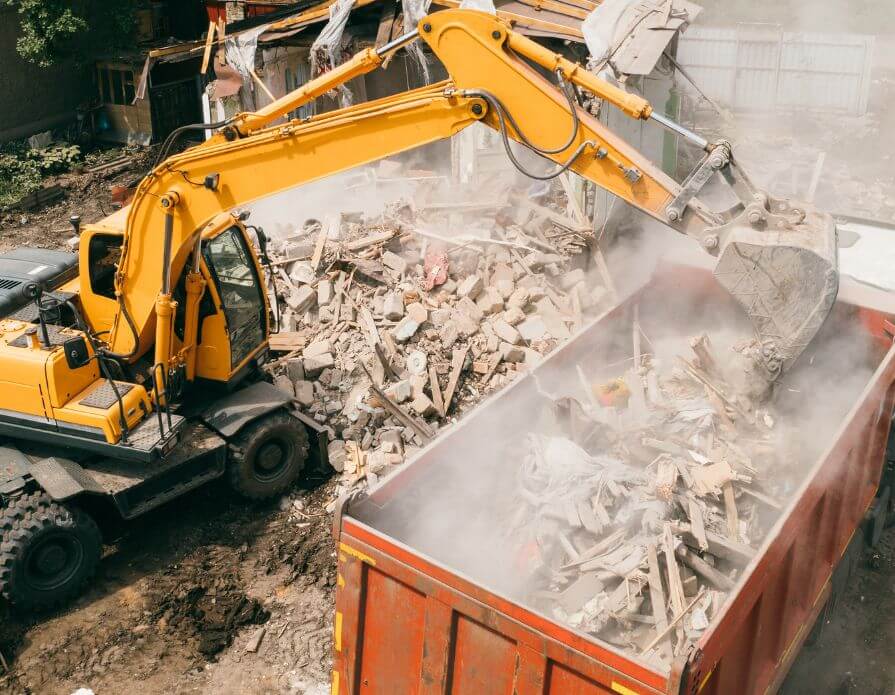
Environmental Dangers of Industrial Dust Pollution
Industrial operations support construction, manufacturing, mining, logistics, and energy production. These activities also generate industrial dust pollution, which can pose environmental and employee health risks.
Dust may look like a simple cleaning issue, but fine particles travel beyond property lines. Wind and various material-handling processes can transport pollutants into neighborhoods, waterways, and soil. Keep reading to learn about the dangers and how to mitigate them in your facility.
How Industrial Dust Affects Air Quality
Industrial dust often contains particulate matter, silica, metals, cement particles, combustion byproducts, or chemical residues. Smaller particles pose the greatest concern because the lungs can inhale them deeply, and air currents can carry them long distances.
Business owners should treat dust control as part of broader air pollution and mitigation planning. Strong controls reduce regulatory risk, improve workplace conditions, and support cleaner local air.
Environmental Risks Beyond the Worksite
Dust does not remain suspended forever. Particles settle onto soil, vegetation, storm drains, and surface water, where contaminants can affect local plant and animal life and urban infrastructure.
Common environmental impacts include:
- Reduced air quality near industrial corridors and construction zones
- Soil contamination from metals, chemicals, and cementitious materials
- Stormwater pollution when dust enters drains, ditches, and waterways
- Lower plant health when particles coat leaves and limit normal growth
These impacts matter for companies with sustainability commitments. A facility can invest in energy efficiency and waste reduction, yet still harm local environmental quality through uncontrolled dust.
Construction And Demolition Concerns
Construction, renovation, and demolition projects can create intense dust spikes over short periods. Some of the industrial processes that can contribute to particulate emission increases include:
- Saw cutting
- Jackhammering
- Hauling debris
- Crushing materials
- Concrete removal
Project teams should evaluate methods that reduce airborne dust before work begins. For example, comparing hydrodemolition with traditional concrete removal can help teams understand how different removal methods affect dust, vibration, debris handling, and site conditions.
Why Dust Control Supports Sustainability Goals
Dust control supports environmental and governance priorities by linking operational performance to public health and community impact. Cleaner worksites also improve visibility and protect equipment.
Companies can improve outcomes by using water suppression, enclosed conveyors, covered storage, local exhaust ventilation, wheel washing, paved traffic routes, and regular monitoring. Managers should also train employees to identify dust sources early and report control failures before conditions worsen.
Building Cleaner Industrial Practices
Effective dust management starts with prevention. Businesses should identify high-dust tasks, choose lower-emission methods, and document control procedures.
Customers and nearby residents increasingly expect companies to reduce visible and invisible pollution. Strong dust control helps businesses operate responsibly while protecting air, water, soil, and community health from industrial dust pollution. Businesses should understand the environmental risks posed by industrial dust and implement mitigation strategies to minimize pollution.