

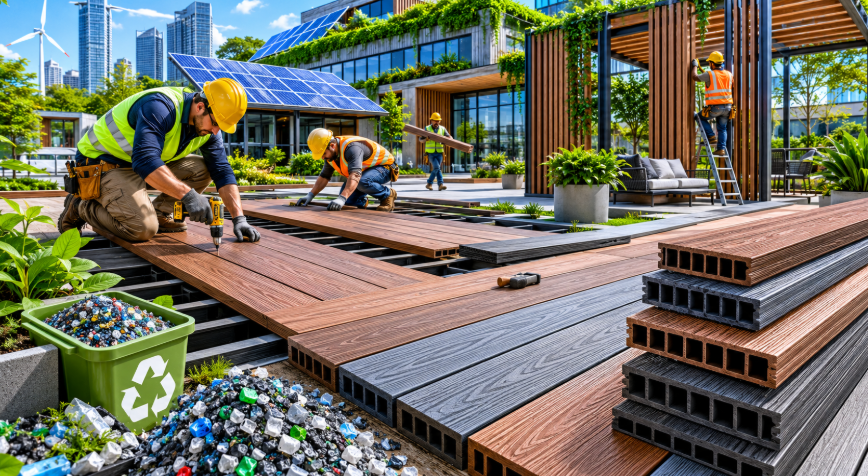
How Recycled Plastic Lumber Is Changing Green Construction
As climate concerns continue to influence industries worldwide, the construction sector is under increasing pressure to adopt sustainable materials and environmentally responsible practices. Traditional construction methods often rely heavily on timber, concrete, and steel, materials associated with resource depletion, high carbon emissions, and long-term environmental costs.
As a result, builders, architects, and developers are actively exploring greener alternatives that align with modern sustainability goals.
One material gaining considerable attention is recycled plastic lumber. Designed to offer durability, longevity, and environmental benefits, this innovative building material is helping reshape the future of green construction.
What Is Recycled Plastic Lumber?
Recycled plastic lumber is a manufactured building material made from post-consumer and post-industrial plastic waste. Instead of ending up in landfills or oceans, discarded plastics such as milk jugs, detergent bottles, packaging films, and plastic containers are collected, processed, and transformed into durable construction products.
Unlike traditional wood, recycled plastic lumber does not require harvesting trees. This makes it an attractive solution for environmentally conscious projects seeking to reduce their ecological footprint.
How It Is Manufactured
The manufacturing process typically involves sorting, cleaning, shredding, and melting recycled plastics before molding them into boards and structural profiles. Some products contain a mix of recycled materials, while others are engineered for enhanced strength, UV resistance, and improved durability.
The result is a versatile material that mimics the appearance and function of wood while offering added resistance to environmental damage.
Reducing Plastic Waste Through Construction
One of the most important ways recycled plastic lumber is changing green construction is by reducing waste. Plastic pollution remains one of the biggest environmental challenges globally, with millions of tons of plastic waste generated annually.
Turning Waste Into Useful Materials
Rather than contributing to overflowing landfills, recycled plastic waste can be repurposed into construction materials with long service lives. This transformation supports the concept of a circular economy, where materials are reused rather than discarded.
By integrating recycled plastic lumber into construction projects, builders help reduce demand for virgin plastics while giving discarded materials a second life.
Supporting Sustainability Goals
Green construction aims to reduce waste throughout the building process. Choosing recycled materials helps developers meet sustainability standards while reducing environmental impact during sourcing and installation.
As environmental regulations become stricter, materials that support waste reduction are becoming increasingly valuable in both residential and commercial construction.
Why Recycled Plastic Lumber Is Becoming Popular
The growing demand for recycled plastic lumber is not only tied to environmental concerns. Its practical performance advantages also make it highly appealing for modern construction projects.
Resistance to Moisture and Rot
Traditional wood is vulnerable to moisture damage, rot, mold, and decay over time. Outdoor environments can accelerate deterioration, especially in regions with heavy rainfall or humidity.
Recycled plastic lumber offers strong resistance to water exposure, making it ideal for outdoor applications where wood may fail prematurely.
Protection Against Insects and Damage
Wooden structures are often susceptible to termites, insects, and splintering. Many wooden products require chemical treatments to protect against damage, adding maintenance costs and raising environmental concerns.
Recycled plastic lumber naturally resists pests without requiring harsh chemical preservatives.
Minimal Maintenance Requirements
One of the biggest advantages of recycled plastic lumber is its low maintenance profile. Traditional wood decks, fences, and outdoor structures often require staining, sealing, or painting to maintain their appearance.
In contrast, recycled plastic lumber generally requires only occasional cleaning, reducing both long-term costs and resource use.
Environmental Benefits of Recycled Plastic Lumber
The environmental impact of building materials extends far beyond installation. Green construction emphasizes long-term sustainability, making durability and lifecycle performance essential considerations.
Reducing Pressure on Forest Resources
Deforestation remains a global concern, especially as demand for wood products increases. By using recycled plastic lumber, builders can reduce dependence on natural timber resources and help preserve forests.
This shift supports responsible material sourcing while promoting conservation efforts.
Longer Lifespan Means Less Waste
A sustainable material should last longer and require fewer replacements. Recycled plastic lumber is known for its durability, often lasting decades in demanding environments.
Because it resists weather damage, moisture, and pests, structures made from recycled plastic lumber generally require fewer repairs and replacements over time.
Fewer Chemical Treatments
Pressure-treated wood often contains chemicals used to resist decay and insects. While effective, these treatments may raise environmental concerns regarding disposal and potential contamination.
Since recycled plastic lumber already naturally resists many environmental threats, chemical treatments are often unnecessary.
Common Uses in Green Construction
Recycled plastic lumber is increasingly being used in a variety of construction and landscaping projects.
Outdoor Decking and Patios
Decks and patios benefit greatly from moisture-resistant materials that require little upkeep. Recycled plastic lumber provides long-lasting performance without frequent repairs.
Public Infrastructure Projects
Cities and municipalities are increasingly using recycled plastic lumber for public benches, boardwalks, playgrounds, fencing, and pedestrian pathways due to its durability and low maintenance.
Landscaping and Marine Applications
Its resistance to water exposure makes recycled plastic lumber especially useful for docks, waterfront projects, retaining walls, and landscaping features.
Challenges to Consider
Despite its advantages, recycled plastic lumber is not perfect. Some products may expand or contract slightly in changing temperatures, and certain structural projects may require additional engineering support.
However, ongoing manufacturing improvements continue to address these limitations, improving performance and expanding application possibilities.
The Future of Green Construction
As sustainability becomes a priority across industries, demand for environmentally friendly building materials is expected to grow. Builders and homeowners increasingly seek materials that balance performance, durability, and environmental responsibility.
Recycled plastic lumber represents an important step toward smarter construction practices by transforming waste into valuable resources while reducing long-term environmental impact.
Conclusion
The construction industry is evolving, and sustainable materials are becoming central to that transformation. By reducing plastic waste, lowering maintenance needs, conserving natural resources, and supporting long-lasting structures, recycled plastic lumber is helping to redefine what green construction looks like in the modern world.
For those exploring durable and eco-conscious building materials, companies like Plastic Lumber Yard continue to expand access to sustainable alternatives for residential, commercial, and public projects.