

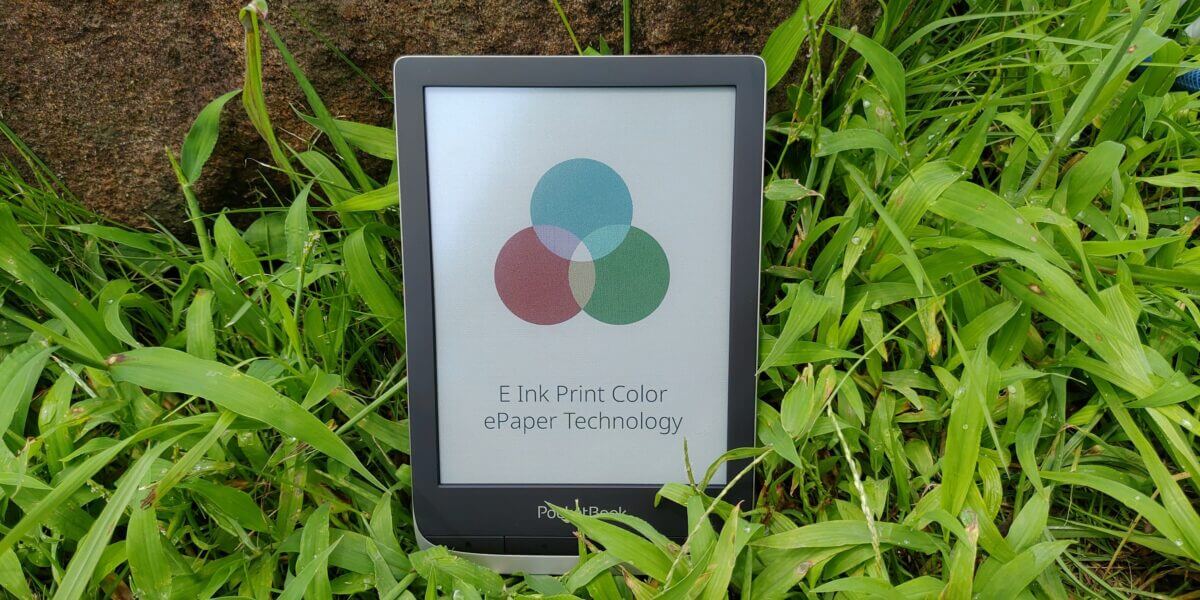
E-Paper Displays: Impacting Modern Store Energy Usage Positively
In an ever-changing retail environment, the concept of sustainability is becoming a requirement rather than a nice-to-have. As companies look to lower operational costs while demonstrating their commitment to environmentally friendly processes, the technology used in displays has been a key focus.
E-paper displays, in particular, have the potential to make a positive impact by offering a more environmentally friendly alternative to traditional digital signage.
For B2B companies looking to utilize sustainable display technology, this is the first of many parts to a sustainable solution: https://www.zhsunyco.com/es/product-category/e-ink-screen/. The Zhsunyco model balances visibility with low power consumption, allowing retailers and commercial users to modernize their display communication while minimizing energy use.
What Are E-Paper Displays and Why Are They Beneficial?
The electronic display technology known as E-paper mimics the appearance of traditional paper. E-paper is more energy efficient than other displays, such as LED or LCD, and is easier on the eyes, as it uses ambient light rather than a back-lit display. Images displayed use a special technology to remain visible without consuming energy until they are changed.
This feature enables e-paper displays to deliver value in environments where the content changes infrequently. Suitable applications include electronic shelf labels, menus, signage, and pricing. For large retailers, the potential energy savings can be significant.
In addition to energy efficiency, e-paper displays have superior readability. Unlike traditional digital displays, e-paper displays can be viewed in all lighting conditions, including direct sunlight, without the glare and color washout. The lack of screen flicker and backlighting also improves the customer experience.
In B2B settings such as supermarkets, logistics hubs, and warehouses, e-paper displays provide operational peace of mind and lower maintenance costs. Electronic paper displays are ideal for dispersed systems, as they can operate for months or years on small batteries before needing replacement.
The Positive Effect on Energy and Resource Consumption
One of the most defining features of e-paper signage compared with traditional LCD or LED signage is its energy-saving potential. In contrast to e-paper signage, traditional LED or LCD signage consumes energy to maintain brightness and refresh rate. E-paper displays use energy to refresh content. Once the content is shown, the display can be “frozen” and will not consume energy to maintain it.
Retail chains that need to process and manage thousands of digital signs or price tags: this difference translates into tangible savings. For example, stores that use e-paper price tags can avoid up to 80% more energy than regular electronic displays. When looking at energy savings at the store-chain level, the savings become very meaningful both financially and environmentally.
E-paper’s energy efficiency is just one of the many ways that technology promotes eco-friendliness. Some e-paper displays are made from recyclable materials, and because they can last longer, they generate less e-waste.
Also, because many e-paper displays can be updated remotely, businesses can eliminate paper signage, thus avoiding the expense of paper and the emissions associated with its production and movement through the supply chain.
Using Zhsunyco e-paper displays is environmentally friendly and offers e-paper sustainable innovation. These displays can be seen as entrepreneurial citizenship. They fulfill the growing entrepreneurial need to address the social responsibility of providing sustainable innovation and affordability.
Integration of Smart Displays and Retail Efficiency
Apart from being energy efficient, e-paper displays are also smart. They can be integrated with smart wireless communication technologies such as Wi-Fi, Bluetooth, or NFC and updated remotely via a central management system. This feature optimizes the elimination of manual tasks associated with in-store signage updates and price changes.
Consider a retail company with a large number of SKUs. Such a company can update product information across all retail locations within minutes. Details regarding pricing, promotions, or inventory can be updated, and changes are pushed to all e-paper labels. Consequently, human error is minimized, and the time spent on updates is reduced, all while maintaining pricing sync and accuracy across stores.
Furthermore, since e-paper consumes low power, it can be integrated with IIoT (Industrial Internet of Things) applications. Numerous organizations incorporate e-paper with IIoT in smart retail ecosystems, where connected sensors, data processing, and wireless technologies are used to streamline everyday workflows.
Think about a dry goods section of a store where e-paper labels change to only show temperature-sensitive products, or a storage unit that shows the current inventory level without any hard wiring. These scenarios exemplify how e-paper technology is making data-driven, more environmentally friendly automation accessible in commercial spaces.
B2B companies benefit greatly from improved productivity, increased system efficiency, and reduced maintenance and unscheduled downtime when adopting solutions such as Zhsunyco e-paper displays.
Cultivating a Trustworthy Brand Image Through Innovation
Sustainability is at the forefront of B2B relationships today. Businesses are no longer evaluated solely on their financial performance but on their social and environmental impact. Implementing energy-saving innovations, such as e-paper displays, reinforces a company’s brand and helps meet international sustainability targets.
Visual communication tools in retail and corporate settings positively impact brand perception. E-paper signage closely resembles paper and offers soft contrast, making it aesthetically pleasing for most businesses. E-paper is more sophisticated than LED panels, which are bright and energy-consuming. It is also gentler and more energy-efficient, which helps reinforce the brand image as eco-friendly and innovative.
Furthermore, e-paper systems are most effective in corporate environments. Reducing electricity consumption, e-paper use, and other supplies, and reducing overall waste are all positive accomplishments of a company that can be cited in ESG reports and communicated to stakeholders.
Designating themselves as technology innovators, businesses also position themselves as holders of environmental management responsibility when using e-paper technology from Zhsunyco. This upgraded technology strengthens the company’s brand and is instrumental in attracting and retaining partners and customers who emphasize sustainability in their business operations.
Future Prospects: The Growing Role of E-Paper in B2B Environments
As more businesses are investing in greener technology, e-paper is expected to become more prevalent in B2B ecosystems beyond retail. E-paper is beginning to be integrated into digital signage, logistics displays, and smart meeting room systems in industrial, transportation, and office facilities.
E-paper is being tested and used in digital signage and smart meeting room systems in transport and office facilities. E-paper is beginning to be integrated into digital signage, smart meeting rooms, and logistics in industrial, transport, and office facilities.
The expansion of faster refresh rates and advanced color e-paper technologies means ever-changing modern e-paper technologies. Rich-color e-paper graphics are great for promotional graphics, dashboards, and wayfinding applications. Flexible, ultra-thin e-paper sheets may soon allow creative installations that merge digital communication with physical architecture.
At the speed of IoT adoption, e-paper will integrate seamlessly into connected ecosystems. By merging cloud-based content management with AI automation, businesses will be able to update, monitor, and analyze their display networks with little to no human intervention. E-paper integrates perfectly with the circular economy model.
Its durability, energy efficiency, and low maintenance needs make it suitable for traditional signage replacements in virtually all sectors. For businesses investing in systems that will be economically and strategically valuable in the long term, infrastructure that integrates these technologies will solidify brand equity.
Zhsunyco has continued to bolster its market position by providing a range of e-paper display solutions tailored for commercial and industrial applications. Their innovations exemplify the use of technological advancements to enhance operational efficiency and environmental stewardship—an equilibrium that defines the future of intelligent retail and business communication.
Conclusion
With modern retailers and B2B enterprises continually seeking ways to reduce energy consumption while delivering high-impact visuals, e-paper displays represent a viable and meaningful solution. The combination of ultra-low power usage, operational flexibility, and visual clarity provides the optimum solution for the ongoing digital transformation of businesses in an environmentally responsible manner.
E-paper’s ability to display the same information repeatedly without drawing power makes it ideal for signage, repricing, and product labeling. For retailers and commercial enterprises with multiple locations, this translates to lower operating costs and progress towards achieving sustainability goals.
Zhsunyco’s innovative solutions enable businesses to modernize their communications while enhancing their compliance with the world’s emerging environmental standards. The innovation in digital signage of the future will not only be responsible but also led by e-paper displays, providing the ideal solution to the dual challenge.