


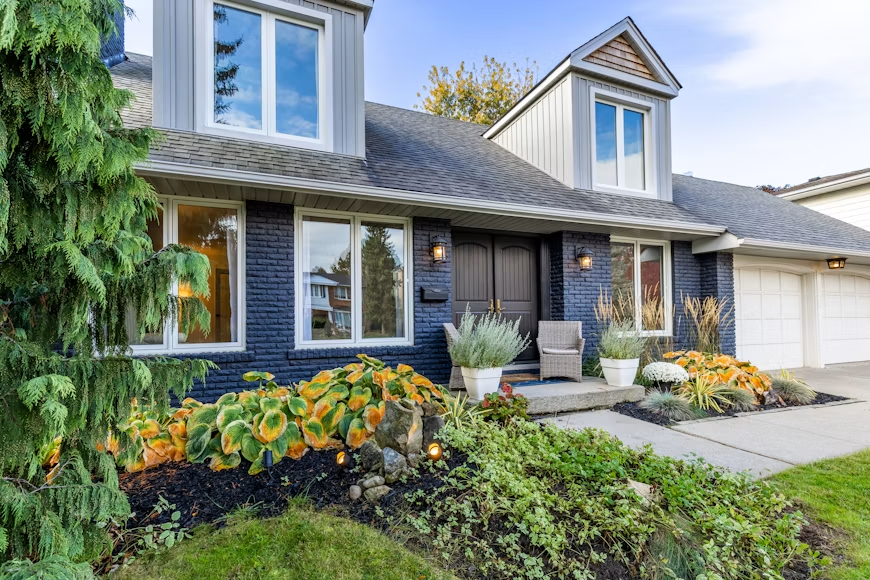
Sustainable Home Improvements That Can Pay Off Beyond Curb Appeal
As homeowners balance necessary upkeep with discretionary upgrades, the focus on home improvement remains steady. Another emerging trend is sustainable upgrades. According to Yahoo Finance, almost 60% of Americans consider sustainability a major factor when looking into home upgrades.
In fact, 58% say that sustainability was either very important or extremely important in their decision-making process for these upgrades.
A sustainable approach can help you connect your home improvement goals with choices that deliver practical benefits over time. A balanced approach to home improvement can help you look beyond routine maintenance.
It considers upgrades that improve how your home looks and functions. At the same time, ones that support sustainability can help you reduce your home’s environmental footprint.
Appearance is only one part of a worthwhile renovation. You should also consider how an upgrade could affect your home’s environmental footprint over time. A balance between style and sustainability designs a home that brings you joy today.
This article explores sustainable home improvements that offer benefits beyond mere curb appeal.
Fix the Problems That May Cause Wastage
Small problems around your home can be easy to overlook when they seem harmless. You may notice a minor leak, slow drainage, or an outdated fixture, but postpone the repair because it doesn’t seem urgent.
However, plumbing product suppliers at 24hr.supply explain that a damaged or clogged sink trap can cause odors, leaks, and slow drainage.
Regularly checking faucets, supply lines, garbage disposals, and under-sink connections can help keep your kitchen plumbing working properly. It can also prevent hidden water damage. It is also crucial to identify and address serious kitchen sink issues before a disaster strikes.
Watch for unusual drainage and dripping taps before they start to disrupt your daily life. Fixing these less visible problems may not dramatically change your home’s appearance. However, it can improve safety, comfort, and functionality while helping you avoid water wastage.
Paying attention to waste-inducing problems also helps you do your bit for the environment. At the same time, these steps make your home a better place. When you invest in what your home needs beneath the surface, you create lasting value that goes beyond curb appeal.
Upgrade Spaces That Are Used Most Frequently
When you are deciding where to spend your home improvement budget, start with the spaces you use every day. Kitchens, bathrooms, entryways, hallways, and other high-traffic areas can benefit greatly from practical upgrades.
Instead of choosing improvements only because they make a room look newer, consider how each change can make your daily routines easier. Also, think about whether the upgrade can help you use energy, water, and materials more efficiently.
For example, consider replacing a P-trap in your kitchen. This simple fix can clear up clogged pipes and enhance wastewater management. If you are not a plumbing expert, you may wonder why P-traps are used in plumbing.
A P-trap is a curved plumbing fitting that retains water after a fixture has drained. This water acts as a barrier, preventing sewer gases from coming back up into your home.
Lighting is another upgrade that makes your kitchen appealing and eco-friendly. Thomas Borcherding, a professional kitchen designer, explains, “Simply changing out your kitchen’s lighting fixtures can take years off of your kitchen and is minimally invasive.”
Besides such small upgrades, invest in better storage, improved lighting, durable surfaces, and more convenient layouts. You can also focus on upgrades that last for years and require minimal upkeep. This can reduce material waste over the life of the renovation.
Improve Your Home’s Energy Efficiency
Improving your home’s energy efficiency can be a practical way to make your living space more eco-friendly. It also helps keep your daily expenses under control.
Start with insulation to maintain indoor temperatures and energy-efficient windows that reduce unwanted heat transfer. The National Association of Realtors states that small adjustments can lead to significant savings.
Consider switching to LED lightbulbs. It’s also a smart move to seal any air leaks around your doors and windows, adjust your thermostat, and unplug electronics that you’re not using. Every little bit helps. These improvements may require an initial investment, but they can support more efficient energy use over time.
You can also consider upgrading your heating, ventilation, and air conditioning system if it is outdated or requires frequent repairs. A more efficient HVAC system can maintain comfortable indoor temperatures without using excessive energy.
Together, these upgrades can help reduce ongoing utility expenses while creating a more consistent indoor environment. Moreover, you can make improvements that support your household budget and provide benefits year-round.
Choose Improvements That Reduce Future Maintenance
According to the Cameron Journal, every home needs some maintenance. That’s just part of owning a place. As a homeowner, you’ll have to keep up with certain tasks. Some materials and renovations can make life easier, while others swap one chore for another. Homeowners should focus on durable materials that help prevent issues down the line.
When you plan a renovation, think about how much time and money an improvement will require after installation. Choosing durable materials can help your home withstand daily wear and reduce the need for frequent repairs or replacements. This is also a sustainability consideration. Extending useful product longevity means fewer materials need to be discarded and replaced.
It may be tempting to choose the cheapest option, but spending more thoughtfully upfront can provide better value over time. Easy-to-maintain fixtures, durable flooring, and quality finishes can help you avoid repeated repair expenses. Rather than treating every renovation as an opportunity to replace something that still works, consider whether upgrading an existing feature could extend its useful life.
FAQs
What home improvements are the most eco-friendly?
Eco-friendly improvements include better insulation, energy-efficient windows, solar panels, efficient appliances, LED lighting, low-flow plumbing fixtures, and durable materials. These upgrades can reduce energy and water consumption while improving comfort. Choosing locally sourced or recycled materials can also lower environmental impact and support a more sustainable home over time.
Should homeowners prioritize sustainability when renovating?
Yes, prioritizing sustainability can make renovations more practical in the long run. Energy-efficient systems, durable materials, water-saving fixtures, and better insulation can reduce resource use and ongoing expenses. Homeowners can also focus on improvements that fit their budget and lifestyle, making sustainability a realistic part of the renovation process.
Which home improvements should be completed before selling a property?
Before selling, focus on improvements that make your home feel clean, functional, and well-maintained. Address visible repairs, update worn fixtures, refresh paint, improve lighting, and fix plumbing or electrical concerns. Kitchen and bathroom upgrades can also help. Prioritize practical changes that create a strong impression without overspending.
Key Takeaways
| Home Improvement | Main Sustainability Benefit | Long-Term Benefit |
| Fix leaks & plumbing issues | Reduces water waste | Prevents damage and costly repairs |
| Install LED lighting | Uses less energy | Lower electricity consumption |
| Improve insulation | Reduces heating/cooling demand | Greater indoor comfort |
| Upgrade windows | Limits heat transfer | Better energy efficiency |
| Choose durable materials | Reduces replacement waste | Less maintenance over time |
| Install water-saving fixtures | Reduces water consumption | Potentially lower utility costs |
A thoughtful renovation is not about making the biggest change or following every new design trend. It is about understanding what your home needs and making choices that are good for the environment.
When you approach each project with purpose, your investment can bring greater satisfaction and confidence in your home. Even modest decisions can shape how your space feels and functions. They can give you more reasons to enjoy where you live while knowing that you are doing your bit.