

Smarter Ways Cities Can Stretch Existing Water Supplies
When water gets scarce, the first response usually focuses on using less at home. Shorter showers help, but cities control much larger parts of the system before water ever reaches your faucet.
The first step is to shift the conversation from simple conservation to better management. Cities can go further by protecting the water already moving through their systems and finding useful second lives for water that would otherwise disappear down a drain. Here are smarter ways cities can stretch existing water supplies.
Find Leaks Before They Become Major Losses
A city might treat millions of gallons of water, then lose part of that supply underground before anyone uses it. Aging pipes develop cracks, and small leaks sometimes continue for months without showing up as dramatic street flooding.
Treated water already carries an environmental cost. Utilities use energy to pump it and clean it before sending it through the network. When the water leaks away, those resources go with it.
Modern leak detection gives utilities a better chance to catch trouble earlier. Acoustic equipment also helps technicians narrow down where water escapes without digging up an entire street.
For drought-prone cities, that approach sometimes makes more sense than searching immediately for a new source.
Give Greywater a Second Job
Plenty of household water leaves a building long before it becomes truly useless. Water from showers and bathroom sinks, for example, still has value for certain non-drinking purposes after proper treatment.
That is where greywater reuse comes in.
The benefits of greywater systems become easier to understand when you consider how much treated drinking water cities use for jobs that do not require drinking-water quality. Irrigation offers one opportunity. Some building systems also reuse treated greywater for toilet flushing.
Make Irrigation Smarter
Urban landscaping drinks a surprising amount of water, especially in hot climates. The problem grows when irrigation runs on a fixed schedule regardless of weather. A sprinkler doesn’t know rain fell overnight unless someone or something tells it.
Smart irrigation systems use weather information or soil conditions to adjust watering. That means a park does not receive the same amount of water after a storm as it would during a dry week.
Cities also get better results when they choose plants suited to local conditions. A landscape built around the regional climate needs less help surviving summer.
Capture Rain Where It Falls
Rainwater races off roofs and pavement quickly in a city. Once it enters a storm drain, communities lose an opportunity to put some of it to work nearby. Cisterns at public buildings can collect roof runoff for later use. Parks also give planners room to hold stormwater temporarily instead of sending all of it straight into drainage systems.
Useful urban rainwater projects might include:
- Cisterns at schools and municipal buildings
- Rain gardens near paved areas
- Storage beneath public spaces
- Irrigation systems fed by captured runoff
- Landscaped areas designed to absorb stormwater
The best approach depends on local rainfall and available space. Even so, keeping water close to where it falls gives cities more options than letting every storm disappear into a pipe.
Protect the Water Already in Storage
Water storage rarely gets much attention until a tank develops a problem. Yet cities depend on storage to balance demand and keep treated water ready for use. Older tanks need regular inspection because leaks and deteriorating interior surfaces can develop over time, and replacing the entire structure is not always the greenest answer.
Considering the environmental impacts of tank liners shows why extending existing infrastructure can be a better alternative. A suitable liner separates stored water from an aging tank surface while letting the city keep using the structure longer.
Replacement uses new materials and creates demolition waste. Repairing a sound structure keeps existing resources in service instead.
Recycle Wastewater Instead of Losing It
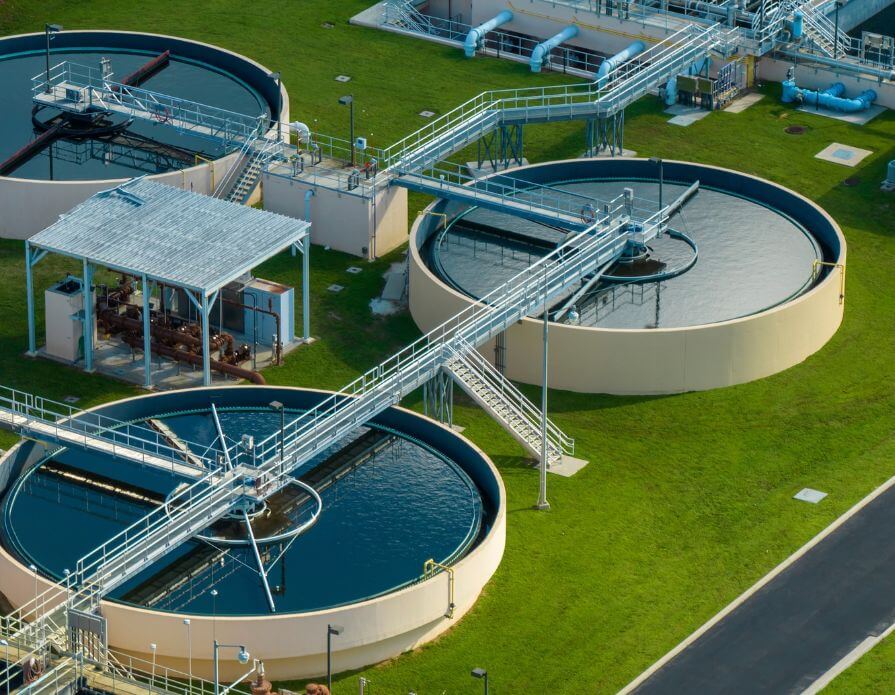
Wastewater sounds like the end of the line. In water-stressed regions, though, advanced treatment turns it into another resource. Cities already treat sewage before releasing it back into the environment. More advanced systems take treatment further, so communities can reuse the water for industrial needs or irrigation.
Some places also treat recycled water to much higher standards before returning it to drinking-water systems through carefully managed processes. Water already moves through natural cycles repeatedly, so modern recycling simply shortens that journey and adds controlled treatment along the way.
Use Data To See Where Water Goes
You cannot manage water well if you barely know where it disappears. Older utility systems sometimes rely on broad estimates between the amount of water entering the network and what customers eventually use. Digital meters give utilities a clearer picture of unusual consumption.
A sudden jump at one property might point to a leak, while patterns across a neighborhood might suggest a larger system issue. Residents benefit too. With more detailed usage information, people can spot changes in their own homes more easily.
Build Water Resilience Before Drought Arrives
Cities get into trouble when they treat water shortages as temporary emergencies instead of long-term planning problems; waiting until reservoirs drop leaves the city with fewer good options. By then, officials might rely on restrictions because infrastructure changes take time.
A stronger strategy starts years earlier. Cities repair leaks while supplies remain stable. They can also update building rules to support reuse. This kind of preparation matters across very different climates. A city facing drought needs resilience, but so does a fast-growing city where demand rises every year.
Stretching existing supply gives communities more time to adapt without immediately searching for expensive new water sources.
Make Every Gallon Work Harder
Water conservation does not start and end at the kitchen faucet. Some of the biggest opportunities sit inside the pipes, buildings, storage tanks, and public spaces that most residents rarely think about.
When you look at smarter ways cities can stretch existing water supplies, you start to see value in water that used to slip away unnoticed. A repaired pipe keeps treated water in the system. Greywater takes on another useful job.
None of these ideas solves water scarcity on its own. Together, they help cities waste less of what they already have.