

How Environmental Stressors Compound Renewable Energy Challenges
Solar farms, wind turbines, and hydropower plants promise a cleaner grid, but the weather they were built to withstand is shifting in ways that make long-term planning harder. Heat, storms, drought, and corrosion can each chip away at performance, and together they pose real environmental stressors for renewable infrastructure.
Understanding how these pressures compound and the engineering responses that counter them is essential to keeping renewable energy challenges from stalling progress toward a lower-carbon grid.
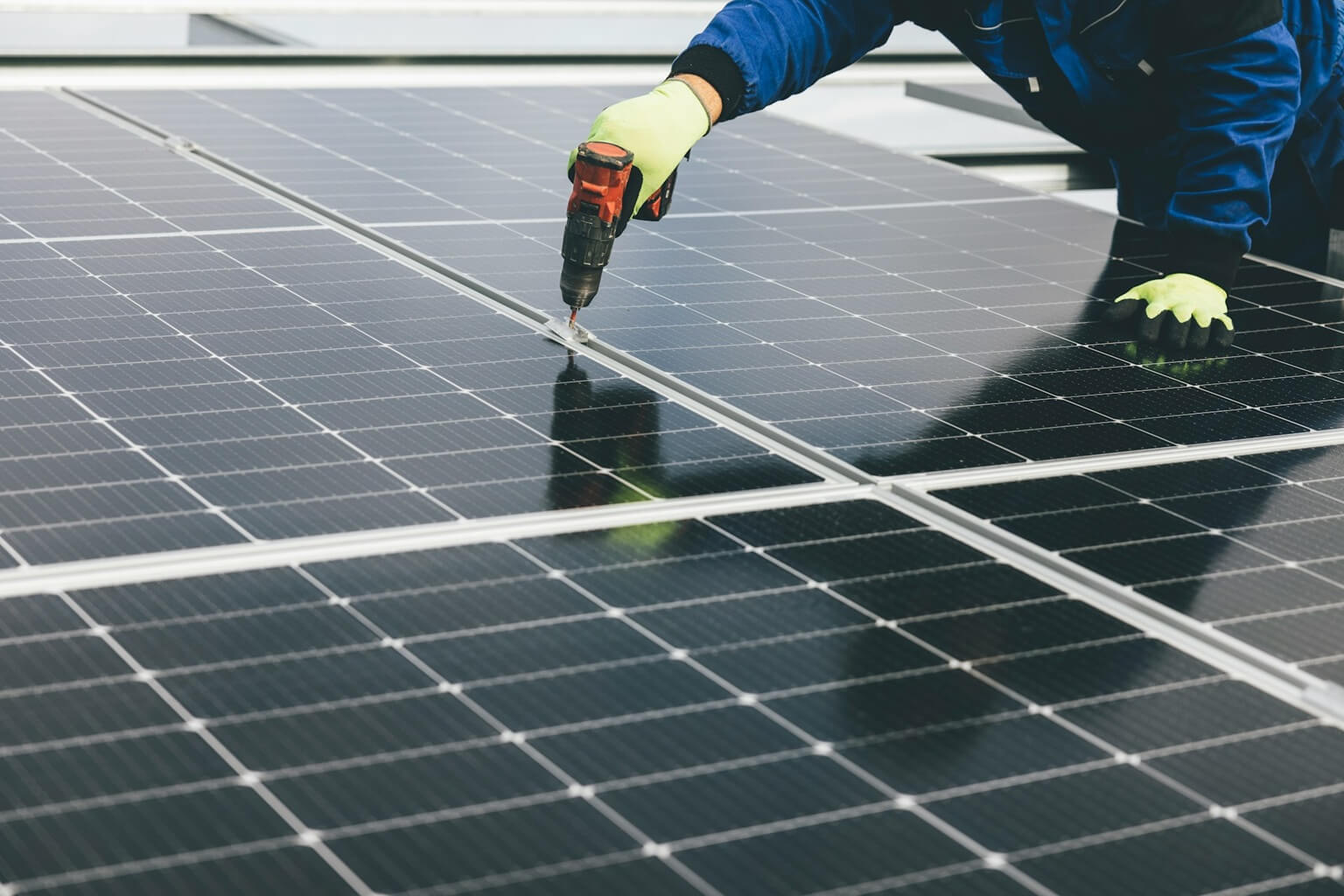
Extreme Heat Saps Solar Panel Performance
Solar panels tend to convert sunlight into electricity more efficiently in cool conditions than hot ones. As global temperatures climb, sustained heat exposure can accelerate panel degradation and shorten equipment lifespans, according to recent modeling of rooftop solar performance under a warming climate.
This kind of gradual wear can raise the long-term cost of the electricity a system produces, even when daily output looks steady.
Wildfire smoke and heavy cloud cover can further compound the issue by blocking the radiation panels need, adding another environmental stressor to the mix.
Storms and High Winds Put Wind Turbines at Risk
Wind energy faces a related paradox. The same storms that bring strong gusts can also force turbines offline. Most turbines are designed to shut down automatically once wind speeds climb past a certain threshold. While this protects the equipment, it also idles it during events that might otherwise generate abundant power.
Research on offshore wind resilience suggests ocean wind speeds have been trending upward across much of the world’s coastlines in recent decades. One powerful typhoon in 2024 was strong enough to collapse several turbines at a wind farm and cause millions of dollars in damage.
Icing and prolonged low-wind stretches present separate, quieter environmental stressors that can chip away at generation totals over time.
Moisture, Salt and Corrosion Undermine Structural Integrity
Beyond weather events themselves, the materials that make up renewable energy infrastructure face a slower, quieter threat: corrosion. Wind turbines, solar racking systems and offshore installations often combine multiple metals, such as aluminum panels fastened with steel or stainless-steel hardware.
When those mixed-metal assemblies sit in humid, saline, or chemically exposed environments, they can become vulnerable to galvanic corrosion, a reaction that occurs when dissimilar metals contact each other in the presence of moisture, salt, or chemicals.
Left unchecked, galvanic corrosion can progress faster than ordinary rust, gradually weakening structural integrity and compromising critical components like fasteners and mounting brackets.
Over time, this can lead to premature equipment failure, unplanned downtime, and costly repairs that erode the long-term return on renewable energy investments.
Coastal wind farms and installations near industrial sites tend to face the highest exposure, which is why corrosion resistance deserves attention as a design priority.
Drought Limits Hydropower Output
Hydropower remains the largest single renewable source worldwide, but it’s also among the most exposed to heat and drought. Early snowmelt can reduce the water supply available later in the year, and extended dry periods can lower reservoir levels.
The Federal Energy Regulatory Commission has flagged widespread drought and low snowpack as a risk to hydropower generation in several U.S. regions heading into recent summers. This is a reminder that even a well-established environmental stressor like drought can leave consistent generation harder to count on.
Choosing Resilient Materials and Coatings
Fortunately, engineers have effective tools to counter these pressures. Protective coatings remain one of the most direct defenses against corrosion, creating a barrier that isolates dissimilar metals from each other and from moisture or salt exposure.
Coating stainless-steel fasteners used in aluminum assemblies, or applying zinc coatings with aluminum-rich topcoats on steel components, can slow or stop galvanic reactions before they compromise structural integrity.
Material selection matters as much as coatings. Choosing corrosion-resistant alloys, weatherproof housings, and UV-stable polymers up front tends to reduce the need for costly retrofits later.
For solar installations, heat-tolerant panel materials and improved cooling designs can help offset some of the efficiency losses that come with extreme temperature swings.
Siting and Diversifying Renewable Portfolios
Smart planning can reduce exposure before construction begins. Siting turbines and panels away from the highest-risk flood zones, wildfire corridors or extreme wind paths tends to lower long-term maintenance costs and downtime.
Careful site selection can also help developers avoid sensitive habitats and limit land-use conflict through nature-positive siting principles that recent industry guidance increasingly recommends for large-scale renewable projects.
Diversifying energy portfolios across solar, wind, hydropower and geothermal also builds resilience against renewable energy challenges. Because each source responds differently to heat, storms and drought, a balanced mix can help utilities maintain output even when one resource underperforms.
Geothermal, for instance, remains largely unaffected by surface weather patterns, offering a stabilizing counterweight to more exposed sources.
Using Data to Predict and Prevent Failures
Predictive maintenance tools now let operators spot early warning signs before they cause failures. Sensors monitoring vibration, temperature and corrosion indicators can flag a weakening turbine bearing or a degrading coating well before it leads to downtime.
Pairing this kind of data with weather forecasting allows operators to power down equipment ahead of severe storms and restart it quickly once conditions clear. This is an approach that recent resilience guidance for power systems points to as one of the more cost-effective ways to limit damage and lost generation.
Grid infrastructure benefits from the same mindset, since rising temperatures can strain transformers and other equipment even as they push electricity demand higher.
Building a Sturdier Renewable Future
Environmental stressors are here to stay, but smarter engineering keeps them from dictating the pace of the renewable transition.
By pairing durable materials and protective coatings with smart siting, portfolio diversification, and predictive maintenance, developers can build renewable infrastructure that holds up under real-world conditions and eases some of today’s toughest renewable energy challenges.
The technology to generate clean power is here. The next task is making sure it survives long enough to deliver on that promise.
Lou Farrell
Lou is the Senior Editor of sustainability and technology for Revolutionized Magazine. He has over 4 years of experience crafting compelling articles on a variety of topics, from energy efficiency trends to eco-friendly construction. He loves to write, and is passionate about sharing his knowledge with others.