

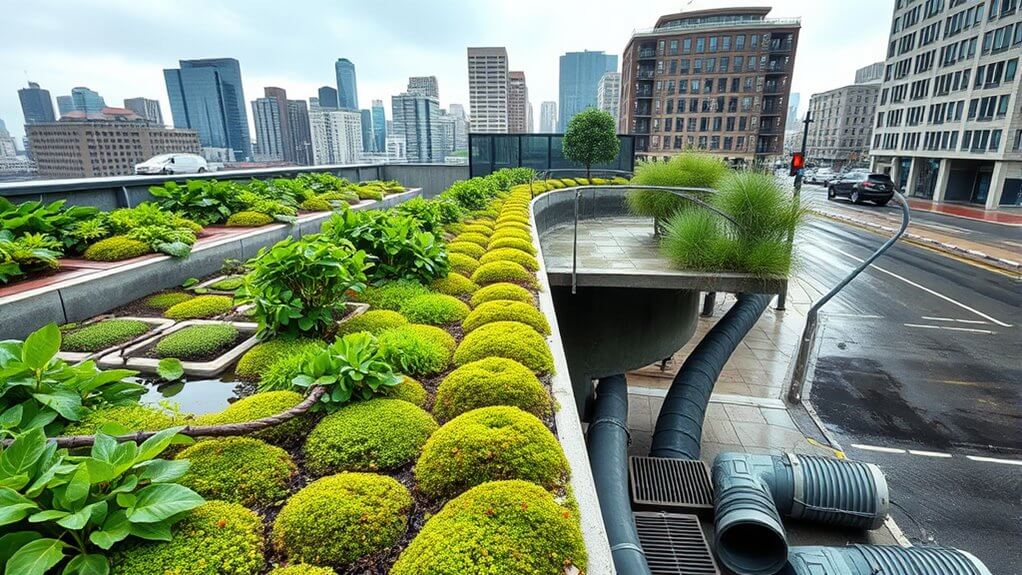
How Florida Can Use Green Infrastructure to Reduce Flood Risk
Florida has always lived with water. Heavy rainfall, flat terrain, wetlands, rivers, and long coastlines are part of what makes the state unique. They also create a difficult challenge for fast-growing cities: where does all that water go when a major storm arrives?
Traditional drainage systems remain essential, but pipes, culverts, canals, and detention facilities cannot solve every stormwater problem alone. As development adds more roofs, roads, parking lots, and other impervious surfaces, rainwater reaches drainage systems faster and in greater volumes.
Green infrastructure offers another layer of protection. Instead of treating rainfall only as something to move away as quickly as possible, it uses soil, plants, open space, and permeable surfaces to capture, slow, filter, and absorb water closer to where it falls.
For Florida communities, that shift can make stormwater systems more resilient while supporting greener urban growth.
Why Green Infrastructure Matters in Florida
Urban flooding often becomes worse when natural land is replaced by hard surfaces. Rain that once soaked into soil or collected across wetlands can instead run rapidly over pavement and into streets and storm drains.
Rain gardens, bioswales, permeable pavement, urban trees, green roofs, restored wetlands, and vegetated detention areas can help restore some of those lost natural functions.
The Florida Department of Environmental Protection describes green stormwater infrastructure as an approach that can supplement or, in some settings, replace conventional gray infrastructure by retaining rainfall closer to its source. The agency also notes that green and gray systems can work together when larger storms require additional drainage capacity.
That combination is especially useful in Florida. Green infrastructure is not a replacement for every pipe, pond, or flood-control project. Its value comes from creating a more distributed system in which smaller interventions reduce pressure on larger drainage infrastructure.
Design Streets to Hold and Filter More Water
Streets occupy a significant share of developed land, making them an important part of flood-resilience planning.
Bioswales and vegetated curb extensions can receive runoff from nearby pavement. Instead of sending all rainfall immediately into an inlet, these planted areas temporarily hold water, filter pollutants, and encourage infiltration where local conditions allow.
Permeable pavement can serve a similar purpose in parking areas, sidewalks, plazas, and lower-traffic spaces. Water passes through the surface and enters a designed storage or infiltration layer below.
The U.S. Environmental Protection Agency notes that rain gardens, bioswales, and permeable pavement can reduce water pooling in streets and help keep stormwater from overwhelming pipe networks during localized flooding.
In Florida, however, site conditions matter. High groundwater, coastal exposure, soil characteristics, and drainage patterns can all affect which techniques are appropriate.
Protect and Restore Natural Water Storage
Wetlands, floodplains, ponds, and other low-lying areas can store and slowly release water. When development disconnects these spaces or reduces their capacity, communities may lose part of the landscape’s natural ability to manage rainfall.
Protecting existing wetlands and restoring degraded systems can therefore be part of a broader flood strategy. The same principle applies to floodplains: preserving room for water can reduce the need to force every storm through engineered drainage infrastructure.
This does not mean leaving all flood-prone land untouched. It means understanding natural drainage patterns early enough to decide where development makes sense, where additional storage is needed, and where natural systems should remain part of the solution.
Jacksonville and Orlando Need Green Infrastructure That Fits Local Environmental Conditions
Florida cities share flood challenges, but they do not share identical environmental conditions.
Jacksonville’s river systems, low-lying areas, wetlands, and coastal influence create different design considerations from inland Central Florida. Orlando faces its own combination of intense rainfall, lakes, wetlands, drainage basins, development pressure, and groundwater conditions.
That is why green infrastructure works best when environmental review is integrated with planning and engineering rather than added after a site plan is largely complete. Wetlands, water quality, soils, permitting requirements, drainage pathways, and surrounding land uses can all affect what is feasible.
For public agencies and private developers, experienced environmental engineering services can help identify these constraints early and support solutions that protect natural resources while keeping projects practical.
A rain garden, restored wetland, or infiltration feature is only useful when it fits the hydrology and ecology of the site. Florida needs locally designed green infrastructure, not a one-size-fits-all template.
Build Green and Gray Stormwater Systems Together
The strongest flood-resilience strategies often combine natural processes with conventional engineering.
Green infrastructure can capture rainfall, slow runoff, improve water quality, and reduce peak flows. Traditional systems can then provide the capacity and controlled conveyance needed when rainfall exceeds what smaller green features can manage.
That integrated approach can include detention and retention facilities, drainage networks, floodplain planning, low-impact development, erosion protection, and hydrologic and hydraulic analysis alongside nature-based features.
For larger developments and public infrastructure programs, stormwater & floodplain management services can help connect individual site interventions to the performance of the wider watershed and drainage network.
The goal is not simply to install more green features. It is to place the right features in the right locations and understand how they perform as part of a complete stormwater system.
Create Benefits Beyond Flood Reduction
Green infrastructure can also make Florida communities more livable.
Trees and vegetation provide shade and can help reduce urban heat. Planted stormwater areas can create habitat and improve streetscapes. Better infiltration and filtration can support water quality. Parks designed to temporarily store stormwater can provide recreation during dry weather while serving a flood-management function during storms.
These multiple benefits are especially useful in growing communities where land is limited. A thoughtfully designed green space can manage water while contributing to public space, urban cooling, aesthetics, and biodiversity.
Plan for Water Before the Next Storm
Florida cannot eliminate flood risk, and no single infrastructure approach can protect every community from every storm. But cities can become better at working with water instead of relying only on systems designed to move it away.
The most effective strategy is layered: preserve natural storage, add distributed green infrastructure, maintain and improve conventional drainage, use sound floodplain planning, and design new development around local hydrology from the beginning.
As Florida continues to grow, every new street, neighborhood, commercial site, and public project is an opportunity to decide how rainfall will move through the landscape.
Making that decision earlier, and making more room for nature within the answer, can help Florida build communities that are greener, more resilient, and better prepared for the water that will inevitably come.