

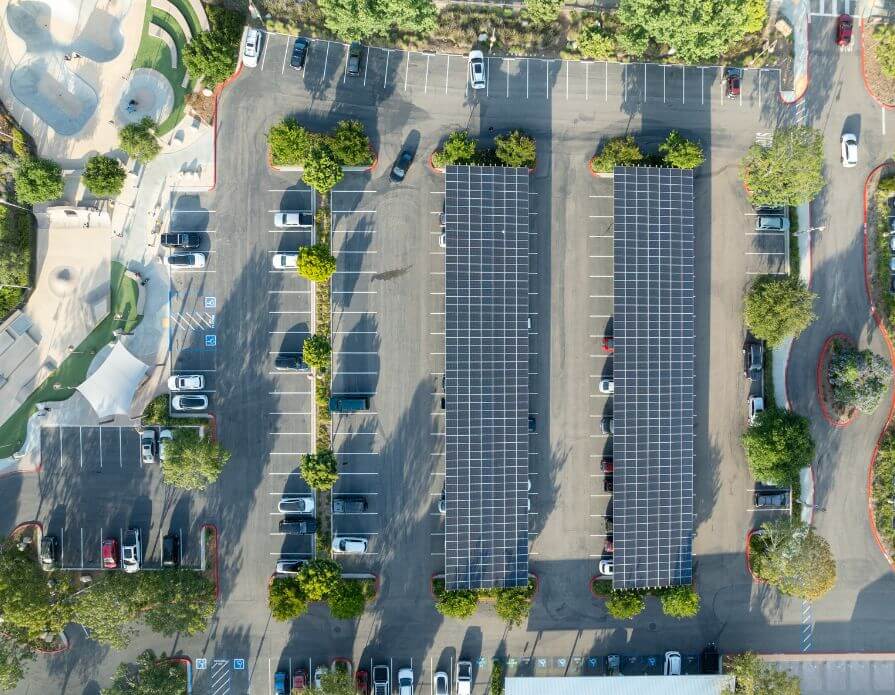
How Parking Lots Can Support Greener Cities
Parking lots occupy valuable space in cities worldwide, yet their potential extends far beyond simply providing a place to leave a vehicle. As communities seek practical ways to reduce their environmental impact, parking areas offer opportunities to support cleaner transportation and use developed land more effectively.
Exploring how parking lots can support greener cities means reconsidering what these familiar spaces could contribute to urban sustainability. From managing stormwater to accommodating electric vehicles, thoughtful improvements can turn ordinary parking areas into more productive parts of the urban environment without requiring cities to develop additional land.
Make Better Use of Existing Urban Space
As cities grow, finding room for new infrastructure becomes increasingly difficult, especially in established neighborhoods where buildings and roads already take up much of the available land. Parking lots offer an opportunity to introduce sustainability improvements without clearing additional green space or expanding development into surrounding natural areas.
Commercial properties, shopping centers, and public facilities already dedicate considerable space to vehicle parking. When property owners incorporate environmental improvements into these existing areas, they can extend the usefulness of land that serves an established purpose.
A parking lot can keep accommodating vehicles while supporting broader sustainability goals.
However, using parking areas more effectively does not necessarily mean preserving every existing parking space. In neighborhoods with strong public transportation and walkable destinations, reducing unnecessary parking capacity can free land for trees, public gathering areas, or other community needs.
The most sustainable choice depends on how residents use the surrounding neighborhood.
Bring Electric Vehicle Charging Into Everyday Destinations
For electric vehicles to become a practical option for more drivers, charging opportunities need to extend beyond private homes and dedicated charging facilities. Workplace and commercial parking areas offer convenient places to recharge while owners go about their day.
Businesses can support cleaner transportation by adding charging equipment to existing parking facilities. As more commercial properties consider installing EV charging stations, decisions about equipment placement and electrical capacity become part of broader property planning.
Growing interest in EV charging stations at commercial properties shows how parking infrastructure can support the transition to electric transportation.
Charging access becomes particularly valuable in communities where many residents live in apartments or other housing without dedicated home charging. Although commercial chargers cannot replace every driver’s need for reliable charging, placing them near frequently visited destinations can make electric vehicle ownership more practical.
Reduce Heat With Trees and Thoughtful Design
Large paved parking areas absorb solar energy all day, creating uncomfortable surface temperatures and intensifying heat in developed neighborhoods. During warmer months, these conditions can make walking across exposed parking lots unpleasant and worsen the broader urban heat island effect.
Introducing trees and planted areas can improve pedestrian conditions while providing environmental benefits beyond shade. Trees intercept sunlight before it reaches pavement, and vegetation cools surrounding air through evapotranspiration. Property owners can incorporate planted islands and shaded pedestrian routes into parking layouts, provided they allow adequate room for healthy root development.
Where planting conditions permit, cities can encourage parking designs that prioritize long-term tree health. Choosing species suited to the local climate and providing sufficient soil volume improves the likelihood that vegetation will thrive. Well-maintained trees can create more comfortable outdoor spaces over time while softening the appearance of extensive paved surfaces.
Manage Rainwater Before It Reaches City Drains
During heavy rainfall, conventional asphalt and concrete parking surfaces prevent much of the water from soaking into the ground. Runoff moves across pavement, collecting pollutants before entering drainage systems or nearby waterways. In heavily developed areas, extensive impervious surfaces can increase the volume of water that stormwater infrastructure must manage.
Permeable pavement offers one potential solution where soil conditions, traffic demands and maintenance resources make it suitable. Unlike conventional paving, properly designed permeable surfaces allow rainfall to pass through openings into underlying aggregate layers. Depending on local conditions, the system may encourage infiltration or temporarily store water before controlled drainage.
Landscaped features can complement these surfaces by capturing runoff from surrounding pavement. Rain gardens and vegetated drainage channels let property owners direct water to areas designed to slow its movement. When cities incorporate such features into parking improvements, they can reduce pressure on drainage infrastructure while introducing vegetation into otherwise heavily paved locations.
Generate Renewable Energy Above Parked Vehicles
Installing panels above parking spaces lets property owners generate energy while shading vehicles beneath them. This arrangement makes productive use of areas that would otherwise be exposed to direct sunlight all day.
Although solar canopies require structural engineering and installation costs, they can deliver long-term benefits when the location and electricity demand justify the investment. Depending on the system design, the electricity can support nearby buildings or EV charging equipment.
As interest in solar installations in urban environments grows, parking facilities present another opportunity to expand renewable energy generation within developed areas.
Make Parking Areas Safer for People on Foot
Although parking lots primarily accommodate vehicles, nearly everyone who uses them eventually becomes a pedestrian. Poorly defined walking routes can create unnecessary conflicts between moving cars and people traveling between parked vehicles and nearby buildings.
Sustainable parking improvements should therefore consider how people move through these spaces. Clearly marked crossings and direct pedestrian paths can make destinations easier to reach without forcing visitors to navigate unpredictable vehicle movements. Accessible routes also deserve attention, particularly where charging equipment or landscaped areas change the original layout.
Give Existing Parking Spaces a More Sustainable Future
Creating greener cities does not require every parking lot to become an elaborate environmental project. Property owners can identify improvements that suit local conditions, existing infrastructure, and the needs of surrounding communities. A shaded pedestrian route or carefully positioned rain garden may offer greater immediate value than an expensive installation with little practical use.
Ultimately, how parking lots can support greener cities depends on recognizing their potential beyond vehicle storage. When cities treat these spaces as part of their wider environmental planning, familiar stretches of pavement can contribute to cleaner transportation and healthier urban neighborhoods. The opportunity lies in making existing land work harder for the communities that depend on it.