

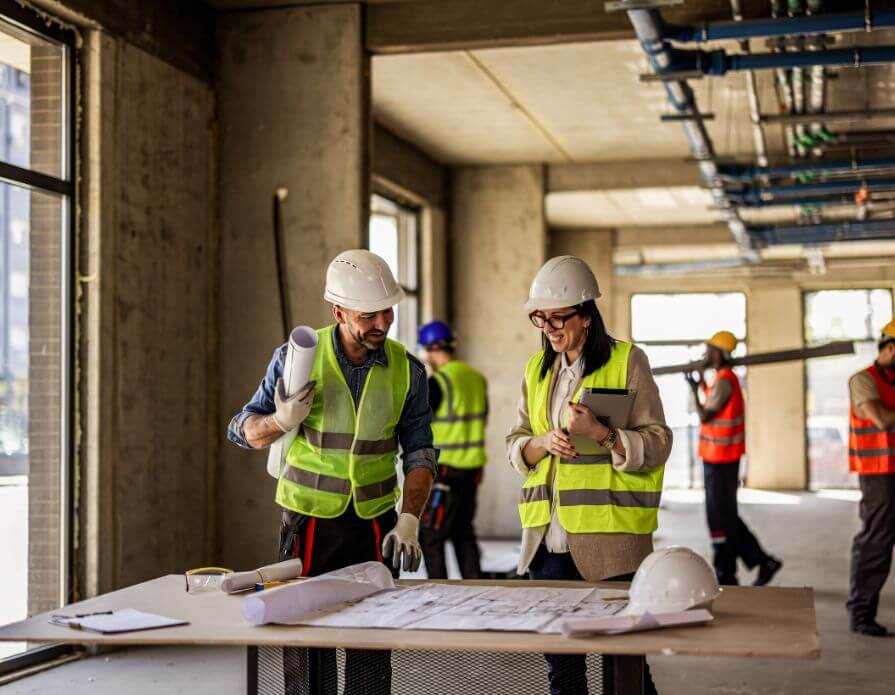
Tips for Improving Safety on Construction Sites
A misplaced tool or a blocked walkway might seem minor until someone gets hurt. On busy construction sites, small oversights can quickly become serious accidents, especially when multiple crews work at once.
Improving sustainable construction site safety can reduce these risks while making daily operations more efficient. Here are tips for consistent safety practices and sustainable work habits that can create a safer construction environment.
Conduct Regular Safety Inspections
Regular inspections let construction managers spot potential hazards before they cause injuries or delays. At the beginning of each shift, check work areas for unsafe conditions, paying particular attention to access routes and temporary structures.
Additional inspections may be necessary after severe weather, equipment changes, or major construction activities.
Workers should also have opportunities to report hazards they encounter during their daily tasks. Someone operating machinery or moving materials may notice problems that aren’t immediately obvious to supervisors. Keep a record of reported concerns and assign responsibility for corrections. Then follow up to ensure the issues have been resolved.
High-Risk Work Areas
Some areas require closer monitoring because accidents there can have particularly serious consequences. Elevated work areas present a greater risk of falls, especially when workers lack proper protection.
Excavation sites also require careful monitoring because unstable soil can collapse without warning. Before work begins, confirm that appropriate protective systems and access restrictions are in place. Recheck these areas whenever changing conditions introduce new hazards.
Provide Comprehensive Worker Safety Training
Even experienced construction workers need additional training when using unfamiliar equipment or performing new tasks. Training should cover common workplace hazards and explain the safety procedures for each job. Regular refresher sessions can reinforce safe work habits and keep everyone informed about changes to site requirements.
When improving safety on construction sites, consider your crew’s different languages and experience levels. Visual instructions and hands-on demonstrations often make complicated procedures easier to understand. Give workers opportunities to ask questions and practice what they’ve learned before taking on hazardous tasks independently.
Require Appropriate Personal Protective Equipment
Personal protective equipment (PPE) provides an extra layer of protection when other safety measures can’t eliminate workplace hazards. Before assigning tasks, supervisors should determine which protective equipment workers need. Review the hazards associated with each task, such as exposure to falling objects and excessive noise.
Then consult applicable safety regulations, equipment manufacturer instructions, and safety data sheets to determine which PPE provides adequate protection. Remember that reusable PPE also needs regular cleaning and inspection to stay effective, which can extend its service life and reduce unnecessary replacements.
Common types of construction PPE and their uses include the following:
- Hard hats protect workers from falling objects and certain head impacts.
- Safety glasses and face shields shield the eyes and face from airborne hazards.
- Protective gloves reduce exposure to cuts, abrasions, and certain chemical hazards.
- Safety footwear protects feet from falling materials and slipping hazards.
- Hearing protection limits exposure to excessive noise from machinery and power tools.
Prevent Falls From Heights
Working on roofs and elevated platforms introduces significant fall hazards. Before starting these activities, supervisors should assess the risks and determine which protective systems are necessary. Depending on the task and applicable regulations, workers may need guardrails, safety nets, or personal fall-arrest systems.
Thoughtful planning can also reduce the amount of time workers spend at dangerous heights. For instance, assembling certain building components at ground level before lifting them into position may eliminate unnecessary climbing. Keep elevated surfaces free of loose materials, and stop work when high winds or precipitation create unsafe conditions.
Maintain Clean and Organized Work Sites
Scattered debris and poorly stored materials create unnecessary obstacles for workers moving through a construction site. Set aside designated storage areas and keep walkways clear so crews can move safely between tasks. Keeping the site organized also makes it easier to reduce construction waste by separating reusable and recyclable materials from items that need to be discarded.
To keep construction sites safer, do these tasks:
- Remove debris regularly: Clear packaging and discarded materials from walkways and active work areas.
- Separate waste materials: Provide labeled containers for recyclable metals and other materials accepted by local facilities.
- Store materials securely: Stack supplies on stable surfaces and secure loose items to prevent shifting or falling.
- Manage hazardous waste: Store paints and other hazardous substances in suitable containers and follow applicable disposal requirements.
- Recover reusable materials: Salvage usable components to avoid unnecessary disposal.
Inspect and Maintain Construction Equipment
Poorly maintained construction machinery can put operators and nearby workers at risk. To prevent unexpected failures, set maintenance schedules based on manufacturer recommendations and how the equipment is used. Daily checks should also cover safety-critical components, such as brakes and warning devices.
Keeping machinery in good condition also benefits the environment. For example, promptly repairing hydraulic leaks prevents fluids from contaminating surrounding soil while reducing slip hazards. Well-maintained equipment may also operate more efficiently, use less fuel, and stay in service longer before replacement.
Establish Equipment Operating Zones
Designated equipment operating zones keep heavy machinery separated from workers on foot. Clearly marked routes and designated crossing points can reduce collision risk in busy areas. Operators and ground crews should also follow established communication procedures, especially when visibility is limited.
When machinery must reverse or move through crowded locations, trained spotters and appropriate warning systems can provide additional protection.
Install Clear Safety Signage
Safety signs warn workers and visitors about hazards they might not immediately recognize. Place signs near restricted areas and locations where overhead work is taking place. Choose clear symbols and familiar language so people can quickly understand the warnings, even on busy sites with multilingual crews.
Signs also need sturdy supports that can withstand outdoor conditions and ongoing construction activity. For example, telescoping tubes support strong signs by providing adjustable mounting structures that accommodate different installation requirements. Check signposts and fasteners regularly, particularly after severe weather or when site changes affect their visibility or stability.
Construction site safety depends on the small decisions workers and supervisors make throughout each day. Consistent inspections, practical training, and reliable protective measures can prevent hazards from turning into serious accidents.
At the same time, responsible waste management and equipment maintenance can make construction operations safer and more environmentally sustainable. By building these practices into daily routines, construction teams can protect their crews and help build a greener industry.