

Cutting Energy and Water Use in Pharmaceutical Water: Distillation vs. Membrane-Based Methods for Producing Water for Injection
By Beth Rush
Picture the saline drip beside a hospital bed or the vaccine you received, then consider the energy and water it took to purify the water inside. Because these fluids bypass many of your body’s usual defenses, injection water must be far purer than tap water.
Reducing energy and water use in pharmaceutical water production requires careful consideration of distillation and membrane methods, as each approach involves a trade-off in resource demands.
What Are the Different Methods Used to Prepare Water for Injection?
Water for Injection (WFI) is an ultrapure form of water specifically made to dissolve or dilute medicines for injection. While drinking water is fine for everyday use, injections require much stricter standards. WFI must meet tight specifications, including limits on endotoxins, or bacterial fragments that can harm patients if injected.
According to the United States Pharmacopeia (USP), WFI must be produced by distillation or a comparable purification process shown to perform at least as well. This means there are two main options:
- Thermal methods boil water to remove impurities, which increases energy use.
- Membrane methods filter water through very fine barriers and focus on water use instead.
What Are the Top-Rated Solutions for Producing Water for Injection?
Distillation depends on heat, so energy use stands out, while membranes bring water use into sharper focus. MECO, a Grundfos Company, designs, builds and services water purification and pure steam systems. Its guide to water for injection can help you determine the right WFI production method.
Multiple-Effect Distillation
Multiple-effect distillation reliably purifies water by channeling feedwater through several columns in sequence, with each stage reusing heat from the previous one. This process optimizes energy use, though it still depends on steady supplies of steam and cooling water.
Multiple-effect distillation systems offer a well-established track record, predictable performance, and the ability to produce high-quality water. Facilities must also weigh their utility and space demands when considering operational sustainability and long-term costs.
Vapor-Compression Distillation
Vapor-compression distillation uses a mechanical compressor to raise steam pressure and temperature, then condense it into purified water. This technology excels at recycling its own thermal energy, reducing the workload on external boilers and potentially lowering overall energy input.
The distillation method’s efficiency can be especially attractive when paired with clean, consistent electricity. Vapor compression systems are often praised for their dependability and ability to support production flexibly, even at sites with constrained water or energy resources.
Membrane-Based Reverse Osmosis
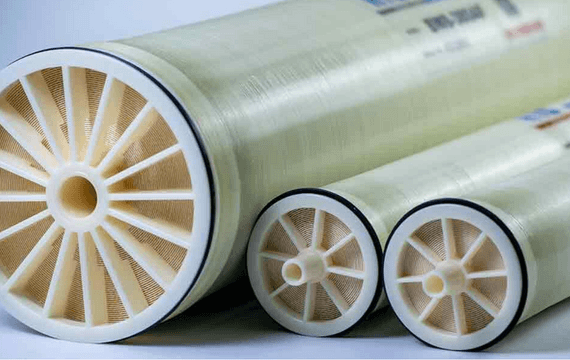
Membrane-based reverse osmosis (RO) purifies water for injection by channeling it through advanced membranes and electrodeionization units at room temperature, eliminating the need for boiling. This approach efficiently filters out impurities and dissolved salts, offering flexibility and ease of operation.
RO systems are well-suited to facilities seeking lower energy use and streamlined maintenance, making them an appealing option for pharmaceutical production focused on reliability, continuous operation and environmental responsibility.
Pure Steam in Pharmaceutical Plants
Pure steam is produced from treated, additive-free feedwater. Sterile manufacturing plants use it to sterilize equipment like freeze dryers and piping. According to the International Society for Pharmaceutical Engineering (ISPE), pure steam condensate must meet WFI standards, except for microbiological limits; endotoxin standards still apply.
Balancing Energy, Water and Compliance in Water for Injection Production
Making pharmaceutical water more efficient takes more than choosing the right equipment. Efforts to lower electricity use may increase water demand or sanitation needs later, so energy, water, and compliance should be weighed together.
Comparing Energy and Water Use
Trade-offs are most evident in the numbers. For example, Engineers Ireland compared hot WFI systems producing an annual output of 17,280 cubic meters and found multiple-effect distillation used about 14.5 million kilowatt-hours a year.
Vapor compression used about 10.5 million kilowatt-hours a year, roughly 30% less. The same study found that ambient membrane systems used about 90% less energy than vapor-compression systems.
These figures illustrate just how much energy savings can vary depending on the method chosen. Facilities in areas where electricity is costly, or sustainability is a priority, may find membrane systems’ lower energy footprint especially appealing. However, the trade-off is increased water usage, which might be a limiting factor in regions facing water scarcity.
How Regulatory Standards Shape Which Methods Are Allowed
Regulations help guide which methods are acceptable. You usually need to follow the pharmacopeial standards of every market you serve. In June 2025, the European Pharmacopoeia Commission (EPC) revised three texts on pharmaceutical water standards, including a switch from an older oxidizable substances test to a total organic carbon test in its Water for Injections monograph.
The EPC is also working with Indian, Japanese, and U.S. authorities to harmonize water standards. Until alignment is reached, methods approved in one region might require additional review in another, so confirm regulatory language in all relevant markets.
Looking Ahead to More Sustainable Water for Injection Production
The right choice of sustainable pharmaceutical water production depends on your electricity mix, local water conditions, and compliance requirements. Deciding between distillation and membranes highlights the ongoing challenge of reducing environmental impacts while keeping medicines safe.
Utility rooms may not draw much attention, but the choices made there help shape healthcare’s progress on carbon and water goals. The next time you get an injection, it’s worth considering the careful engineering behind it.
About the author: Beth Rush is the green wellness editor at Body+Mind, where she covers topics like the power of climate consciousness at all stages of education. You can find Beth on Twitter @bodymindmag. Subscribe to Body+Mind for more posts by Beth!