

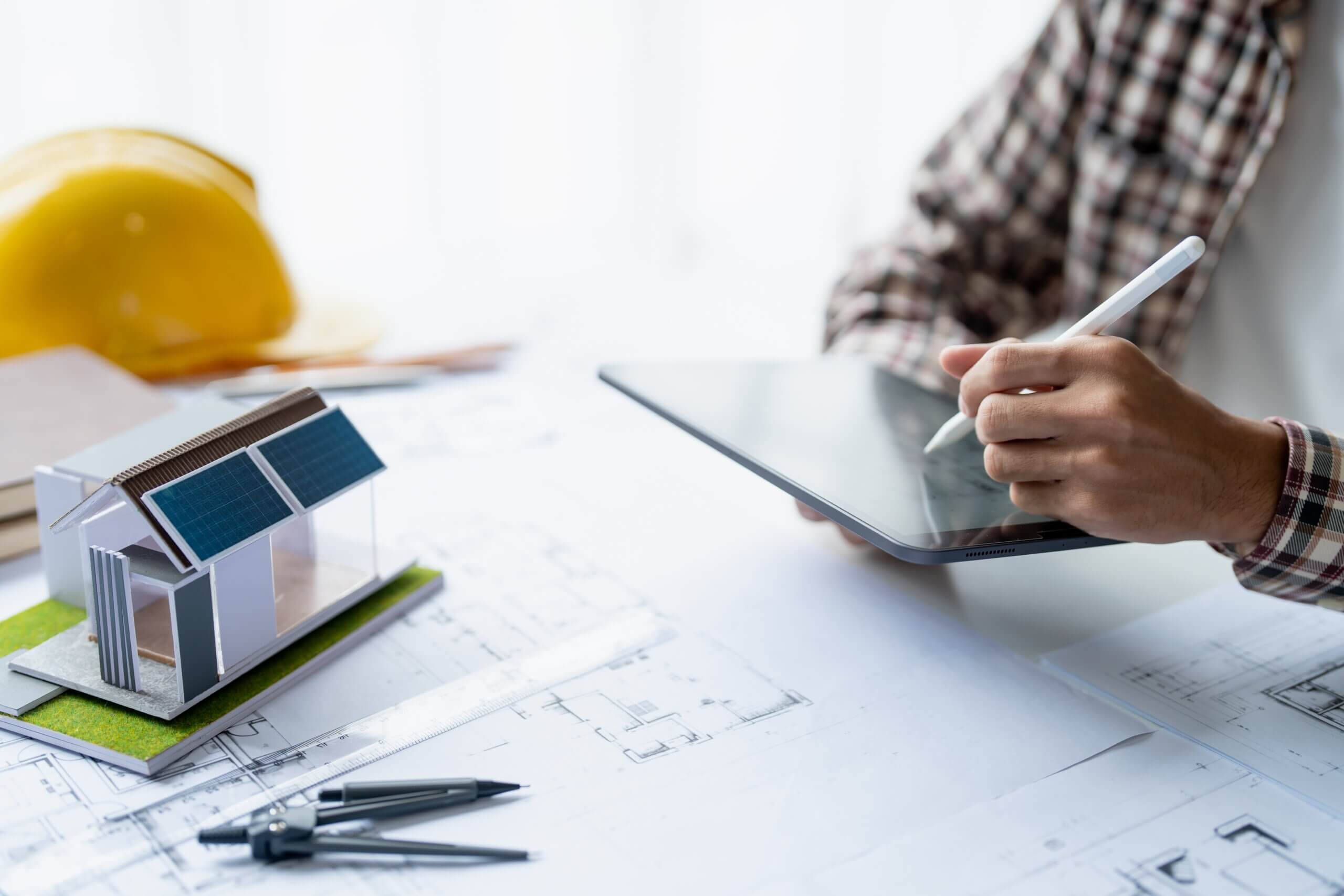
Essential Tools Every Professional Architect Should Have
Every building begins with a series of decisions that influence its environmental impact long before construction starts. From selecting materials to planning energy-efficient layouts, architects play a key role in shaping how buildings consume resources throughout their lifespan.
The essential tools every professional architect should have extend beyond traditional drafting equipment. Modern architectural practice relies on technology that helps professionals evaluate environmental performance while maintaining structural accuracy.
With the right resources, architects can make informed design decisions that support sustainable construction and create buildings that serve their occupants for decades.
1. Computer-Aided Design Software
Accurate drawings form the foundation of any architectural project. Computer-aided design (CAD) software allows architects to develop detailed plans and refine building layouts without repeatedly producing physical drawings.
Digital drafting tools help professionals maintain precise measurements while accommodating changes during development. Architects can adjust room dimensions or reconsider window placements as environmental requirements become clearer.
Digital drafting also supports more efficient documentation. Although computers consume energy, electronic drawings can reduce paper use and make revisions easier to share across project teams.
For architects working toward sustainability goals, CAD provides the flexibility to evaluate design alternatives before construction materials enter the picture.
2. Building Information Modeling Platforms
Building information modeling (BIM) platforms allow architects to examine how different building components interact within a coordinated digital model.
Unlike conventional drawings, BIM models can contain information about construction materials and building systems. Architects can collaborate with engineers to identify potential conflicts before workers encounter them on-site.
For example, discovering that ventilation equipment interferes with structural elements during design can prevent unnecessary modifications during construction.
BIM platforms also support material quantity estimates, helping project teams plan purchases more accurately. Better coordination can reduce avoidable waste while giving architects greater control over the resources their projects require.
3. Energy Modeling Software
A building’s environmental footprint depends partly on the energy it consumes throughout its operating life. Energy modeling software helps architects estimate those demands before construction begins.
Energy simulation tools allow professionals to examine how buildings respond to different environmental conditions. Architects can compare insulation options or examine how glazing choices influence heating and cooling requirements.
These calculations become particularly useful when designing for climates that experience extreme temperatures.
As Green City Times explains in its coverage of efficient building design, architectural decisions influence how buildings manage energy consumption.
Energy modeling lets professionals explore those relationships before construction limits their options.
4. Sustainable Material Assessment Tools
Construction materials contribute to a building’s environmental impact through manufacturing processes and resource consumption. Architects need reliable information to evaluate those effects before selecting products.
Life-cycle assessment software helps professionals compare environmental impacts across different stages of a material’s lifespan. Environmental product declarations can also provide standardized information about particular construction products.
However, architects should examine materials within the context of their intended use. A product with lower manufacturing emissions may offer fewer environmental advantages if its shorter service life requires frequent replacement.
Comparing suitable alternatives helps architects make responsible choices without overlooking durability or performance requirements.
5. Site Measurement and Surveying Equipment
Sustainable architecture begins with an accurate assessment of the land. Understanding a site’s physical characteristics helps architects position buildings responsibly and minimize unnecessary disruption.
Laser distance meters provide convenient measurements during site visits, while topographic surveys reveal elevation changes that may influence drainage requirements.
Architects also collaborate with licensed land surveyors when projects require verified property boundaries or detailed site information.
Professional documentation plays an important role in that relationship. For surveyors preparing official plans, purchasing the appropriate surveyor stamp requires attention to licensing requirements and jurisdiction-specific regulations.
Reliable surveying information helps architects decide on building placement while respecting existing landscape conditions.
6. Daylighting Analysis Software
Natural daylight can improve indoor environments while reducing the need for artificial lighting during daytime hours. However, poorly positioned windows may introduce excessive solar heat and increase cooling demands.
Daylighting analysis software allows architects to study how sunlight enters a proposed building throughout the year.
Specialized simulation tools help designers evaluate window arrangements and shading strategies by modeling lighting conditions throughout the day.
These assessments can reveal opportunities to distribute natural light more effectively without creating uncomfortable indoor conditions.
Climate also influences the results. A design that performs well in a cooler region may require different shading arrangements in a tropical environment.
Careful daylighting analysis helps architects balance occupant comfort with energy efficiency.
7. Project Collaboration and Documentation Tools
Architectural projects depend on communication between professionals with different responsibilities. Cloud-based collaboration platforms help architects coordinate design updates and maintain access to current project documents.
When teams work from outdated drawings, construction errors can lead to unnecessary material consumption and expensive corrections.
Digital document management systems reduce that risk by helping professionals track revisions and communicate changes.
Collaboration becomes especially valuable when sustainability targets influence multiple building systems. For example, architects may need input from mechanical engineers before changing an exterior wall assembly.
Keeping clear records helps teams resolve these questions while keeping design adjustments manageable.
8. Building Performance Monitoring Tools
Architects can also benefit from examining how buildings perform after construction. Monitoring technologies provide data on actual operating conditions and highlight differences between design expectations and everyday use.
Several measurement tools can support this evaluation:
- Smart energy meters: Track electricity consumption and reveal patterns that may indicate inefficient operation.
- Temperature sensors: Monitor indoor conditions and help facility teams evaluate thermal comfort.
- Carbon dioxide monitors: Provide information that can support ventilation assessments when professionals consider occupancy and other relevant conditions.
These measurements cannot explain every performance issue on their own. However, architects can use the findings alongside operational records to identify opportunities for improvement.
Information from completed buildings can also guide future projects, helping professionals refine their design decisions through measurable results.
Building a More Sustainable Architectural Practice
The essential tools every professional architect should have depend on the scale of their projects and the environmental challenges they encounter. Smaller residential developments may require different resources than large commercial buildings, but accurate information remains valuable across architectural specialties.
Choosing appropriate technology also involves considering software compatibility and the team’s ability to interpret results effectively.
Architects contribute to sustainable construction through the decisions they make throughout a building’s development. Reliable tools support those decisions by revealing opportunities to conserve materials and improve energy performance.
As environmental expectations continue to influence the construction industry, architects who combine technical expertise with thoughtful resource management can help create buildings that remain functional and responsible for years to come.