

Are Our Cleaning Habits Sustainable or Border on Post-COVID Paranoia?
When was the last time you used hand sanitizer? Chances are, just before turning on your laptop or touching your phone earlier today.
If you are not a “clean freak,” you may disagree. But more and more people have changed their cleaning habits after the COVID-19 pandemic. More organizations, including hospitals and schools, have also ramped up their commitment to cleanliness and hygiene.
In 2024, a study published in Cureus found that the increased use of hand sanitizer is altering our skin microflora and leading to eczema. In some cases, it affects the gastrointestinal system, a condition called gut dysbiosis.
The idea is not to encourage you to discard the pet sanitizer bottle in your bag but to pause and reconsider your cleaning habits in general. In a world already struggling under worsening climate change and economic disparities, how sustainable is it to “overdo” or not think about the most effective solutions in the real sense?
From Perfunctory to Meaningful Commercial Cleaning
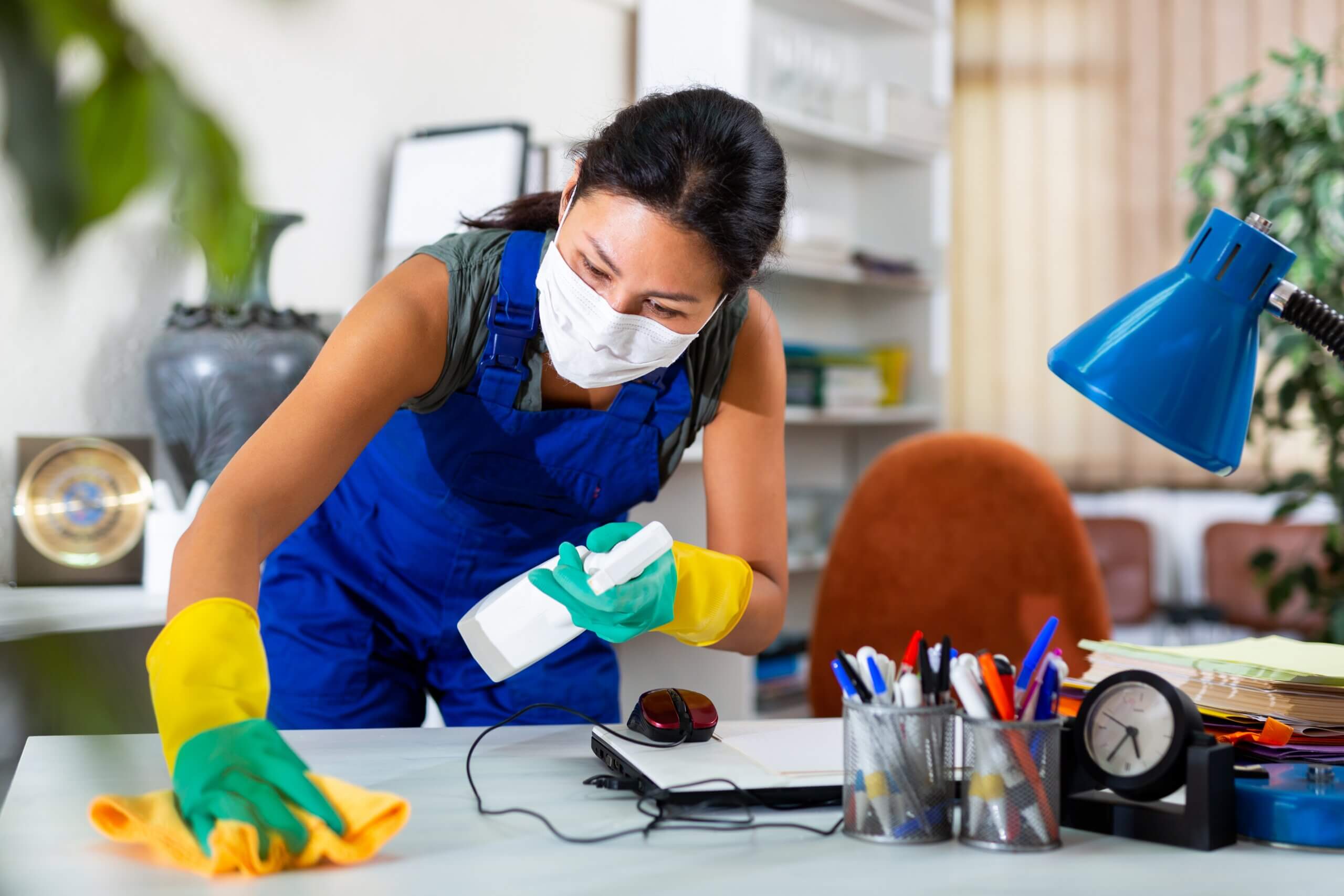
In settings such as schools and offices, stringent cleaning standards are vital. Exposure to dust and microbial agents can lead to health problems. No wonder many commercial facilities have charts for cleaning staff that instruct them on how many times to inspect the floors and toilets.
Which is why it is shocking that many of us regularly fall ill in offices. Sometimes, the air conditioning makes us sick. The Conversation calls it the “sick building syndrome”: a term for that awful combination of headaches, dizziness, and cough. The BBC reports that the working-age health crisis is real, with multiple people facing conditions that limit their productivity.
Well, let’s face it. We may be doing commercial disinfecting wrong. The obsession with frequency after COVID has possibly affected the necessary focus on efficacy.
The non-negotiable requirement is not that complex: we need powerful yet eco-friendly cleaners that act against various microbes. This includes not just bacteria and viruses but also fungi and algae.
According to Econo-Chem, a broad-spectrum cleaning solution is crucial for healthcare facilities, schools, and hospitality venues. For example, benzalkonium chloride has been proven to be gentle enough to be safe for animals yet powerful enough to ensure cleanliness.
Maintaining Distance From “Might As Well” Solutions
We are all guilty of this. Of not “really believing” that a disinfectant spray will make the kitchen counter safer, but doing it anyway. Of not trusting a houseplant’s capability for air-purification, but buying it nonetheless.
These are “might as well” solutions. We do these things for our sanity as an additional layer of potential protection. They become a problem sooner than we realize because there is no end in sight.
Moreover, they may also deflect from things that genuinely matter more. These could be offering health checkups to employees in a factory that may involve exposure to toxins.
You do have the cleansing plants, so it should be okay, right? The American Lung Association now actively warns people that houseplants don’t clean the air. What works is eliminating sources of indoor pollution, from cosmetics to paints.
Likewise, using soap and water remains the most effective way to kill germs, even though the strong smell of sanitizer may lead you to assume otherwise. Researchers note that soap disrupts the bond between pathogens and the skin, whereas hand sanitizer cannot.
Is Greener Also Cleaner?
In the sustainability conversation, green solutions often assume center stage. For example, many people prefer homemade cleaning products instead of store-bought cleaners. In many organizations, reusable mops and microfiber clothes have become the norm. The corporate goal is to lower its huge environmental footprint.
However, these alternatives often evoke associations with lower effectiveness. Are gentle cleaning approaches potent enough for sensitive commercial areas? These doubts have become more common since the pandemic, as people are in no mood to make compromises with their health or safety.
In reality, though, green cleaning is likely to be as effective as traditional options and is environmentally friendly. Cleaning & Maintenance Management magazine explains that the US EPA strictly regulates antimicrobial products. It means they must adhere to specific efficacy requirements, regardless of their green status.
That said, we must be cautious about adopting random cleaning ideas just because they are advertised as green. Sadly, communication like this often falsely associates green with premium or luxury, which undermines the core requirement of staying clean to stay safe.
Squeaky Clean
Around us, several cities in the US and globally are exploring the most sustainable ways to guarantee cleanliness. From volunteer groups manually picking up the trash to large-scale renewable energy projects that make garbage disposal less environmentally expensive, a lot is brewing.
Meanwhile, let us strive to develop effective cleaning habits that do the job without occupying every waking minute. All of us can benefit from a balance between effectiveness and assurance: one that neither permits slack standards nor succumbs to paranoia.