

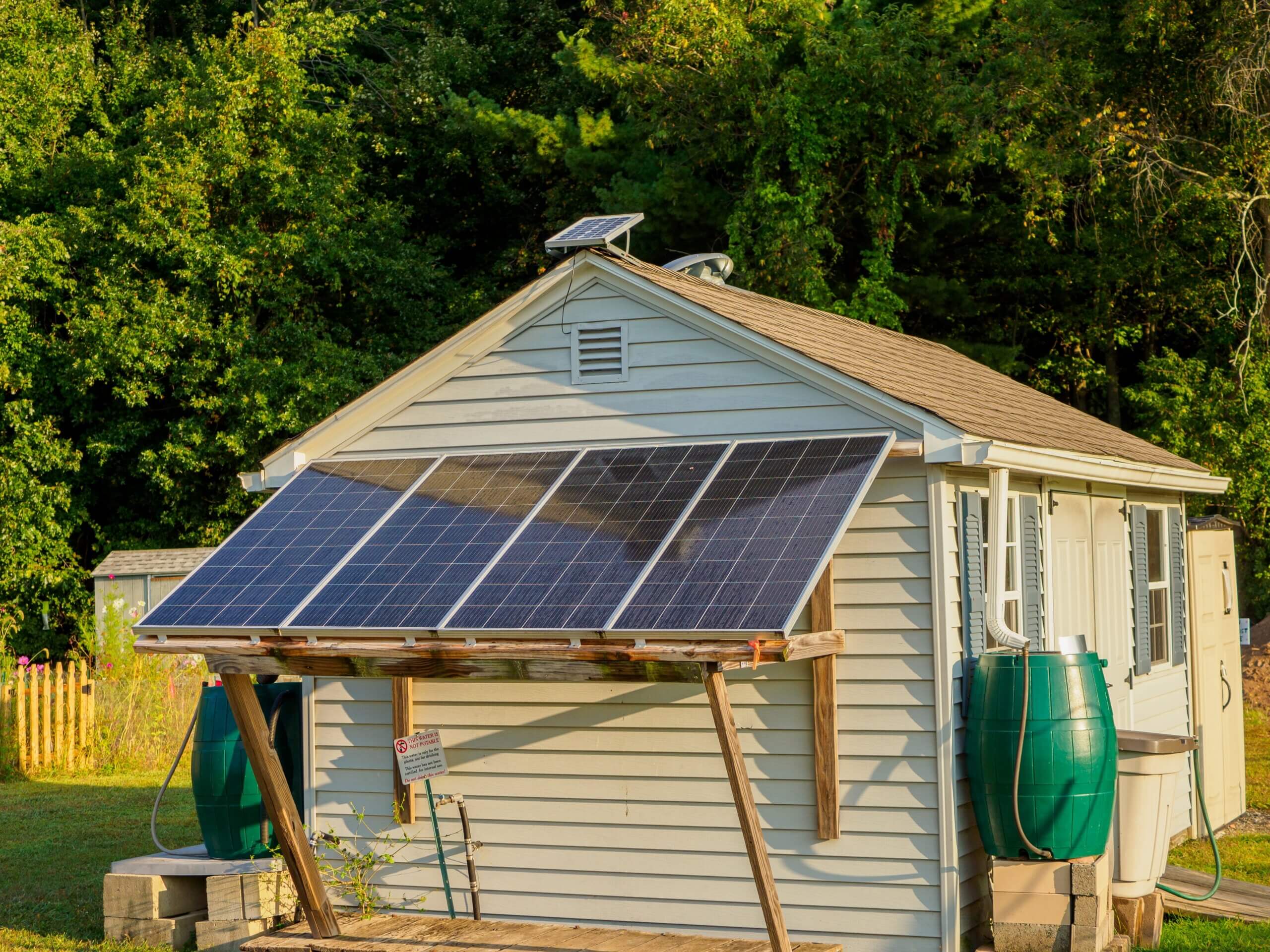
How to Choose the Right Off-Grid Solar Setup for Sheds and Garden Rooms
Sheds and garden rooms are no longer just leftover spaces at the edge of a property. Many people now use them as home offices, creative studios, workshops, or quiet retreats. Once these spaces become functional, electricity stops being optional. And for many, running cables from the main house isn’t practical, affordable, or even allowed.
That’s where off-grid solar becomes an attractive option. But choosing the right off-grid setup matters. A poorly planned system can feel limiting and unreliable, while a well-chosen one quietly supports daily use without constant adjustment.
Understanding how to choose the right setup makes all the difference. Having said that, let’s discuss the same in the article ahead!
1. Start by Understanding How the Shed or Garden Room is Actually Used
The most important part of choosing an off-grid solar setup has nothing to do with panels or batteries. It starts with how the space fits into everyday life.
Some sheds are used for a few hours on weekends. Others function as full-time workspaces. A garden room used for evening relaxation has very different needs from one used during daylight hours for focused work. These patterns shape every technical decision that follows.
Before looking at equipment, it helps to be honest about:
- How often is the space used?
- Whether it’s mainly daytime or evening use.
- How many devices run at the same time?
This step prevents unrealistic expectations. Off-grid solar works best when the system matches real habits, not ideal scenarios.
2. Use Experts’ Guidance Specifically Curated for Small, Off-grid Spaces
Most solar advice online is written for rooftops and permanent homes. That doesn’t translate well to sheds, garden rooms, or independent spaces with limited square footage.
This is why dedicated resources like Beyond the Urban are particularly useful. Their content focuses on realistic energy setups for people working with smaller structures, flexible use, and off-grid constraints. Also, their practical guidance offering tips for choosing an off-grid solar system helps people understand what actually works in garden rooms and sheds—without overengineering the solution. They address questions people actually face:
- How much power is enough?
- How to keep systems flexible, and
- How to avoid unnecessary complexity.
This kind of expertise helps users make informed choices that suit their lifestyle and space, instead of copying solutions meant for entirely different environments. The result is a setup that feels manageable and purposeful—built around how the space is used, not how solar systems are marketed.
3. Choose Your System Size Based on Realistic Power Needs, Not Future Guesses
One common mistake is designing a system around “what might be useful someday.” This often leads to overspending or unnecessary complexity. Instead, focus on what you know you’ll use. Most sheds and garden rooms rely on fairly modest power:
- Lighting.
- Laptops or monitors.
- Phone charging.
- Wi-Fi equipment.
- Occasional small tools.
Understanding these needs helps determine the size of the system without overbuilding. You don’t need to power everything at once. You need reliable support for daily activities. This approach keeps the setup efficient and avoids systems that feel oversized but underused.
4. Balance Solar Panels and Battery Storage for Consistent Performance
An off-grid system only works well when generation and storage are balanced. Panels collect energy during the day, but batteries decide how usable that energy actually is.
If the space is mainly used during daylight, a smaller battery may be enough. If evening use matters, storage becomes more important. The goal isn’t maximum backup—it’s enough stored energy to support how the space is used comfortably.
Many people underestimate how much batteries influence daily experience. A well-sized battery makes the system feel stable instead of restrictive. It also reduces the stress of cloudy days or shorter winter sunlight hours. This balance is often where people benefit from guidance rather than guesswork.
5. Plan for Flexibility Instead of Perfection
The best off-grid solar setups for sheds and garden rooms are rarely “finished.” Needs change over time. A storage shed becomes an office. A hobby room becomes a workspace. The system should be able to evolve along with the space.
Choosing modular components allows:
- Additional panels later.
- Battery upgrades if usage increases.
- Adjustments without replacing everything.
This flexibility is especially important for garden rooms, which often shift purpose as lifestyles change. A system that can grow gradually feels far more sustainable than one that tries to anticipate everything from day one.
Final thoughts
Choosing the right off-grid solar setup for sheds and garden rooms isn’t about chasing maximum output. It’s about aligning energy generation with real use. When the system reflects how the space is actually lived in, solar becomes quiet, dependable, and genuinely useful.
With clear priorities, balanced components, and guidance designed for small independent spaces, off-grid solar can turn sheds and garden rooms into comfortable, functional extensions of daily life—without unnecessary complexity or cost.