

A Framework for Evaluating the Lifecycle Carbon Footprint of Secondary Packaging
As of 2026, seven U.S. states have enacted packaging EPR laws, with additional legislation under consideration nationwide. Alongside these developments, companies are facing greater pressure to maintain accurate packaging data, including material composition, quantities used, and end-of-life outcomes.
GS1 US has published guidance addressing the packaging data companies will need as EPR requirements develop.
As these requirements develop, you need a clearer understanding of your packaging and where its environmental impact comes from. You want to know which changes will make a meaningful difference without losing sight of what your packaging needs to do.
This framework will help you evaluate the carbon footprint of your secondary packaging from material selection through end-of-life.
Apply This Lifecycle Assessment Framework to Your Secondary Packaging

Figure 1. Phases of a Lifecycle Assessment Framework Based on ISO 14040
1. Define Your Secondary Packaging and the Purpose of Your Assessment
When you assess a packaging change, begin by defining exactly what you need the assessment to tell you. Identify the packaging being evaluated, the decisions it will inform, and the lifecycle stages that you must measure.
Keep the performance requirements in scope as well, so you can compare your environmental impact alongside the requirements your packaging already needs to meet.
✔️What product is being packaged?
✔️What does the secondary package need to protect?
✔️Where and how is it being packed?
✔️What distribution and handling conditions does it face?
✔️What performance requirements does it need to meet?
These requirements will also determine how you judge a potential change. For example, a lighter shipping box may have a lower material footprint, but it still needs to work with your packing equipment, protect the product during sorting and delivery, and meet your distribution requirements. If it does not, the lower footprint may create complications elsewhere.
2. Build Your Lifecycle Inventory
Good decisions require good data. Use the most specific information available for your packaging, suppliers, processes, and logistics to establish the inputs for your assessment. If specific data is unavailable, use the best available estimates or industry data, and track where those figures come from.
Use the following categories to identify the data you need for each stage of your packaging’s lifecycle.
| LIFECYCLE STAGE | USEFUL DATA SOURCES |
| Materials and Quantities | Packaging specifications, bills of materials, purchasing records, and supplier information |
| Material Production | Supplier-specific environmental data and relevant lifecycle databases |
| Manufacturing | Production records, process data, energy use, and manufacturing site information |
| Transportation | Shipping records, shipment weights, freight distances, transportation modes, and shipment configurations |
| Product Protection | Damage and return data, quality records, and distribution testing |
| End of Life | Material composition, recyclability information, waste management data, and regional information on collection and treatment |
You do not need the same level of detail for every input. Focus first on the data most likely to affect your results. For example, if your packaging uses a material with a high emissions factor, accurate data on material quantities and production may matter more than refining a small transportation estimate.
When specific supplier or process data is unavailable, document the gap and use a reasonable estimate or relevant industry data. As you refine the assessment, update the inputs that have the greatest influence on the result.
3. Identify Where the Biggest Environmental Impacts Occur
Your lifecycle inventory should show where the largest contributions come from. Material production often accounts for a significant share of your packaging’s carbon footprint, but manufacturing, transportation, or end of life may also contribute substantially, depending on how your packaging is produced, distributed, and managed after use.
To identify your own hotspots, compare each lifecycle stage’s contribution using the same impact measure and functional unit. Compare both the quantity of material or energy involved and the environmental impact associated with each input. For example, a small quantity of a material with a high impact factor may contribute more than a larger quantity of a lower-impact material.
As you review your results, you may find that you can make the biggest improvement through material selection, or by changing how you manufacture, ship, or manage your packaging after use. Then focus your next round of evaluation on the parts of your packaging with the strongest potential for improvement.
4. Evaluate Proposed Changes Against Your Established Performance Requirements
When you identify a packaging change that could reduce its environmental footprint, you also need to determine whether it still meets your application requirements. Before moving forward, compare the proposed packaging with your current specifications for protection, handling, storage, transportation, and manufacturing.
- Would reducing material affect structural performance?
- Would changing the design affect packing or manufacturing?
- Would changing dimensions affect storage, palletization, or transportation?
- Would changing the package affect product protection or presentation?
5. Assess the End of Life and Circularity Outcome
Before making a packaging change, consider what will happen to the packaging after it has served its purpose. End of life is easy to overlook when you are focused on material selection, manufacturing, and transportation, but the recovery options available for the packaging can affect its overall environmental footprint.
- Identify the likely end-of-life pathway. Determine whether your packaging will be reused, recycled, recovered, or disposed of in the markets where it will be used.
- Evaluate actual recovery potential. Consider collection systems, recovery rates, contamination, and whether the material can move through existing recycling infrastructure.
- Assess the design’s effect on recovery. Material combinations, coatings, adhesives, and other design choices can affect how easily the packaging is recovered and processed.
- Consider what happens after recovery. Determine whether recovered material can become feedstock for new products and what processing it requires.
- Include end-of-life in the footprint comparison. A material change may lower impacts earlier in the lifecycle while creating a less favorable end-of-life outcome.
When you compare packaging options, look at what happens to the material after use. For fiber-based packaging, recovery can return fiber to paper production as a secondary raw material, which extends its use into future packaging. This is the process we follow at York Container. We recover usable paper and corrugated fiber, process it for reuse, and return it to paper production, where it can be used to make corrugated packaging.
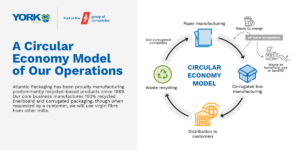
Figure 2. York Container’s Circular Economy Model
Conclusion
A lower-impact material does not automatically produce a lower-impact package. A packaging change can look promising at one stage of the lifecycle and produce a different result once you account for everything else.
For your next packaging review, start with the packaging you use today. Establish its baseline, find where the largest impacts occur, and test the changes you are considering against both the data and your existing performance requirements. Keep the assessment broad enough to catch tradeoffs, then focus your attention on the changes that can make a meaningful difference.
Author Bio:
Georgie Ornelas is the Marketing Director at York Container Company, part of the Atlantic Packaging group of companies, which together provide packaging solutions in Pennsylvania, Illinois, other parts of the US, and Canada. Georgie has authored content for York Container and Skybox Packaging and frequently contributes industry insights on corrugated packaging, packaging supplies, warehouse efficiency, and the circular economy.