

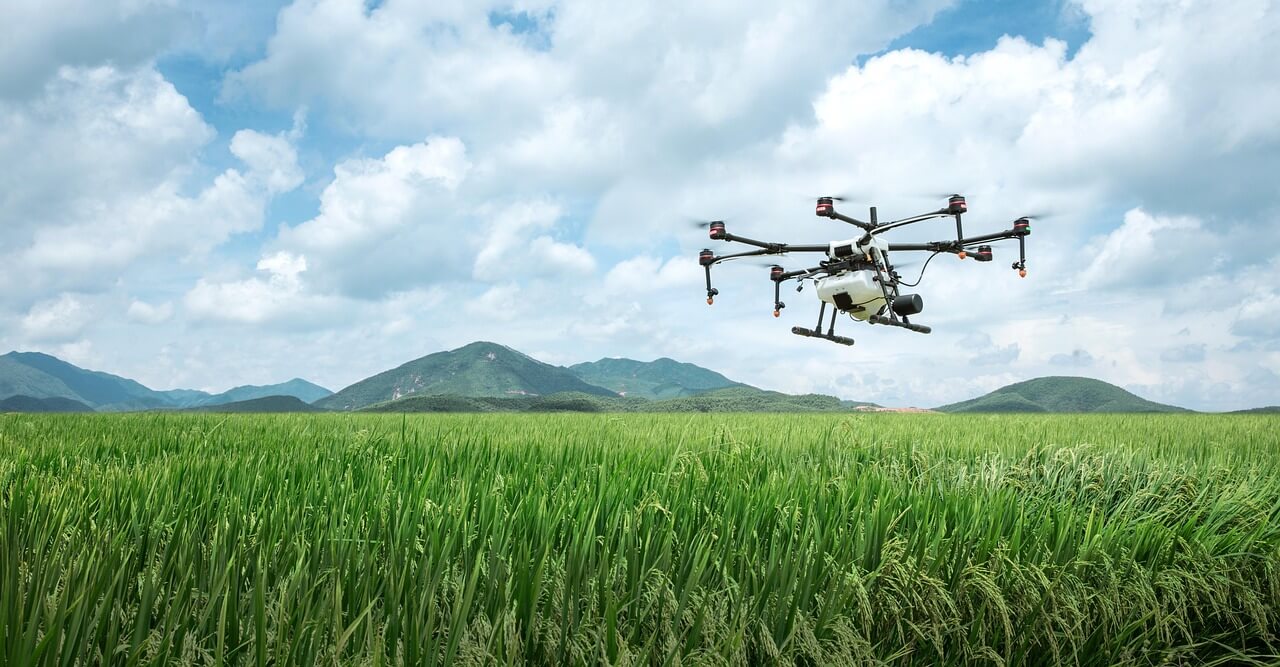
When to Use DJI Matrice 4T Drones in Eco-Conscious Farming Operations
Modern sustainable farming faces mounting pressure to produce more while consuming less. Soil health is declining, water tables are shrinking, and chemical runoff damages ecosystems faster than conventional methods can address. The question isn’t whether precision technology belongs in sustainable agriculture; it’s whether operators deploy it at the right moment.
The DJI Matrice 4T drone is designed to support precision agriculture decisions at specific crop cycle stages. Its thermal, wide, zoom, and multispectral sensors make it one of the most capable platforms for eco-conscious farm management, but only when used at the right crop cycle stage.
What Makes the DJI Matrice 4T Ideal for Sustainable Farm Monitoring?
Not every aerial platform handles environmental monitoring with equal effectiveness. The Matrice 4T’s edge lies in its multi-sensor architecture, which addresses key precision agriculture data gaps across one complete flight:
Why Thermal Imaging Reveals What Ground Inspection Misses
Thermal cameras spot canopy temperature shifts that signal moisture stress, drainage issues, and early disease before symptoms show. Manual scouting across large farms takes days, but the DJI Matrice 4T surveys hundreds of acres in repeatable flights, delivering fast, actionable thermal data.
How Multispectral Data Reduces Chemical Application
Multispectral sensors create NDVI maps that highlight underperforming zones. Farmers target only stressed areas instead of blanket treatments. Variable‑rate studies show 15–30% input savings, proving drone‑guided precision reduces chemical use and protects soil health.
When Should Farmers Deploy the Matrice 4T during the Crop Cycle?
The timing of drone deployment defines ROI in precision agriculture. Consistent monitoring ensures that stress signals are captured before yield losses occur. Specialists like Talos Drones, deploying the DJI Matrice 4T Agricultural Drone commercially, identify three peak windows: pre-season soil assessment, mid-season vegetative monitoring, and post-irrigation verification. Missing any window delays corrective action precisely when crops can least afford it.
Consider a vineyard that began flying the Matrice 4T during early berry set. Thermal scans caught an irrigation line failure across 12 rows before wilting appeared. That single flight preserved a significant yield without any additional chemical input, showing how flight timing alone determines environmental outcome.
Where Does Drone Intervention Deliver the Most Environmental Value?
Not every field section yields equal environmental return from aerial surveillance. The payoff depends on where the Matrix 4T is directed and what it’s tasked to detect. The most actionable eco-data zones include:
Irrigation Monitoring Across High-Density Crop Zones
Thermal imaging over irrigated rows reveals distribution failures that waste thousands of liters daily while staying completely undetected at ground level. The Matrice 4T’s thermal sensor then identifies temperature differentials across the canopy, making under-irrigated patches detectable before root damage occurs and remediation costs escalate.
Early Pest Detection Before Chemical Intervention Becomes Necessary
Multispectral drone missions over boundary rows can detect crop stress days before visible pest damage appears, enabling targeted spot treatments that reduce pesticide use and protect soil health. According to the U.S. EPA, the agricultural sector accounts for nearly 90% of the total amount of conventional pesticides used in the United States, which makes drone-guided spot treatments one of the most impactful ways to reduce the industry’s overall chemical footprint.
How to Build a Drone-First Workflow That Supports Eco-Farming Goals?
Establishing a repeatable flight protocol transforms the Matrice 4T from a reactive tool into a proactive monitoring system. Flight intervals should align with growth stage milestones rather than calendar dates, since stress response windows shift between vegetative growth and grain fill on the same farm.
The workflow also requires seamless data integration between drone outputs and farm management systems. Raw NDVI exports should feed directly into variable rate technology application maps before each input decision because drone data only drives sustainability outcomes when it connects to field action in time.
Commonly Asked Questions
Is the DJI Matrice 4T suitable for smaller farms under 100 acres?
Yes, though ROI strengthens at larger scales, especially for specialty crops like vineyards or berry farms. Value peaks when growing high-value specialty crops like wine grapes or berries, where precision data directly prevents costly per-acre losses.
How often should the Matrice 4T fly during peak growing season?
A 10 to 14-day cycle suits most broadacre crops. High-value or drought-sensitive varieties may warrant weekly flights during peak stress windows.
Does weather affect thermal and multispectral data reliability?
Yes. Cloud cover and high humidity skew thermal readings. Flying between 9 AM and 11 AM ensures consistent solar loading and the most actionable results.