


From ‘Nature’s Fury’ to Human-Caused Catastrophe: Living With Storms
Storms have long captured mass attention, inspiring awe and fear in almost equal measure.
In biblical times, storms were associated with nature’s fury. A punishment for our sins. A message from the Gods. In modern times, so many have been linked to human activities that any such ideas have been put to rest.
Last year, many US cities, including Denver, experienced several storms. Parker, one of the prime municipalities near Denver, was predicted to see 5-11 inches of accumulation. From storm door installation in Parker to far-reaching steps to tackle climate change, approaches vary across these regions.
Let’s learn how to live with storms, for they sure don’t seem willing to abate anytime soon.
Building Stronger Homes
The National Weather Service observes that approximately 16 million thunderstorms occur annually, with 100,000 of these in the U.S alone. Media reports emphasize that storms during the past few years have been treacherous, causing millions of dollars’ worth of damage.
Homes, designed to be our solace and shelter, cannot face the onslaught of severe winds and persistent rain unless bolstered from the outside in.
In response, we now have suitable building materials to endure adverse weather, such as structural steel. A World Bank report highlights that South Asia, one of the most climate-vulnerable regions globally, can benefit from investments in such materials for public infrastructure.
Even if you live in an aging property, you can upgrade it to handle inclement conditions through planned renovation projects. Construction experts usually recommend undertaking roofing maintenance first. Seemingly small issues, such as clogged gutters or broken shingles, can deplete the roof’s ability to hold down the fort.
Storm doors have also emerged as a viable and effective solution for insulating homes against storm damage. These reliable structures can offer both weather protection and ventilation. They also repel insects, which can otherwise cause frustrating infestations after storms.
Typically, the cost of these doors depends primarily on size, preferred materials, and local conditions. According to Denver Storm Door, getting an in-person estimate can help ensure you find a high-quality product with dependable craftsmanship.
In the Wake of Disaster
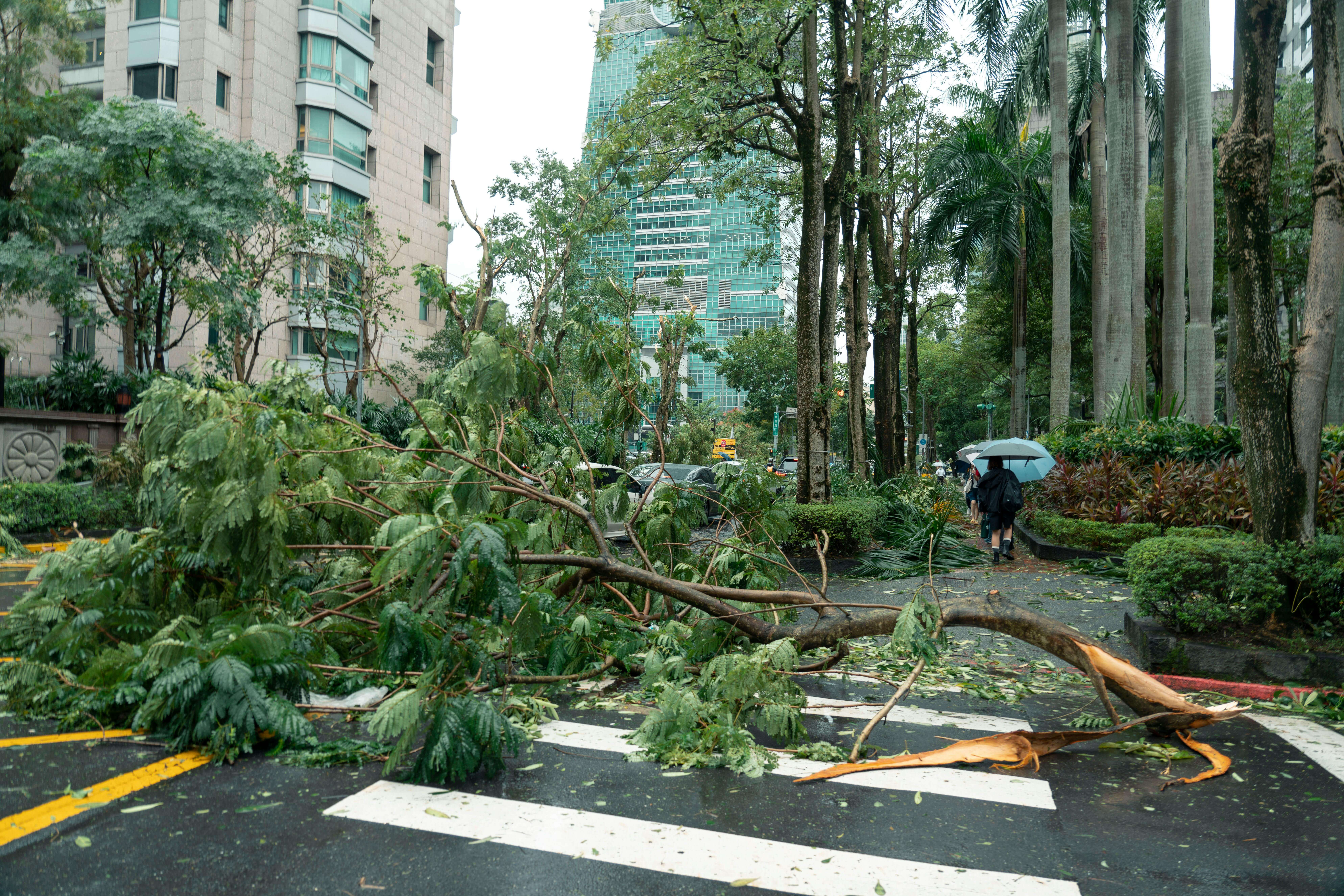
Most of us are aghast at the structural damage storms can cause. They break mighty buildings apart, uproot ancient trees like straw. Repairing properties is only one part of handling the aftermath of a storm.
Many people are injured during storms, often from vehicle accidents or falls. The Federation of American Scientists reports that health issues increase after storms and similar disasters. Up to 11,000 storm deaths that studies estimate emerge from long-term consequences, such as cardiovascular disease.
Some people face mental health concerns after witnessing such events, sometimes aggravating anxiety and other mood disorders. In fact, climate change anxiety is now frequently observed, causing symptoms like fear and stress. UNICEF notes that eco anxiety can also affect children and parents, making them susceptible to feelings of helplessness about the world around them.
Consider seeking expert medical counsel to address physical and mental health challenges after high-magnitude weather events.
Small Changes for Lasting Results
It may not seem apparent at first that we could be responsible for storms, which are such magnificently powerful phenomena. However, new scientific evidence leaves little doubt that human activities have driven climate change. This has directly increased the frequency of unfavorable weather events.
The sensible thing to do at this juncture is to switch to sustainable choices from within, not for social media attention. For instance, many metropolitan cities have rushed through urbanization, clearing entire forests in the process.
Sumatra, Indonesia, can teach us a valuable lesson about how deforestation can trigger a cyclone that unleashes chaos. When Cyclone Senyar struck the Southeast Asian country last year, the degraded soil barely did anything to prevent flash flooding and widespread damage to homes.
Building eco-friendly real estate is, therefore, essential. Private homeowners often focus on creating and maintaining green spaces. However, we must check whether our manicured lawns were created after cutting down much larger forests in the name of urbanization.
Pollutants, particularly emissions from vehicles and burning fossil fuels, have also been linked to more intense storms. These pollutants may originate from industries and households that use seemingly harmless products, such as aerosol deodorants. Scientists are studying whether these materials can serve as seeds that initiate cloud formation, which together intensify rainfall.
In the current environment, learning to live with natural disasters is crucial. It includes staying prepared, mitigating damage, and taking steps toward building a safer future.
Working to minimize, if not eliminate, insidious human activities can help us tackle climate change over time. In any case, taking no action to address the severe risks of deforestation, pollution, and reckless construction is not an option. Not if we need the planet to continue to house us.