

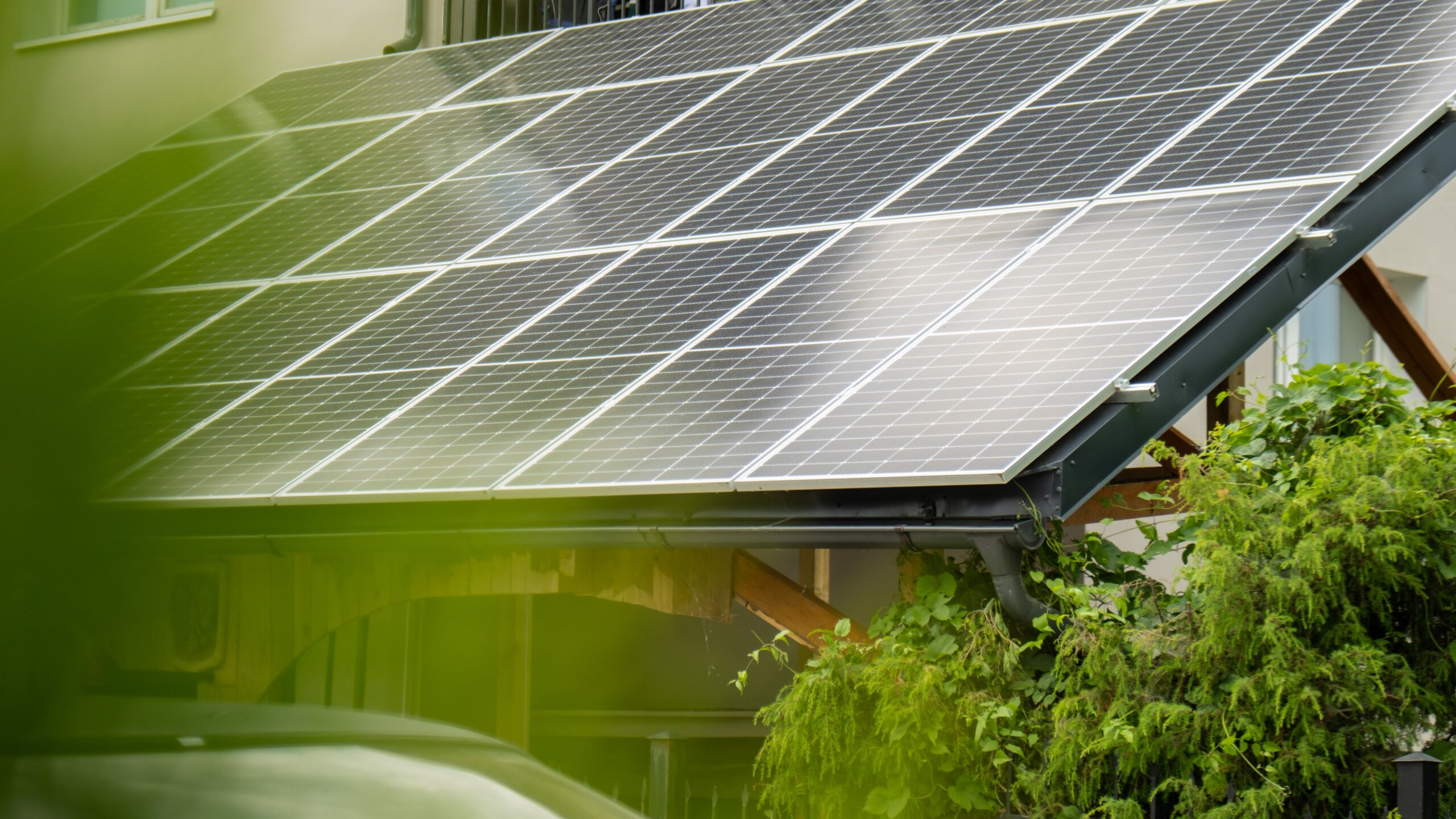
Implementing Microgrid Neighborhoods for Energy-Resilient Cities
By Evelyn Long
If you’re familiar with flickering lights followed by an abrupt blackout, you’re not alone. What used to be a rare occurrence during a major storm is now a regular event for some communities, which face everything from heat waves to high winds.
Centralized power grids are aging and under growing stress from climate change and high demand. Microgrid neighborhoods offer a viable solution. They’re proactive, community-focused solutions that provide energy resilience, sustainability, and control.
The Urgent Need for Urban Energy Resilience
The warmest 10 years in the historical record run from 2015 through 2024, all within the last decade. This sustained heat can take a toll on a city’s power grid. It increases electricity demand from air conditioning, placing extreme stress on transformers and power lines. This, in turn, raises the risk of brownouts and blackouts.
Building urban energy resilience also means preparing for other climate-related disruptions. A hurricane’s strong winds can knock over poles, wildfires can burn connections, and floods can damage the electrical stations on the ground. When these weather events disrupt the main grid, a resilient system can act as a power island, keeping your lights on when the larger grid is down.
A Multi-Layered Approach to Implementation
It takes a holistic, three-layer approach to create a truly resilient community from the ground up.
Layer 1 — Fortifying the Building Envelope
The most immediate level of resilience starts with your own home. By reinforcing your building’s envelope, you help extend safe conditions for everyone inside during a cold snap or heat wave. Here are some ways to enhance it:
- Upgrade to triple-pane windows that minimize heat transfer.
- Seal gaps to keep the heat in and the cold out or vice versa, depending on the season.
- Invest in high-performance insulation, such as spray foam or rigid foam boards, for walls and attics.
Layer 2 — Choosing the Right Microgrid Model
Once buildings are efficient, the next step is implementing a smart, independent power system. Microgrid solutions come in three types, and it’s imperative that your community chooses the one that best meets your collective needs.
- Remote: These microgrids operate independently from the main grid, making them perfect for brand-new housing developments built far from existing utility lines.
- Grid-connected: These units can connect and disconnect from the utility line as needed. They’re ideal for established urban neighborhoods that want backup power during outages.
- Networked: These can power a large area by combining separate microgrids. They’re ideal for city districts, hospital complexes, large university campuses, and similar settings.
Layer 3 — Incorporating Sustainable Infrastructure
The final layer extends into the shared spaces of your neighborhood. The goal is to create an environment that supports your community’s goals.
For example, green roofs provide an extra layer of insulation, reducing heating and cooling demand. They also reduce the urban heat island effect and improve air quality. Permeable pavers and walkways are another great investment, as they can help manage stormwater, prevent flooding, and recharge local groundwater.
Key Outcomes of a Resilient Implementation
Here are the benefits of energy resilience that you and your neighbors can expect:
- Enhanced reliability: During a citywide blackout, a microgrid neighborhood keeps the lights on, refrigerators running, and essential home medical equipment powered.
- Economic savings: Residents save money by using less energy thanks to efficient buildings and by generating their own power through solar panels and other renewable sources.
- Environmental impact:
- Microgrids can run on renewable energy, which produces zero greenhouse gas emissions, leading to cleaner air and better public health.
The Future of Urban Power is Local
Building energy stability takes a three-layered approach — fortified buildings, a smart microgrid, and a green infrastructure. By embracing this initiative, you can be part of the path toward creating sustainable, truly resilient cities for future generations.