

How the Meat Industry Can Reduce Food Waste
By Jack Shaw
A staggering amount of food produced is never eaten. Meat, which requires immense resources to produce, is a major contributor to this global waste problem. The issue carries a heavy environmental price in wasted water, land, and energy.
It also causes significant economic losses for farms and families alike while raising profound ethical questions about the lives of the animals involved. The good news is that sustainable solutions exist at every step of the journey, from farm to fork.
The Staggering Scale of Meat Waste
In America, around 30% to 40% of the entire food supply is wasted. Approximately 23% of meat production is lost, meaning nearly one-fifth of animal products never get eaten — wasting the protein and the resources used to process them.
Beyond improving efficiency, reducing waste is also about honoring the lives of the animals involved in the food system. In 2019, around 18 billion animal lives were represented in waste and losses of global meat production. Mainstreaming best regional efficiencies can decrease that number by 7.9 billion, while implementing the UN’s Sustainable Development Goal 12.3 can reduce it by 4.2 or 8.8 billion.
The environmental impact of food waste is also significant. Food waste is the single largest component in landfills, where it rots and releases methane, a potent greenhouse gas.
Pinpointing Waste Along the Supply Chain
Waste is a series of challenges that occur at different points in the supply chain. Each requires a unique solution.
Production and Processing Inefficiencies
Waste at this stage can look like inefficient cutting techniques that leave edible meat on the bone, byproducts that are discarded or downcycled, and spoilage from equipment failure. “Rendering” is a good example that involves processing animal tissue into products such as industrial fats and pet food. While not a total waste, it’s a form of “downcycling.”
Reducing food waste in the meat industry at this phase can involve investing in advanced cutting technologies and developing new food products from trimmings and offal. Improving cold chain management within facilities is another solution.
Distribution and Retail Challenges
Cosmetic standards are a common culprit behind retail-level meat waste. Retailers often reject perfectly safe and delicious cuts of meat due to minor discolorations or imperfect shapes.
Many sellers also face pressure to maintain a “perfectly full” meat counter. This leads to over-ordering and inevitable spoilage as products near their expiration date. Meanwhile, supply chain disruptions, from transportation delays to broken freezer seals, can cause entire shipments to be discarded.
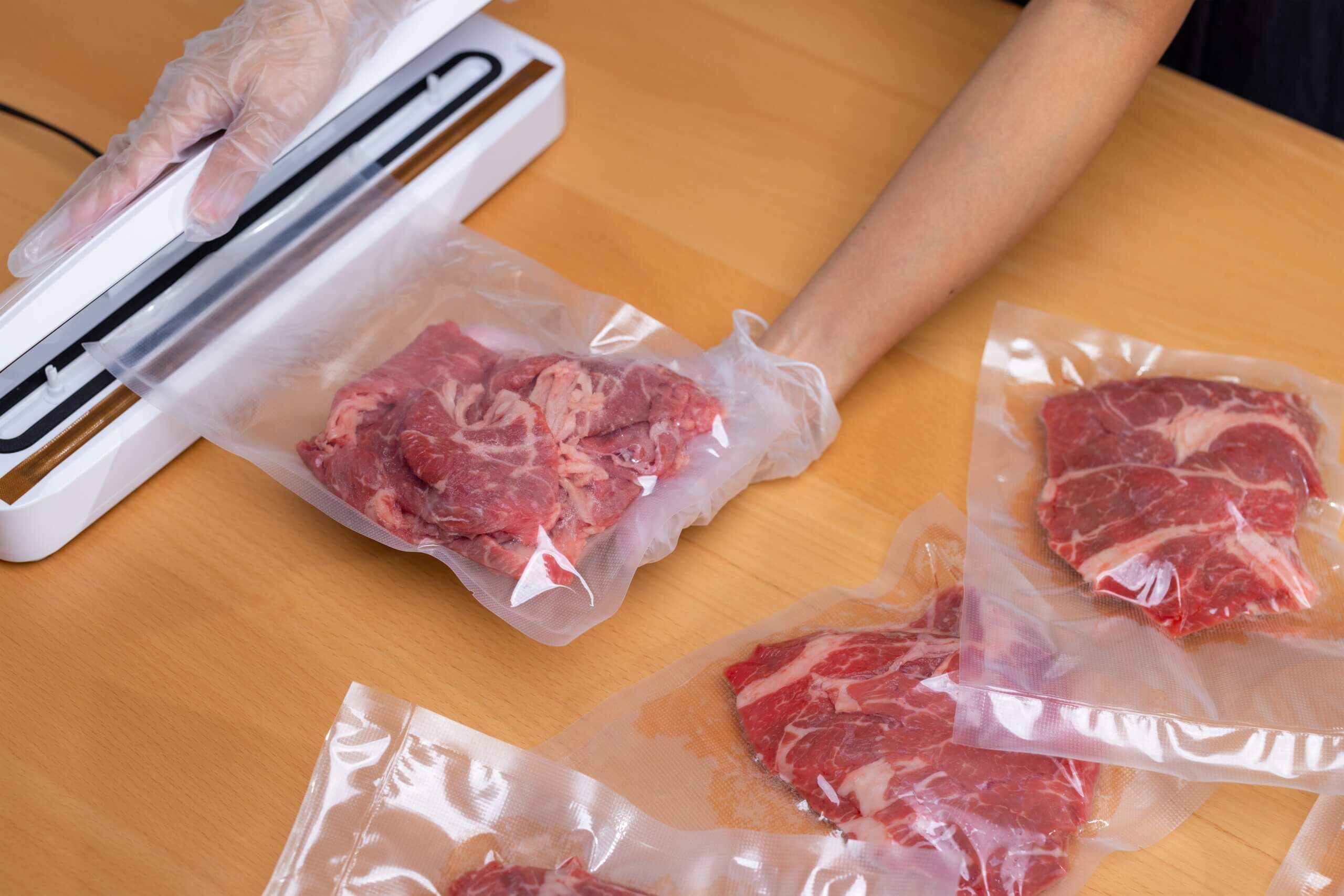
Discounting meat products near their sell-by dates is a smart solution to spoilage. Investing in improved packaging technologies, like vacuum sealing, can also extend shelf life.
Empowering Consumers to Enhance Food Waste Prevention
While industrial waste is significant, household waste accounts for most of it. Here are some ways to reduce your contribution.
Adopt Smart Shopping and Planning Habits
Take inventory of your fridge or freezer before going to the store. Create a weekly meal plan based on what you have and what you need, then make a detailed shopping list and stick to it to avoid impulse buys.
Pay attention to your food’s “use by” or “best by” date, which is often the manufacturer’s suggestion for peak quality. If you have items approaching their label date, use your eyes and nose to check for freshness. Look for signs of spoilage — such as a strong, strange odor and greyish-green discoloration — instead of relying solely on the date.
Master Meat Storage Best Practices
Proper storage slows bacterial growth, preserves flavor and texture, and extends shelf life. If you’re storing raw meat in the fridge, keep it in a sealed container on the bottom shelf to prevent juices from dripping onto and contaminating other foods.
Freezer storage is the best method for long-term preservation. Keep your freezer at 0° Fahrenheit or below, and monitor how long you keep meat products in it. Use pork within two to three months, lamb and veal within three to six months, and beef within six months.
Wrap the meat properly to prevent freezer burn, which causes ice crystals to dehydrate the meat, ruining texture and flavor. Store meat products in freezer bags or vacuum sealers before putting them in your freezer.
Building a Circular System for Food
Consider following a food recovery hierarchy, which prioritizes the most effective and sustainable uses for excess food. Preventing waste is ideal, but if that’s unavoidable, donating excess to hunger-relief organizations is the next best step, unless the food is spoiled and inedible.
The next tier involves recycling or repurposing food. For example, you can turn leftovers into animal feed, compost, or even bioenergy. Consider landfill disposal only as a last resort. This model creates a “circular” system in which waste from one process becomes a valuable input for another, reducing the overall environmental footprint.
Forging a Zero-Waste Future for the Meat Sector
Tackling meat waste is a collective effort. It’s a chain of responsibility that starts at the processing plant, runs through the grocery store, and ends in the consumer’s kitchen. Improving industrial efficiency, adopting smarter retail practices, and embracing mindful consumer habits offer actionable solutions at every stage.
Every positive change contributes to a larger movement, forging a path toward a future with less waste and more sustainable food systems.
Jack Shaw is the senior editor of the men’s lifestyle magazine Modded and has written
extensively about electric vehicles, sustainable practices, and maintaining a green lifestyle
through your everyday actions. His writing can be found in Green Living Journal, Packaging
Digest, EcoHotels, and more. Connect with him via his LinkedIn.