

Rise of Electric Yachts: A Cleaner and Sustainable Future for Boating
Electric or solar yachts are now becoming real, and it is exciting to watch. It is no longer just a general idea; people can actually purchase and use them. These yachts run on batteries instead of traditional fuel engines.
This shift is happening mainly because battery technology has improved. Earlier batteries were heavy and lost power quickly, but modern lithium-ion batteries are lighter, stronger, and last longer. This allows yachts to travel greater distances without frequent charging. They are also becoming more affordable, making electric yachts easier to access.
At the same time, people are becoming more aware of the environment. Yachting is often seen as a luxury, but it does not have to harm nature. Electric and solar yachts allow people to enjoy water travel while reducing pollution and lowering their carbon footprint.
Electric yachts use motors powered by batteries instead of fuel engines. These motors turn the propellers to move the yacht. They are quiet, efficient, and require less maintenance. There is no need for oil changes or dealing with exhaust gases, making them cleaner and easier to manage.
Electric yachts are not just a trend; they represent the future of the yachting industry. As technology improves and demand for eco-friendly options increases, their use will continue to grow.
Environmental Advantages of Electric Yachts
One of the biggest benefits of electric yachts is reduced pollution. They do not release harmful substances into the air or water like traditional yachts. This helps protect oceans and fight climate change. There are fewer oil leaks, no exhaust smoke, and a lower carbon footprint.
Electric yachts also operate almost silently. This creates a peaceful experience for passengers and reduces noise pollution that can disturb marine life.
They also support clean energy use. As more ports install renewable-energy-powered charging stations, electric boating encourages investment in sustainable energy systems.
Transforming the Yachting Industry
The yachting industry is changing with the rise of electric power. It is not only about luxury but also about responsibility.
Electric yachts show that owners care about the environment. They prove that comfort and sustainability can go together, which is also reflected in modern luxury yacht visions such as the Itchko Ezratti Yacht.
This shift is also driving innovation. Companies are investing in better batteries and charging systems. These improvements are helping not only marine transport but also other electric industries.
Reasons to Consider Electric Yachting
Electric yachts offer comfort along with environmental benefits. Owners can enjoy premium features while reducing harm to nature.
Although the initial cost may be higher, long-term savings are important. Electricity is usually cheaper than fuel, and maintenance costs are lower due to fewer moving parts.
Many regions are also introducing strict emission rules. Electric yachts help owners meet these regulations and prepare for future requirements.
Innovative Electric Propulsion Technologies
Electric yacht development involves more than just batteries. It includes new propulsion systems and smart designs.
Marine batteries are designed to handle sea conditions while providing steady power and fast charging. Their performance continues to improve, allowing longer travel distances.
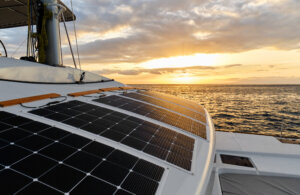
Electric catamarans are becoming popular due to their design. They offer more space for batteries, better stability, and improved efficiency. Their wide surface also supports solar panels.
Electric outboard motors are also improving. They are clean, quiet, and powerful, making them suitable for many types of boats.
Chartering Electric Yachts
Many companies now offer electric yachts for rent. This allows people to experience electric boating before buying one.
Renting provides a quiet, smooth, and eco-friendly journey. It reduces noise and pollution, making travel more enjoyable and responsible.
The Rise of Electric Boating
Electric boating is growing quickly. Many types of electric boats are now available, including leisure boats, sports vessels, and large transport ships.
Some high-performance electric boats can travel long distances on a single charge. Electric ships are also being used commercially, reducing fuel use and emissions.
Startups are building electric boats for water sports, combining speed with performance. Public transport systems are also adopting electric boats for cleaner travel.
Hybrid boats are another option, allowing users to switch between fuel and electric power.
Advantages of Electric Boating
Electric boats provide a quiet ride, improving comfort for passengers and reducing disturbance to wildlife.
They also reduce carbon emissions and prevent fuel leakage, helping protect marine ecosystems. They are cost-effective as electricity is cheaper than fuel, and maintenance needs are lower.
Electric systems also allow better design flexibility, improving safety, balance, and performance.
Why Electric Boat Retrofits Matter More Than Ever
Converting existing boats to electric is a practical way to reduce pollution. Instead of building new boats, retrofit systems upgrade current vessels, reducing cost and waste.
These systems include electric motors, batteries, and smart controls designed for marine use. They improve efficiency, reduce noise, are good for the environment, and extend the life of boats.
Autonomous Ferry Operations Explained
The marine industry is evolving with automation and clean energy. Electric boats are ideal for future transport systems due to their simple design and fewer mechanical parts.
When combined with autonomous technology, these boats can follow routes and operate with minimal human control.
This development is helping improve transport in ports and coastal areas by reducing fuel use and increasing safety.
Ferries are especially suitable for this technology because they operate on fixed routes, making it easier to implement automation safely.
So, electric yachts are transforming maritime travel by providing a cleaner, quieter, and more sustainable alternative to fossil fuel engines.