

How Smart Manufacturing Is Driving Sustainable Industrial Transformation
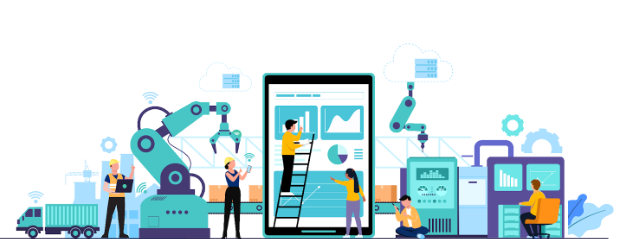
In conference rooms and on production lines around the world, something remarkable is happening. Machines are no longer dumb pieces of metal that wait for an operator’s command; they’re active participants in the workday, chatting with sensors, swapping data with planning systems, and quietly fine-tuning themselves to run cleaner.
This is the beating heart of smart, sustainable manufacturing, and it’s doing more than trimming cycle times. It’s turning plants once known mainly for clatter, scrap bins, and big energy bills into test beds for climate solutions.
A reader strolling through a modern facility might notice the difference right away: fewer clipboards and more tablets; fewer forklifts idling and more AGVs whispering by; fewer piles of paperwork and more dashboards glowing green when targets are met. None of this comes free, and none of it is driven purely by love for the planet.
Tight margins, unpredictable energy prices, and tough regulations have forced the issue. Digitization just happens to be a toolset that delivers profit and planet wins in the same stroke.
Why Smart Manufacturing and Sustainability Now Converge
Executives used to talk about “green” in a separate breath from “productivity.” Those days are over. Carbon pricing, mandatory climate disclosures, and supply-chain audits hit the bottom line as hard as any raw-material spike.
Digital transformation, meanwhile, offers data visibility that old-school plants never had. Put the two together, and you get factories that chase kilowatt-hours and CO₂ grams with the same fervor they once reserved for throughput.
Some of the busiest architects of this merger sit inside DXC Technology’s manufacturing practice: https://dxc.com/industries/manufacturing. Their clients knit ERP data, sensor readings, and supplier scorecards into a single “green ledger” so a production manager can see on Tuesday afternoon that Line 3’s scrap rate just added another 85 kg of embodied carbon to the weekly tally.
Twenty minutes later, they’re tweaking process parameters rather than waiting for next month’s utility bill.
Climate and Cost Pressures Collide
Energy costs are still a big problem for industries that use a lot of energy. In Europe, energy and supply costs make up a large part of industrial electricity bills (63%), and high prices could make them less competitive. Advanced metering and demand-response strategies that move load to times when it costs less can help lower costs and make things more flexible.
Data Abundance Unlocks Material Efficiency
The real sleeper issue is material intensity. The Ellen MacArthur Foundation reminds us that 45% of global emissions can be traced to the way we make, use, and dispose of products. Stream live cutting data into the cloud, and you catch dull tools before they chew up good stock.
Feed recipe-variation data through a twin, and you discover that a 1 °C temperature tweak saves half a drum of resin per shift. The math is simple: fewer inputs, fewer trucks, fewer upstream emissions.
The Digital Foundations – IoT, Edge, and the Cloud
None of the above works without plumbing – lots of it. Think of sensors as the eyes and ears, edge gateways as the reflexes, and cloud analytics as the brain that never sleeps.
Real-Time Energy Monitoring as a Game Changer
Factories used to treat the power bill like a report card: it arrived once a month and told you whether you had passed or failed. Sub-metering flips that script. When every chiller, oven, and compressor broadcasts its draw in real time, energy managers can pounce on drifts within an hour instead of hunting them weeks later.
Once that live data is on screen, other doors swing open: dynamic-pricing tariffs, on-site battery scheduling, and even virtual-power-plant participation.
A short checklist reveals why sub-meter data is addictive:
- It turns vague “reduce energy” mandates into specific kilowatt targets for each asset.
- It lets maintenance crews correlate spikes with equipment wear, planning repairs before failures snowball.
- It provides the evidence finance teams need to green-light efficiency upgrades.
- It feeds corporate carbon ledgers automatically, eliminating spreadsheet gymnastics.
Because operators no longer guess, they act, and those small acts add up to tonnes of CO₂ avoided.
Predictive Maintenance Dethrones Run-to-Failure
When a gearbox seizes, production stops, parts pile up, and the scramble begins. Predictive algorithms that scan vibration, oil particulates, and heat signatures now flag trouble long before the “crunch” moment.
The IEA states that material efficiency and lifetime extension strategies can reduce the need for primary production of materials like steel and cement by up to 15-24% (with steel demand reducible by as much as 24%, cement by 15%, and aluminium by 17%), potentially cutting industrial emissions by nearly a third. Translation: less metal mined, forged, shipped, and eventually scrapped.
Edge AI for Waste Reduction
Waiting for the cloud to pronounce judgment is fine for weekly reports, but on the line, every millisecond counts. Edge AI pushes lightweight models into gateway devices so they can halt a bad weld or adjust a valve right away. The payoff shows up in three places: scrap bins stay emptier, rework ovens stay cooler, and network pipes stay clearer because only the most relevant data leaves the building.
Crucially, these edge boxes sip power, so you’re not adding a digital carbon problem while solving a physical one. You get the speed of on-prem decisions without the old mainframe bloat.
Cloud-Based Carbon Accounting Platforms
Edge gear keeps the day running; the cloud makes sense of the month, the quarter, and the year. Today’s carbon-accounting suites vacuum up utility feeds, machine logs, and supplier declarations. Then they allocate every gram of CO₂ to the shift, the part number, and even the purchase order that demanded the run. Three features matter most:
- Automatic data ingestion is often aided by bots that scrape figures from stubborn legacy systems.
- Allocation engines smart enough to split emissions across dozens of SKUs on a shared line.
- Scenario modeling that shows, in seconds, how a new material or an efficiency retrofit will ripple through Scope 1, 2, and 3 tallies.
That level of clarity doesn’t just prettify sustainability reports; it tells engineers where to hit next for the biggest combined margin-and-carbon win.
Robotic Process Automation: The Silent Sustainability Hero
Walk into plenty of plants, and you’ll still see someone retyping a temperature reading from one screen into another. It’s mind-numbing work, and worse, it invites errors that spawn waste. Enter robotic process automation in manufacturing industry operations. Software bots click, copy, and post data between systems at blazing speed, 24/7, never needing coffee breaks.
The Manufacturing Leadership Council figures that by 2028, 98% of producers will have extensively digitized their operations end-to-end, weaving automation into value streams wherever manual hand-offs slow the flow. Every typo a bot prevents is one less emergency order, one less expedited shipment, and one less box of scrap tossed for falling out of spec.
From Back Office to Shop-Floor Bots
RPA started in finance departments, matching invoices. Now, bots listen for machine alarms, read PDF inspection sheets, and fire quality alerts to dashboards before a single bad pallet sneaks onto a truck. A toolkit of RPA use cases in manufacturing keeps expanding because the ingredients – APIs, OCR, and low-code designers – get easier every year.
Here’s a flavor sampler, drawn from real projects yet generic enough to avoid naming names:
- Bots auto-populate energy certificates that regulators demand, saving reams of paper and hours of clerical time.
- Spare-part reorder bots watch predictive-maintenance alerts and place just-in-time orders, sidestepping CO₂-heavy air freight.
- Recycling-report bots compile weights from weighbridges and ERP systems, producing compliant filings in minutes.
- Traceability bots link batch data to on-pack QR codes so consumers can scan a product’s carbon footprint in the aisle.
- Supplier-scorecard bots crawl portals for updated emissions claims and flag laggards for procurement teams.
Each of these RPA use cases in manufacturing pares back some hidden waste stream: paper, premature freight, or plain human delay. Multiplied across lines and sites, the carbon savings become impossible to ignore.
Scaling RPA Without Compromising IT Security
One caveat: every bot needs credentials. Smart programs centralize those credentials, audit every click, and throttle bot speed so they don’t overload antiquated systems. With that guardrail in place, organizations can unleash dozens of additional scenarios for RPA in manufacturing without nervous IT managers reaching for the kill switch.
Circular Manufacturing Powered by AI-Driven Decision Loops
Making a product, shipping it, and then burying it in a landfill is starting to look as outdated as a rotary phone. Digital tools offer a viable path to loops where materials, energy, and information circle back for another lap.
Digital Twins Keep Materials in Play
A digital twin is basically a living blueprint. It doesn’t freeze in time the day a product ships; it keeps updating as sensors report wear and tear. When that product comes back, maybe for refurbishment, maybe for scrap, the twin can tell you which subassemblies still have life and which need recycling.
Tie that intelligence to robotic process automation in manufacturing industry disassembly lines, and you’re suddenly reclaiming metals and polymers at rates the manual approach could only dream of.
A typical loop looks like this: data flows off the product, the twin crunches remaining value, bots spit out work instructions, and updated info cycles back into design databases. Next year’s model launches with materials spec’d for even cleaner recovery. It’s a self-improving system, not a one-off project.
Traceability That Travels with Each Part
Ask any engineer: you can’t recycle what you can’t track. QR codes tied to lightweight cloud ledgers solve the traceability puzzle without the overhead of heavyweight blockchain stacks.
A quick scan brings up a part’s alloy, its supplier’s footprint, and even the lubricant used during machining. Bots then steer reclaimed material into the right furnace or extrusion line – one more instance where RPA use cases in manufacturing turn data into decisive action.
The Human Side – Upskilling and New Jobs
Tech talk sometimes spooks the workforce, conjuring visions of pink slips. The reality on most smart shop floors is different. When algorithms take over the drudge work, people move up the value chain.
From Operators to Orchestrators
Picture an operator who once stared at pressure gauges all shift. Now she’s tracking OEE from a tablet, drilling into losses, launching a kaizen ticket, and pinging a bot to fetch maintenance logs. Her role has morphed from passive monitor to performance conductor, and she’ll tell you it beats babysitting dials.
Companies that get the transition right mix several elements:
- “Digital buddies” – experienced techies who shadow crews and answer tool questions in real time.
- Bite-sized courses on low-code bot builders, delivered right next to the line between tasks.
- Cross-functional improvement sprints where operators, IT, and sustainability leads hunt for new RPA in manufacturing wins.
- Leaderboards or digital badges that celebrate avoided scrap and shaved kilowatt-hours.
- Clear pathways upward into data analysis, TPM facilitation, or energy-manager roles so workers see the end game.
When people help design the bot that pulls the drudgery out of their day, resistance melts faster than you might expect.
Closing the Green Skills Gap
The World Economic Forum forecasts that the green transition will impact 14.4 million jobs globally by 2030, resulting in a net gain of 9.6 million new roles specifically in the green economy.
Manufacturers that build digital literacy into every job description are already scooping up the best candidates. The payoff? Lower turnover and a steady pipeline of shop-floor experts pitching fresh RPA use cases in manufacturing that nobody in corporate ever thought of.
Conclusion: Turning Vision into Verified Impact
Industry accounts for about a quarter of global greenhouse gas emissions. That’s the bad news. The good news: the very devices, dashboards, and software bots boosting output also carve away at that footprint. IoT telemetry plus AI optimization is slicing energy intensity by double digits.
Robotic process automation in manufacturing industry projects is erasing hidden waste – paper trails, late shipments, redundant data entry – before they ever make a dent in the planet.
One smart machine won’t rescue the climate, but fleets of them, stitched together by lively human teams and clever RPA use cases in manufacturing, just might. We’re watching factories shift from being part of the carbon problem to becoming laboratories for large-scale solutions.
A decade from now, we may look back and wonder how we ever ran production without this digital-green handshake.