

Smarter Verification for Sustainable Production
Scrap is expensive in the obvious ways, like material and labor, but it’s also expensive in the less visible ways, like extra machine time, added shipments, and the energy it takes to remake parts that never should’ve failed. That’s why smarter verification for sustainable production has become a practical lever for shops seeking real environmental gains without relying on vague promises.
When measurement drift is caught early, fewer parts are tossed, fewer reruns occur, and your operation wastes less across the board.
Verification That Prevents Waste
Many shops treat inspections like scoreboards that tell you what has already gone wrong. Sustainable production works better when verification serves as a guardrail, preventing bad runs from continuing.
In-process checks, first-article validation, and targeted sampling can catch tool wear, fixture shifts, or thermal changes before they result in pallets of scrap. The key is timing, because the earlier you detect drift, the fewer parts you have to rework or throw away.
Make Probe Setup More Flexible
Changes to probe configuration can slow inspection when teams have to rebuild setups for new part families. In high-mix environments, flexibility can reduce both time and waste, especially when it keeps inspection from becoming a bottleneck that forces rushed decisions.
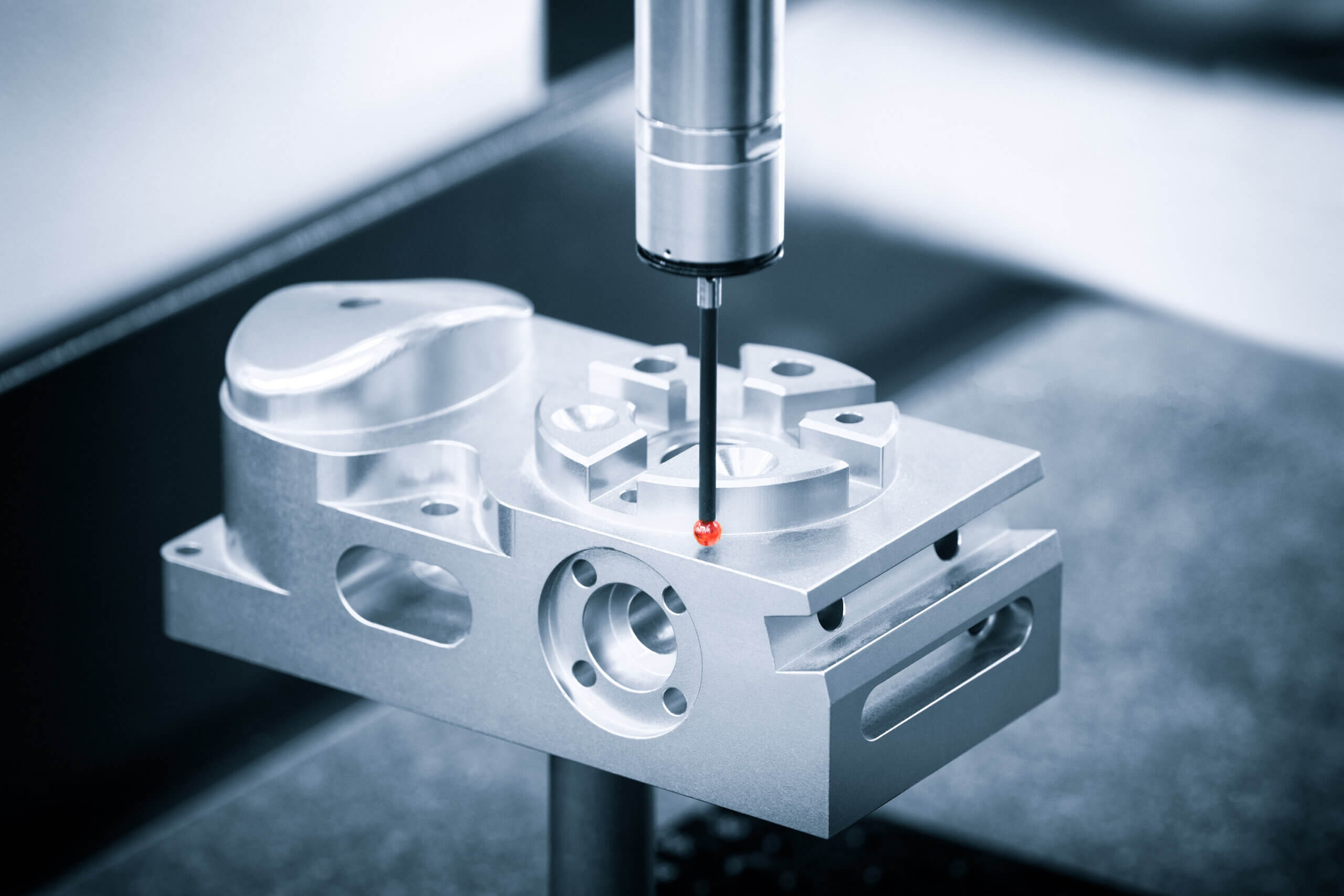
Many teams reduce changeover friction by relying on modular stylus systems that let them reconfigure reach and access while maintaining repeatable probing practices. The sustainability angle is simple: fewer delays, fewer rushed measurements, and fewer bad calls that lead to scrapped parts or unnecessary remakes.
Use CMM Capability as a Sustainability Tool
Coordinate measuring machines (CMMs) are often seen as quality equipment, but they also support sustainability by improving yield. A well-built CMM program can quickly validate critical features, reduce subjective judgment, and standardize results across operators.
That consistency matters because it prevents “false scrap,” in which good parts are rejected due to inconsistent methods or unreliable setups. It also supports faster root-cause analysis, reducing downtime and the number of trial-and-error steps during troubleshooting.
Tie Verification to Sustainability Metric
Sustainability efforts perform better when they are linked to measurable outcomes, such as yield, rework rate, energy use per part, and scrap disposal volume. Verification can support those metrics by reducing defect rates and stabilizing processes, so you run fewer “extra” hours to hit the same output.
It also reduces expedited shipping and emergency production shifts, both of which tend to increase emissions. This process helps you transition to sustainable manufacturing in a way that’s grounded in numbers, not slogans.
A Cleaner Output Starts
If you want greener production, start by reducing the waste you can control today. Early verification, tracking metrics, reliable CMM routines, and flexible probe strategies all push yield upward while cutting scrap, rework, and energy-heavy reruns.
Having smarter verification for sustainable production helps you produce fewer defects in the first place. And when fewer defects leave the cell, you also reduce overtime, expedite shipping, and the extra packaging that comes with “make it again, fast”.