

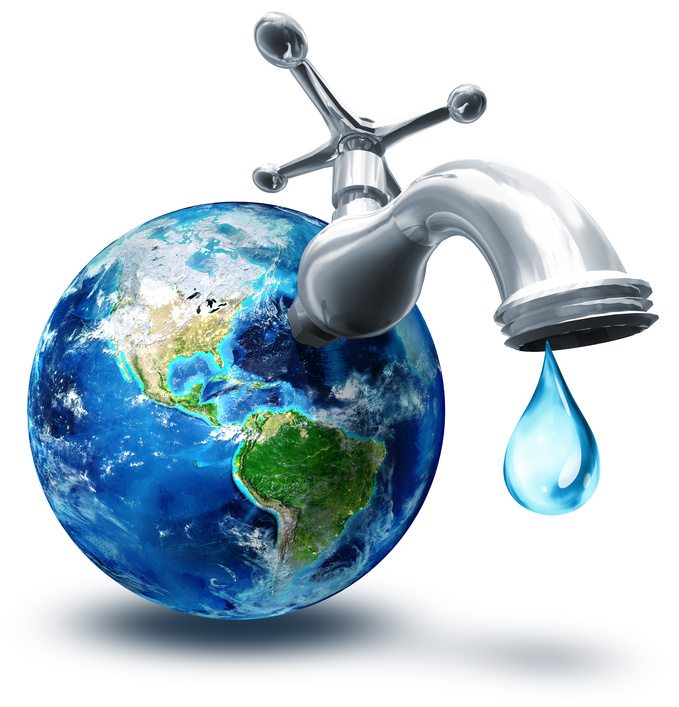
How Public Awareness Can Solve Water Challenges
Turn on the tap. Clear liquid flows out. We rarely pause to question where it comes from or the effort behind it. Yet, shrinking reservoirs and aging pipes demand attention.
By understanding the systems that deliver hydration to our homes, communities can advocate for better policies and technologies. This shift proves how public awareness can solve water challenges by turning passive consumers into active guardians of our most precious resource.
The Invisible Crisis
Most people view water delivery as magic. This detachment leads to waste. When residents understand that clean water requires energy, chemical treatment, and massive infrastructure, habits change. Shortening showers or fixing leaks becomes a conscious choice rather than a chore.
Municipalities now use smart meters and data to show users their real-time consumption. Seeing the numbers rise motivates households to conserve. Transparency bridges the gap between utility companies and the public, fostering trust and cooperation.
Demanding Better Infrastructure
A knowledgeable populace votes for necessary upgrades. Aging pipes leak millions of gallons daily. When voters recognize this loss, they approve bonds and funding to modernize the grid.
Communities must advocate for long-term solutions rather than quick fixes. Investing in sustainable water infrastructure reduces waste and prepares cities for future droughts. Green roofs, permeable pavement, and rainwater harvesting systems relieve pressure on traditional storm drains.
Industrial Accountability
Awareness extends beyond the tap. Industrial byproducts threaten groundwater safety if factories ignore regulations. We must hold industries accountable for what they release into the environment.
Specifically, H₂S removal is critical for maintaining safety standards. Hydrogen sulfide corrodes equipment and has a strong odor, but proper treatment eliminates these risks before the water reaches a municipal pipe.
Preventing Pollution at Home
Residents also control what enters the system. Pouring grease or harsh chemicals down the drain complicates the treatment process. Education campaigns teach households to dispose of hazardous materials correctly, easing the burden on local treatment plants. Small changes in disposal habits prevent massive clogs and chemical imbalances downstream.
Making Every Drop Count
Solving the global water crisis requires more than engineers and scientists. It demands an engaged society. From reporting leaks to supporting green legislation, individual actions collectively have a significant impact. We must continue spreading the word. Thus, recognizing that public awareness can address water challenges inspires hope that we can secure a hydrated future for the next generation.