

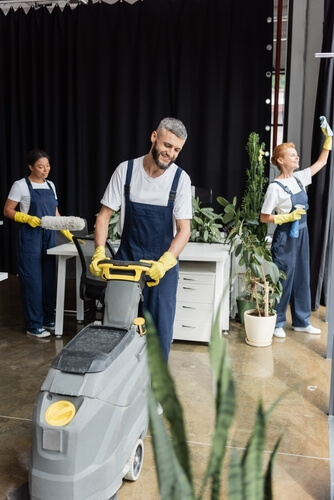
The Future of Franchised Cleaning Services: Sustainability as a Selling Point
From office buildings and schools to medical facilities and retail locations, commercial cleaning plays a critical role in maintaining safe, professional environments.
As demand for outsourced cleaning grows, so does competition among providers, making differentiation more important than ever. One of the strongest differentiators emerging in today’s B2B market is sustainability. Businesses are increasingly evaluating vendors based not only on cost and performance, but also on environmental responsibility.
Eco-friendly cleaning is no longer seen as an optional upgrade. It is becoming a standard expectation tied to employee wellness and brand reputation.
As a result, franchised cleaning services that adopt sustainable practices are positioning themselves for long-term growth. Sustainability is not just a trend in the cleaning industry. It is becoming a selling point that drives client trust, operational efficiency, and market relevance.
Why sustainability matters in the cleaning industry
Growing demand for eco-friendly services
Organizations across industries are actively seeking cleaning providers that can support their sustainability goals. Corporate offices, universities, healthcare facilities, and commercial properties are increasingly requesting green cleaning protocols as part of vendor agreements.
This demand is driven by a shift in priorities.
Many businesses now have sustainability benchmarks tied to leadership goals, employee satisfaction, and investor expectations. When companies select service providers, they often look for partners who align with their broader environmental values.
Green cleaning is especially appealing to organizations that want to reduce exposure to harsh chemicals, improve indoor air quality, and create safer environments for employees and visitors. For cleaning franchises, this creates a clear opportunity.
Sustainability is not just a nice feature. It is becoming a deciding factor in contract selection.
Environmental and social impact
Cleaning services have a direct environmental footprint. Traditional methods often rely on chemical-heavy products, disposable supplies, and inefficient equipment that increase water and energy use. Over time, these practices contribute to unnecessary waste and pollution.
Sustainable cleaning practices help reduce:
- Chemical runoff and water contamination
- Indoor air pollution from harsh fumes
- Plastic waste from disposable products and packaging
- Overuse of water in cleaning processes
From a social perspective, eco-friendly practices can create healthier workplaces.
Employees benefit from fewer respiratory irritants, reduced exposure to toxic substances, and improved overall indoor comfort. Sustainability in cleaning impacts more than the environment. It directly influences the well-being of workers and building occupants.
Regulatory and market pressures
Sustainability is also being driven by regulation and industry standards.
Green building certifications, such as LEED, often require or encourage environmentally responsible cleaning practices. Some organizations also face sustainability reporting requirements that extend to vendor selection.
Environmental regulations and compliance expectations vary by region, but the direction is consistent: businesses are expected to reduce chemical use, lower emissions, and demonstrate sustainable operations. Franchises that adapt early are better prepared to meet evolving requirements and remain competitive as sustainability standards tighten.
Sustainability as a B2B selling point
Differentiation in a competitive market
The cleaning industry is crowded, and many providers offer similar services. Sustainability allows franchises to stand out by offering a value proposition beyond basic cleaning performance.
Eco-conscious cleaning services appeal to corporate clients seeking to demonstrate responsibility and protect their reputations. Businesses increasingly want vendors who can help create cleaner environments without causing additional environmental harm.
A franchise that can explain its green practices, products, and measurable impact gains a competitive edge in a market where clients are looking for credible sustainability commitments.
Operational benefits for franchise owners
Sustainability is not only attractive to clients. It also benefits franchise owners. Energy-efficient equipment often reduces long-term operational costs. Modern cleaning machines can use less water, reduce chemical dependency, and increase productivity. Eco-friendly products can also improve worker safety, reducing health risks and potential liability.
Operational benefits may include:
- Lower product waste and replacement costs
- Reduced chemical storage and handling risks
- Improved employee retention due to safer working conditions
- Greater efficiency through optimized scheduling and equipment use
Sustainable practices can improve both profitability and operational stability.
Building credibility with clients
In B2B markets, credibility is everything.
Corporate clients want proof, not vague marketing claims. Franchises that document sustainability practices and provide measurable reporting build trust.
Credibility can be strengthened through:
- Clear product standards (non-toxic, biodegradable, low-VOC)
- Waste reduction policies
- Training programs for staff
- Transparency about processes and materials used
Franchises that can demonstrate consistency across locations are especially appealing to large commercial clients that require uniform service quality.
For those exploring a scalable business model in this space, a cleaning franchise that prioritizes sustainable operations reflects how modern cleaning businesses are evolving to meet both client demand and environmental responsibility.
Key sustainable practices in franchised cleaning
Green products and supplies
The foundation of sustainable cleaning begins with the products used.
Eco-friendly franchises often adopt non-toxic, biodegradable cleaning agents that reduce harmful residue and improve indoor air quality. Low-VOC products are especially important in enclosed commercial spaces where chemical fumes can linger and affect employee health. Using safer products helps protect both workers and building occupants.
Energy and water efficiency
Cleaning equipment has advanced significantly in recent years. Modern vacuums, floor scrubbers, and steam cleaning systems can reduce water usage and improve efficiency.
Sustainable franchises may implement:
- Equipment that reduces water consumption
- Energy-efficient cleaning machines
- Scheduling strategies that reduce unnecessary repeat visits
- Process improvements that minimize product waste
Efficiency improvements support sustainability goals while lowering operating costs.
Waste reduction and recycling
Waste reduction is another key element. Cleaning services often generate significant packaging waste, disposable supply waste, and improperly discarded materials.
Sustainable franchises may address this by:
- Minimizing single-use supplies
- Purchasing in bulk to reduce packaging
- Using reusable microfiber systems
- Implementing recycling programs for clients
- Ensuring proper disposal of cleaning materials
These practices reduce landfill contributions and align with corporate sustainability expectations.
Trends shaping the future of green cleaning franchises
Several trends are accelerating sustainability in cleaning services.
Corporations are adopting stricter environmental standards, making green cleaning a competitive requirement rather than a differentiator. Technological innovation is also expanding, with new equipment designed to reduce chemical dependency and improve efficiency.
At the same time, consumer and investor awareness is influencing corporate decision-making. Many organizations want to demonstrate environmental responsibility across their entire supply chain, including outsourced services. As these trends continue, green cleaning franchises will likely expand across industries and geographic markets.
Challenges and considerations
Despite its advantages, sustainability does require investment.
Franchise owners may face higher initial costs for eco-friendly products and advanced equipment. Staff training is also essential. Sustainable practices must be applied consistently across locations to maintain credibility and client trust.
Educating B2B clients can be another challenge. Some organizations may still prioritize short-term pricing over long-term value. Clear messaging and evidence-based benefits help overcome this barrier. The franchises that succeed will be those that treat sustainability as a core business model rather than a marketing add-on.
Sustainability is the future of franchised cleaning
Sustainability is reshaping the cleaning industry, and franchised providers are well-positioned to lead that shift. Eco-friendly practices reduce chemical use, waste, and water consumption while creating healthier workplaces and supporting community wellbeing.
As B2B demand for environmentally responsible services continues to grow, sustainability will remain one of the most powerful selling points in the industry. This means a cleaning franchise that prioritizes eco-conscious operations is not only positioned for profitability but also for long-term relevance in a rapidly evolving market.