

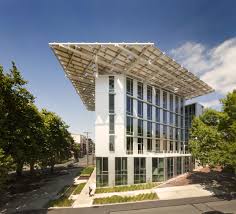
From Smart Tech to Sustainability: 6 Practices Revolutionizing Modern Buildings
The construction world is transforming rapidly. Constructions are no longer only walls and roofs – it is becoming breathing and living that is meant to save energy, be more comfortable and that which is more concerned with the planet. Sustainability is central to the current architecture whether it is in offices and apartments or in massive commercial rooms.
Customers are now adopting a smarter, more environmentally friendly construction and renovation process both at home and at business. It is an intelligent automation process, recycled material or energy-efficient design, but the shift is evident everywhere. And it particularly becomes obvious in the areas that are interested in the environment-friendly growth and home renovations Delta, where innovation and environmental values are inseparable.
We will discuss the six intelligent green building practices transforming how we design, build, and live.
1. Smart Energy Systems
Smart energy management is one of the most significant disrupters of modern construction. The current structures have a system that automatically regulates lighting, temperature, and even water consumption based on occupancy and the time of day.
The LED lighting, smart thermostats, and motion sensors all collaborate to minimize energy wastage. These systems not only reduce the electricity bills but also provide a more comfortable and sustainable place to live.
To homeowners, efficiency and transparency are achieved by being able to monitor and control their energy usage with mobile applications. It is a step towards a future where the buildings will think by themselves – and care about the planet simultaneously.
2. Sustainable Building Materials
Gone are the times when the only alternatives were concrete and steel. The current constructors are incorporating eco-friendly materials such as bamboo, recycled metals, reused wooden pieces, and low-VOC paints. The materials reduce environmental impact and also enhance healthier indoor air quality.
Recycled glass countertops, cork flooring, and recycled denim insulation are only a few examples of how the concept of sustainability is incorporated in every niche of modern design.
The sustainable materials used in the selection also help minimize landfill waste and carbon emissions. The result? Strong and beautiful structures that are friendly to the people and the environment.
3. Energy-Efficient Design and Architecture
The intelligent design starts way before the first brick is laid. The designers are even concentrating on natural lighting, insulation, and ventilation to design buildings in a manner that is energy efficient.
Maximum sun is provided by large windows facing to the right, and the heat loss is minimal. Appropriate insulation and windows that are double-glazed are useful in conserving the temperatures indoors to minimize artificial cooling or heating.
Such a simple thing as the color of the roofs, which is light, can create a reflection and prevent the interiors from being too hot in summer. Such design options might appear insignificant, yet they lead to a gigantic change in the sustainability of the long run.
4. Water Conservation Technology
Water is a resource that is highly treasured, and smart buildings are devising innovative methods of utilising it in the most effective way. Low-flow faucets, dual flush toilets, and rainwater harvesting systems are being installed in modern plumbing systems.
Recycling greywater is also increasingly gaining popularity, which means that sinks and showers can be used to provide irrigation or toilet flushing.
Furthermore, there is the concept of xeriscaping (landscaping using drought-tolerant plants), which reduces the amount of water used outside the house. This conserves money and it also spares pressure on local water sources – a necessary move towards a sustainable city life.
5. Green Roofs and Vertical Gardens
The urban environment is getting denser and green space is going down; however, there is still a creative way out that is green roofs and vertical gardens, discovered by architects.
These living installations introduce plant cover on rooftops and building exteriors. They also serve as natural insulators, and therefore make buildings cooler and filter air pollutants, as well as reducing noise.
In addition to the positive environmental effects, green roofs are a form of refreshing contact with nature in an urban environment. Think of being able to rest in a rooftop garden, in the midst of an urban city, and being surrounded by greenery; that is the new benchmark of contemporary, conscious design.
Office buildings are also characterized by the existence of vertical gardens. They enhance the air quality, the level of stress, and the visualization of inside spaces. Beauty and functionality make them an ideal example of a sustainable innovation.
6. Renewable Energy Integration
Sustainable construction would not be discussed without renewable energy. Solar panels, wind turbines, and geothermal systems are becoming common in commercial and residential buildings.
There has been a fast adoption of solar energy. The panels are now able to power a whole house mounted to the roof or provide power back to the grid. In the meantime, the small scale wind and geothermal heating systems offer long-term clean energy sources.
When designing, it is possible to integrate renewable energy systems to enable convenient functioning and reduce the cost of the lifetime. With the price of technology dropping, more buildings will be able to produce their own clean energy without necessarily depending on the external source of power.
Building Smarter, Living Better
The most interesting thing about all these practices is that they combine technology and sustainability. Going smart in buildings is not merely about being eco-friendly, but rather it is about how to create the spaces that are responsive to human needs and enhance their quality of life, and even to endure over time.
The idea is the same, be it a single-family house or a high-rise: build in a responsible manner, minimize waste, and use resources in a reasonable way. The change in the direction of smarter, greener buildings is not a fad; it is the new cornerstone of modern construction.
Conclusion
The concept of sustainability and smart technology is changing the way that we construct, refurbish, and reside. Through these six practices, which involve renewable energy to water conservation, the builders and the occupants of houses can make a difference that will last to serve the generations to come.
In places in British Columbia and elsewhere, progressive thinkers such as renovation contractors in Surrey BC are already applying these measures to design environmentally friendly places that are beautiful and effective.
Green building methods will keep on dominating the skylines and houses of the future, which will be smarter, cleaner, and more sustainable than ever.