

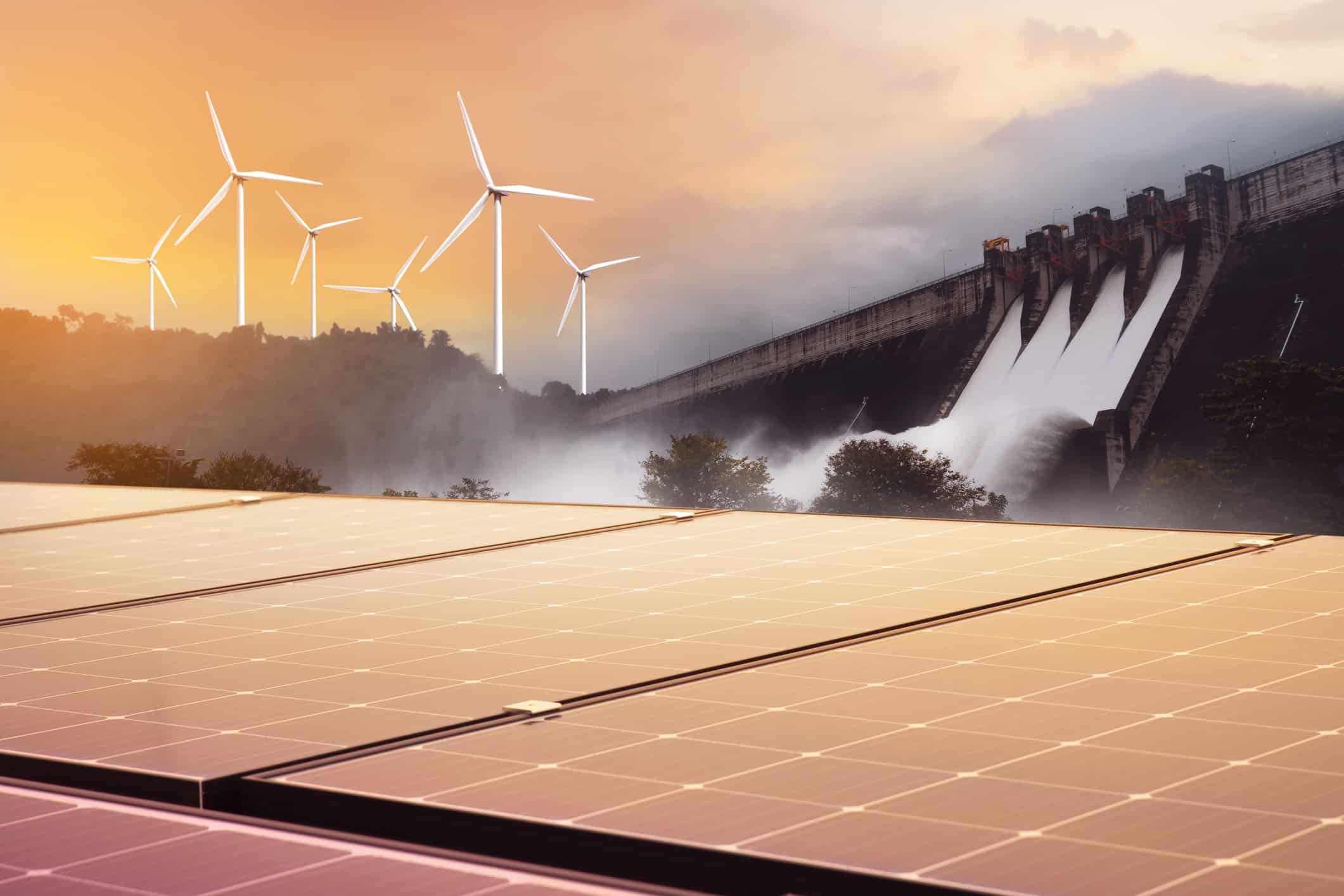
How Renewable Energy Companies Can Build Trust Through Transparent Marketing
Renewable energy marketing is not really about shouting about how green a company is. It is about slowing things down and explaining complicated ideas in a way that real people can trust. Clean energy products often come with long contracts, unfamiliar technology, and decisions that last for years, sometimes decades. When people feel rushed or confused, trust disappears quickly.
Over the years, audiences have also grown tired of vague sustainability claims. Many buyers now arrive already sceptical, having seen too many promises that sounded good but lacked proof. This is where transparency becomes essential, not as a trend but as a mindset.
In this article, we will look at how renewable energy companies can market responsibly, how the four Ps of green marketing apply in practice, what actually helps promote clean energy, and why honest communication quietly outperforms louder marketing in the long run.
What Is Renewable Energy Marketing?
Renewable energy marketing is how clean energy companies communicate what they offer, how it works, and the realistic impact it can have. It focuses less on persuasion and more on understanding. The goal isn’t to impress but to inform.
This approach is very different from traditional energy marketing or even SaaS marketing. Renewable energy occupies a sensitive space where technology, regulation, and public trust intersect. Buyers are not only evaluating a product. They are weighing risk, credibility, and long-term outcomes.
Transparency is non-negotiable in this sector because:
- Sales cycles tend to be long and complex
- Regulation and public scrutiny are constant
- Decisions rely heavily on data and projections
- Trust influences adoption far beyond a single sale
When messaging does not match reality, it creates friction that no campaign can fix later.
What Are the 4 Types of Renewable Energy? (Context for Marketing)
Before marketing renewable energy, people need to understand what type of energy they are being offered. Each source comes with its own strengths, concerns, and questions. Treating them as interchangeable usually creates confusion.
Solar Energy
Solar energy includes rooftop systems, utility-scale projects, and community solar programs. It is familiar but often misunderstood. Many buyers struggle to understand return on investment, incentives, and real performance expectations.
Transparent solar marketing means showing how location, usage, and system design affect outcomes—not just highlighting the best possible scenario.
Wind Energy
Wind energy exists both onshore and offshore, and while it is highly efficient, it often faces public resistance. Visual impact and land use concerns are common topics.
Marketing that acknowledges these concerns rather than brushing them aside tends to build greater trust with communities.
Hydropower
Hydropower is often positioned as stable and reliable, and that reputation is earned. Still, honest marketing also discusses environmental trade-offs and ecosystem impact.
Ignoring these details can weaken credibility with informed audiences.
Bioenergy (Biomass and Biogas)
Bioenergy is frequently framed as waste-to-energy, which sounds appealing. But messaging must be careful. Source materials, emissions, and lifecycle impact matter here.
Clear explanations help avoid accusations of greenwashing and set realistic expectations.
How to Market Renewable Energy
Marketing renewable energy works best when it feels like guidance, not persuasion.
Lead With Education, Not Claims
Instead of leading with benefits, start by explaining how the technology works. Use simple language, visuals, and tools that help people follow along.
When buyers understand the system, trust follows more naturally.
Show Proof Before Promises
Data, certifications, and third-party validation should come before bold statements. Avoid broad terms like “eco-friendly” unless you define them precisely.
Specific proof always feels safer than sweeping claims.
Align Marketing With Real Impact
Marketing should reflect what actually happens in the field. If performance depends on geography or assumptions, state it clearly.
Many renewable energy brands partner with marketing specialists like twentytwo&brand to ensure messaging stays aligned with operational reality, not just ideal outcomes.
Build Trust Assets, Not Just Campaigns
Trust is built over time. Impact pages, methodology explanations, and honest FAQs do more than short-term promotions ever will.
They show confidence, not perfection.
The 4 P’s of Green Marketing (Applied to Renewable Energy)
The four Ps of green marketing help bring structure without forcing exaggeration.
Product
Be specific about what is being sold, whether it is an energy contract, a physical system, or a service; clarity matters. Limitations should be mentioned, not hidden.
Price
Pricing should reflect the total cost of ownership. Incentives and savings are essential, but timelines and conditions matter just as much.
Avoid language that sounds free but feels misleading later.
Place
Energy is local by nature: grid access, climate, and policy shape outcomes. Marketing should respect those differences.
Promotion
Promotion should rely on evidence, not emotion alone. Sustainability language works best when it informs instead of pressures.
The 4 P’s of Green Marketing: Renewable Energy Examples
| P | What to Do | What to Avoid |
| Product | Clearly define an energy source | Vague green labels |
| Price | Show real savings and timelines | Hidden fees |
| Place | Explain geographic constraints | Overgeneralization |
| Promotion | Support claims with data | Unverified claims |
What Can We Do to Promote Renewable Energy?
Promotion becomes effective when it feels genuinely helpful.
Content Marketing
Educational blogs, explainers, and myth-busting content help reduce confusion. Case studies are most effective when they include real numbers and context.
SEO for Renewable Energy
Strong SEO focuses on topic depth, location relevance, and authority. Answering fundamental questions builds visibility and trust together.
Social Media and Community Engagement
Sharing behind-the-scenes updates and responding openly to criticism signals transparency. Silence often creates more doubt than honest answers.
Partnerships and Advocacy
Collaborating with local governments, NGOs, and industry groups adds credibility and shared accountability.
Sales Enablement
Clear proposals, accessible proof, and transparent assumptions help buyers feel confident, not pressured.
Avoiding Greenwashing Through Transparent Marketing
Greenwashing is not just a reputation issue. It is a growth risk.
Common Greenwashing Mistakes
Vague claims, missing evidence, and ignoring lifecycle impact are the most common mistakes companies make.
How Transparency Builds Competitive Advantage
Transparent companies build trust faster, attract better-aligned leads, and reduce long-term risk.
Simple Transparency Framework
- Claim
- Evidence
- Disclosure
- Review
- Update
Following this sequence keeps marketing honest and adaptable.
Conclusion: Why Transparent Renewable Energy Marketing Wins
Trust drives renewable energy adoption. Transparent marketing reduces friction, builds confidence, and creates stronger relationships over time.
The companies that succeed long-term are not the loudest. They are the most honest, consistent, and willing to explain what they do clearly.
In renewable energy marketing, transparency is not a limitation. It is what makes growth sustainable.