


5 Cooling Upgrades Cities Need for Extreme Heat
Nowadays, cities are experiencing an increasing number of severe hot days, and therefore their infrastructure, energy systems, and health services are easily strained. Compact urban planning and heat-absorbing surfaces increase the threats, particularly in areas with less shade or no access to cooling.
To respond effectively, cities require cooling enhancements that can be rolled out swiftly while also supporting resilience over the long term. The next steps emphasize implementing workable solutions to address extreme heat at both the neighborhood and city levels.
District Cooling with Thermal Storage for Civic Campuses
One way district cooling systems might help is by giving local municipal agencies the option to centralize their cooling services. It would thus be possible to coordinate the cooling of multiple buildings simultaneously.
Basically, chilled water is produced at one plant and delivered via underground pipes, allowing cities to run their systems without doubling their equipment and improving efficiency. Also, for city campuses, such systems not only simplify maintenance but also ensure circulating cooling.
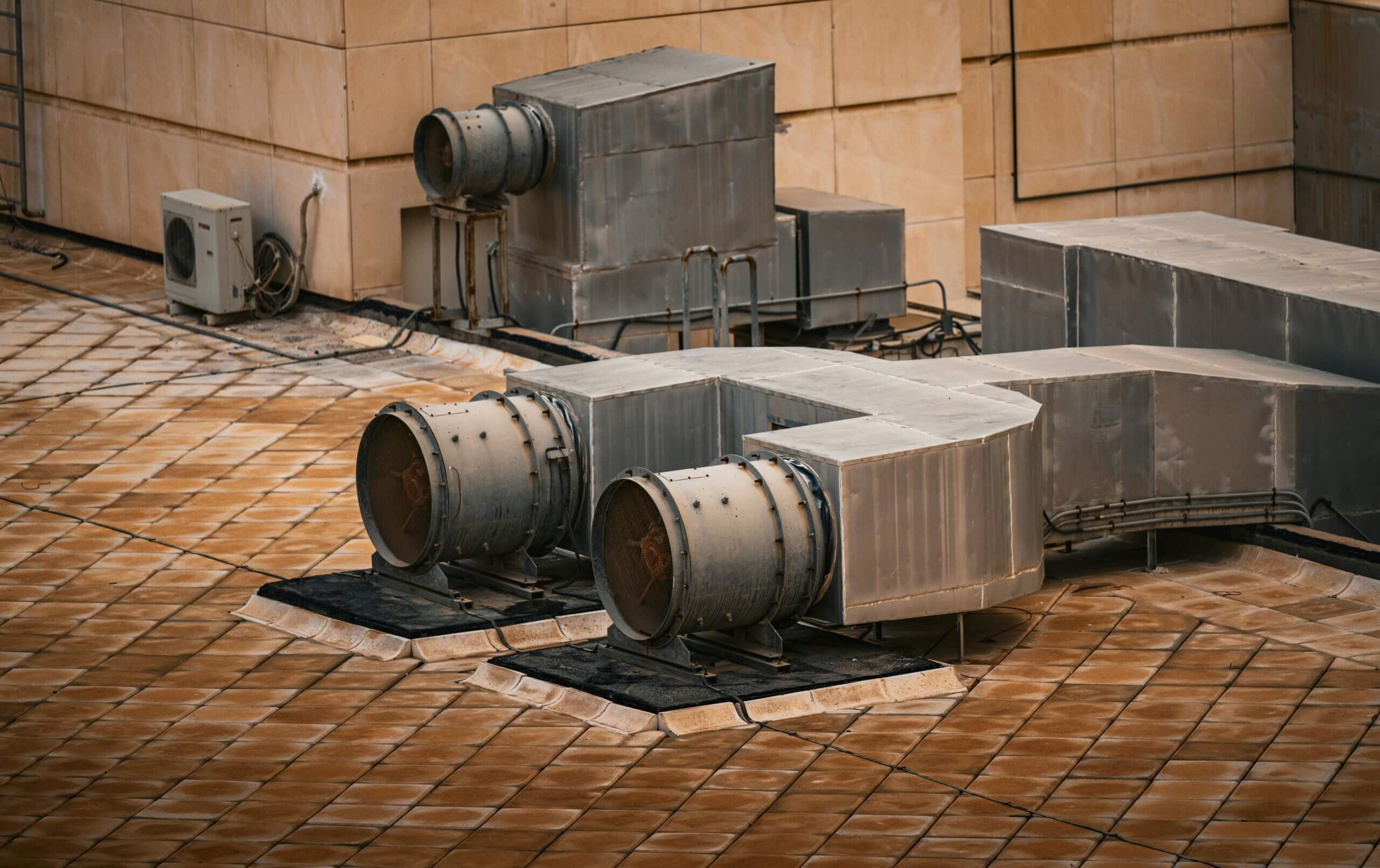
Often, ancillary equipment, such as low-maintenance back-of-house machines, not only supports the cooling supply but also helps maintain the facility’s level of service with fewer staff changes and downtime, even as the cooling network expands.
Grid Responsive Building Controls to Reduce Strain
Extreme heat events often lead to the simultaneous use of air conditioning across an entire city. Grid-responsive building controls help manage grid demand surges while ensuring occupants’ comfort is not compromised.
Such systems adjust the cooling level automatically based on the grid’s condition. Minor, short-term temperature fluctuations can lead to significant load reductions when many buildings produce them. On a citywide scale, such load reductions can be sufficient to postpone or prevent grid failures.
Retrofitting existing buildings with responsive controls typically involves sensors, automation software, and integration with utility signals. Cities that support these upgrades improve resilience while avoiding costly expansions of power generation capacity.
Heat Safe Community Hubs With Hydration and Ice Access
Community locations are very important during heat waves. People without air conditioners in their homes may rely on places like libraries, recreation centers, clinics, and shelters to cool down.
Providing a good hub means giving access to shade, clean drinking water, and ice for drinking and emergency cooling. The best way to maintain a consistent ice supply is to use equipment that can run continuously with minimal human involvement, particularly during heat waves.
Cool Roofs and Urban Shade to Lower Surface Temperatures
Surface heat reduction remains a highly effective and economical cooling method. Cool roofs use highly reflective materials that can significantly reduce indoor temperatures and lower ambient air temperatures.
Besides, installing shade structures along sidewalks, at transit stops, and playgrounds can effectively reduce exposure to direct sunlight and make the environment more comfortable daily. Tree canopies and other types of green infrastructure are excellent for reducing heat buildup and, at the same time, provide additional environmental benefits.
When cities integrate reflective surfaces with shaded areas, they often experience lower cooling energy consumption and improved pedestrian safety. At the same time, these measures turn public spaces into places people can comfortably use even during periods of very high temperatures.
Cooling as Essential Urban Infrastructure
Extreme heat is no longer just a sporadic challenge. It has become a characteristic of contemporary city life, demanding solutions at the infrastructural level.
District cooling systems, adaptive control technology, community facilities, and surface cooling can collectively give the best outcomes. Different tiers are tackling different types of risks, for instance, the electrical grid’s reliability or public health protection.
Cities planning for cooling can adapt major infrastructure, protect their people, and combat rising heat in an environmentally friendly way. With the worldwide escalation of heat, it is the cities that plan that will decide where it is still possible to live.