


5 Environmental Benefits of Going Cashless
Most people purchase goods using physical money with little regard for the impact it has on the planet. Yet, dollar bills carry a substantial environmental price tag, including high resource consumption and an extensive paper trail through an intricate distribution network.
As consumers transition to digital transactions, the benefits of a cashless society on the world’s natural resources and climate are becoming apparent. The following five environmental benefits of going cashless are improving the sustainability of payment choices.
-
Reducing Deforestation and Water Usage by Retiring Paper Money
Going cashless combats deforestation and conserves water by eliminating the need for physical money. According to cultural historian Christina Cogdell from the University of California, Davis, manufacturing cash requires raw materials at every stage, from the cotton fields to printing. Recycling and disposal require additional resources.
Water consumption is often the most overlooked impact in currency outputs, especially since older printing facilities require ample water during cleaning cycles for plates and rollers. Retiring paper money decreases water demand from the production chain and protects vital water resources.
-
Slashing Carbon Emissions from Cash Transportation
People don’t usually realize how carbon-intensive a dollar bill’s journey actually is. The most significant environmental impact of cash payments stems from the logistics network involved in their operations.
The cash cycle — the physical transportation of money between banks, businesses and automated teller machines (ATMs) — requires a broad network of armored vehicles that burn fossil fuels. A 2023 study by the European Central Bank found that transporting banknotes accounts for 35% of cash’s total environmental impact, with ATMs responsible for another 37%.
Conversely, digital transactions eliminate the need for physical infrastructure, enabling instant money transfers with a much smaller carbon footprint.
Although the most significant digital impact comes from the manufacturing of payment terminals and cards, the industry is embracing mobile-based alternatives and quick response codes that extend the lifetime of credit card machines and point-of-sale devices, resulting in an even smaller footprint.
-
Increasing Efficiency and Reducing Waste
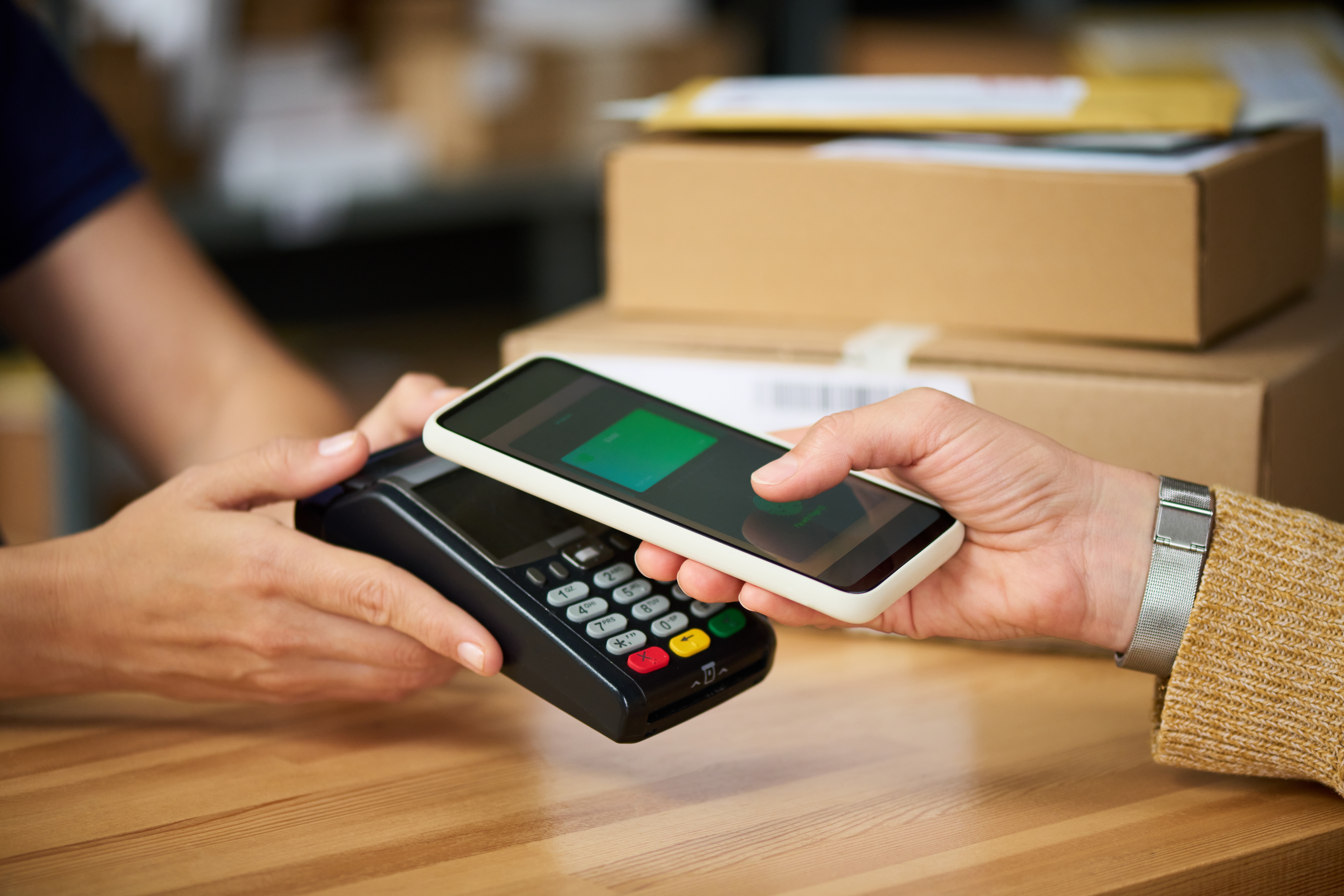
The transition from cash payments has accelerated in recent years, supercharged by the COVID-19 pandemic. By 2024, 41% of people said they never made cash purchases, up from 24% in 2015. This trend is reflected in the rise of digital wallets, such as Venmo, which experts say will surpass 102 million active users by 2026.
The adoption of electronic payments presents a win for the environment, as it reduces the need for paper receipts, which many people throw away. The efficiency extends to individual consumers and organizations, enabling them to more easily allocate resources where they are needed most and spend less time managing physical cash and records.
-
The Nuances of a Digital Footprint
While the environmental benefits of going cashless are significant, it’s also essential to consider the nuances of a digital footprint. Data centers accounted for 4% of total U.S. electricity consumption in 2024, and this figure is likely to rise as digital transactions become more frequent.
Fortunately, the technology industry is making strides in mitigating the impacts. Companies like e-commerce platform Shopify are improving energy efficiency by running their data centers on Google Cloud, enabling transactions to be 100% carbon-neutral.
Innovations in long-duration battery storage are also creating a positive outlook for greater integration of renewable energy at data centers. The technology is ready for deployment and enables extended storage of green power for eight to over 100 hours, ensuring a more sustainable and reliable energy source.
-
Reducing Waste from Currency End-of-Life
Many might not realize that their dollar bills don’t last forever. Money’s lifespan depends on the denomination and how people use it. For example, larger $100 bills get passed around less frequently than $1 and $5 bills. On average, a $1 bill has an estimated lifespan of 7.2 years, while a $100 bill lasts about 24 years.
Once retired, the worn-out notes are shredded into millions of tiny pieces to prevent counterfeiting and boost quality control. This creates a continuous cycle of production and destruction, generating significant waste.
Some Federal Reserve banks are trying to make the process more sustainable. For instance, the Federal Reserve Bank of Atlanta diverts the shredded money from landfills by reusing it in compost or as fuel. However, shredding and repurposing still require energy.
Shrinking Environmental Impacts One Bill at a Time
The future of finance is as much about making conscious payment choices as it is about convenience. A cashless system reduces resource use, lowers carbon emissions, and creates less waste, shrinking the world’s environmental impact overall. Although the digital footprint requires careful energy monitoring, the transition away from physical money is a net positive for the planet.