


5 Best Practices for More Sustainable Welding
Welding is integral to manufacturing, playing a major role in a company’s operational efficiency, production quality, and environmental footprint. As regulations continue to tighten and consumers place greater emphasis on sustainable production, it is imperative that companies understand the environmental impact of their welding processes and how to address these concerns without affecting long-term costs.
Simply being more wary of equipment choices and making a few incremental changes to daily operational processes can make ethical production a reality. When approached thoughtfully, sustainable welding can aid efficiency, promote safety, and increase profitability.
What Sustainable Welding Actually Means
Sustainability is about optimization and resourcefulness. Businesses must recognize that operations can be sustainable while maintaining output and performance. A well-managed welding operation wastes less material, consumes less power, and creates a safer work environment, all of which bring down operational costs. Minimizing the environmental strain is crucial for operational longevity.
Sustainable welding typically entails reducing energy consumption, minimizing material waste, and extending equipment lifespan. In practice, it could improve multiple dimensions of an enterprise, sitting at the intersection of environmental responsibility and operational efficiency. Below are some ways businesses can improve the sustainability of their welding processes.
1. Optimize Welding Parameters to Reduce Energy Use
Ensure that machines are calibrated optimally for the task at hand. By ensuring settings are not overpowered, electricity consumption and energy waste can be significantly reduced. Manufacturing teams can address this by fine-tuning voltage, current, and wire-feed speeds, thereby reducing energy waste. Being wary of welding parameters also reduces unnecessary wear on equipment.
Bringing in more modern, inverter-based welders and replacing older transformer-based machines are also strong considerations, as newer technologies enable more precise control.
Investing in quality equipment will always pay off in the long term.
2. Choose Welding Processes That Produce Less Waste
Different welding methods generate different levels of waste. TIG welding or advanced MIG techniques create cleaner welds with less splatter. A cleaner welding process means less post-weld material loss, resulting in a less wasteful and more efficient operation.
Another great option is radio frequency welding. The method uses electromagnetic energy to bond materials rather than direct heat, thereby significantly reducing energy consumption. Understanding which process to use for each application is essential in sustainable welding.
3. Improve Material Efficiency and Reduce Scraps
Material waste is one of the most significant problems in commercial welding processes. Poor joint preparation, inconsistent fit-ups, and excessive rework all contribute to higher scrap rates. Improving material-handling processes is the best approach to reducing scrap metal.
Material handling needs improvement to reduce scrap metal waste. Tracking scrap levels and identifying recurring causes helps teams address inefficiencies at the source. Manufacturers can also consider recycling unused metal offcuts and spent consumables. This ensures that unavoidable waste gets handled responsibly.
4. Invest in Longer-Lasting Equipment and Consumables
Using low-quality consumables in welding processes may seem like a good investment up front, but they lead to significant waste and wear out faster. Alternatively, choosing higher-quality wires and electrodes reduces replacement frequency and improves overall quality.
The same principle applies to equipment. Well-maintained machines last longer and require fewer repairs. Regular inspections and preventive maintenance extend equipment life and reduce costs relating to manufacturing replacements. Several companies utilize the Internet of Things to track equipment health in real time and ensure operational needs are met.
5. Reduce Emissions and Improve Ventilation
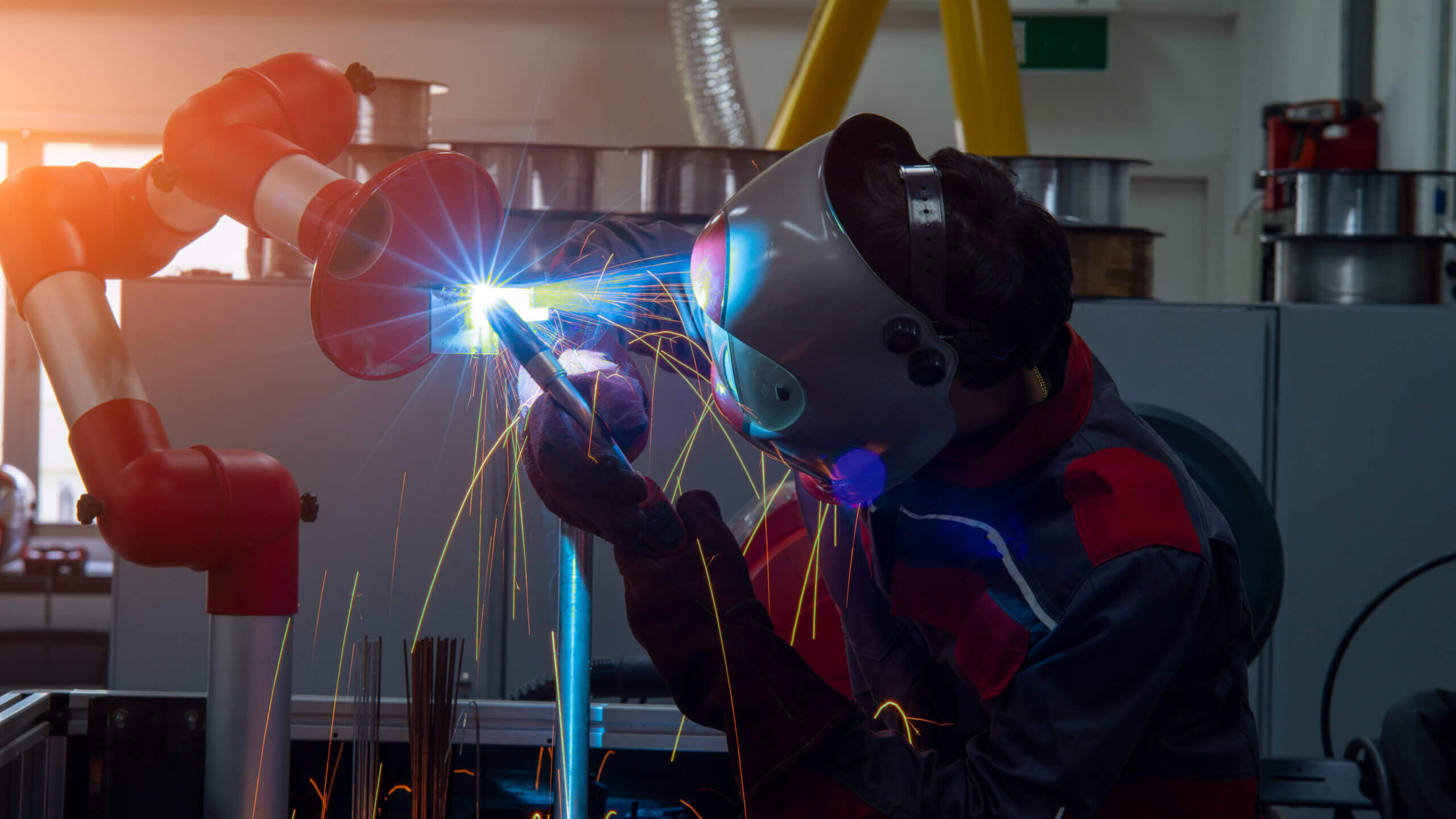
Welding emissions are harmful to the environment and workers. Switching to low-fume consumables will significantly reduce emissions and airborne pollutants. Keeping ventilation systems on lock will ensure that harmful particles are captured and filtered further than entering the environment.
Reducing emissions helps manufacturers stay compliant with workplace safety regulations and keep employees healthy. Higher-skilled employee retention benefits enterprises.
Bringing Sustainability to Your Welding Practices
When enterprises become more vigilant about how environmentally friendly their operations are, they also pay closer attention to efficiency, output, and safety. By refining processes and upgrading equipment where it makes sense, manufacturers can optimize for both sustainability and profitability.
As environmentally conscious operations continue to shape manufacturing expectations, early adopters of sustainable welding practices will be better positioned in the long run.