

5 Sustainable Upgrades That Pay Off in Home Resale and Investment Properties
Sustainability is no longer a niche preference in real estate. Energy efficiency, lower utility costs, and environmental responsibility are increasingly influencing buyer behavior and investor strategy. Whether you are preparing a home for resale or managing an income-producing rental property, sustainable upgrades can directly impact valuation, marketability, and long-term ROI.
Why Sustainable Upgrades Matter
Today’s buyers are more informed. Many actively compare projected operating costs before making purchase decisions. Investors, meanwhile, evaluate improvements not just for aesthetics but for measurable performance gains. Strategic upgrades can increase resale value, strengthen rental demand, and improve cash flow over time.
Property improvements also play a role in how homes are appraised and financed.
Understanding how upgrades influence appraisal outcomes allows investors to allocate capital more efficiently. Understanding your home valuation can help align renovation decisions with long-term equity growth. In fact, investors who prioritize understanding before and after renovations often make more informed capital improvements.
When you take the time to focus on understanding your home valuation, you can better predict how sustainable upgrades may influence future resale potential. With that in mind, here are five sustainable upgrades that consistently offer strong returns.
Energy-Efficient Windows and Insulation
Improving insulation and replacing outdated windows is one of the most practical sustainable upgrades available. Many older homes lose significant energy through drafty windows and poorly insulated walls or attics.
Energy-efficient windows reduce heat transfer, stabilize indoor temperatures, and improve comfort year-round. Proper insulation minimizes energy waste and reduces strain on heating and cooling systems. Together, these upgrades lower monthly utility expenses.
From a resale perspective, buyers increasingly ask about energy performance. Homes that demonstrate improved efficiency often feel more comfortable during showings and inspections. Lower utility bills also serve as a tangible selling point.
For investors, these upgrades reduce operational costs in rental properties and improve tenant retention. Efficient homes tend to attract quality renters who value predictable expenses and comfortable living conditions.
Solar Panels
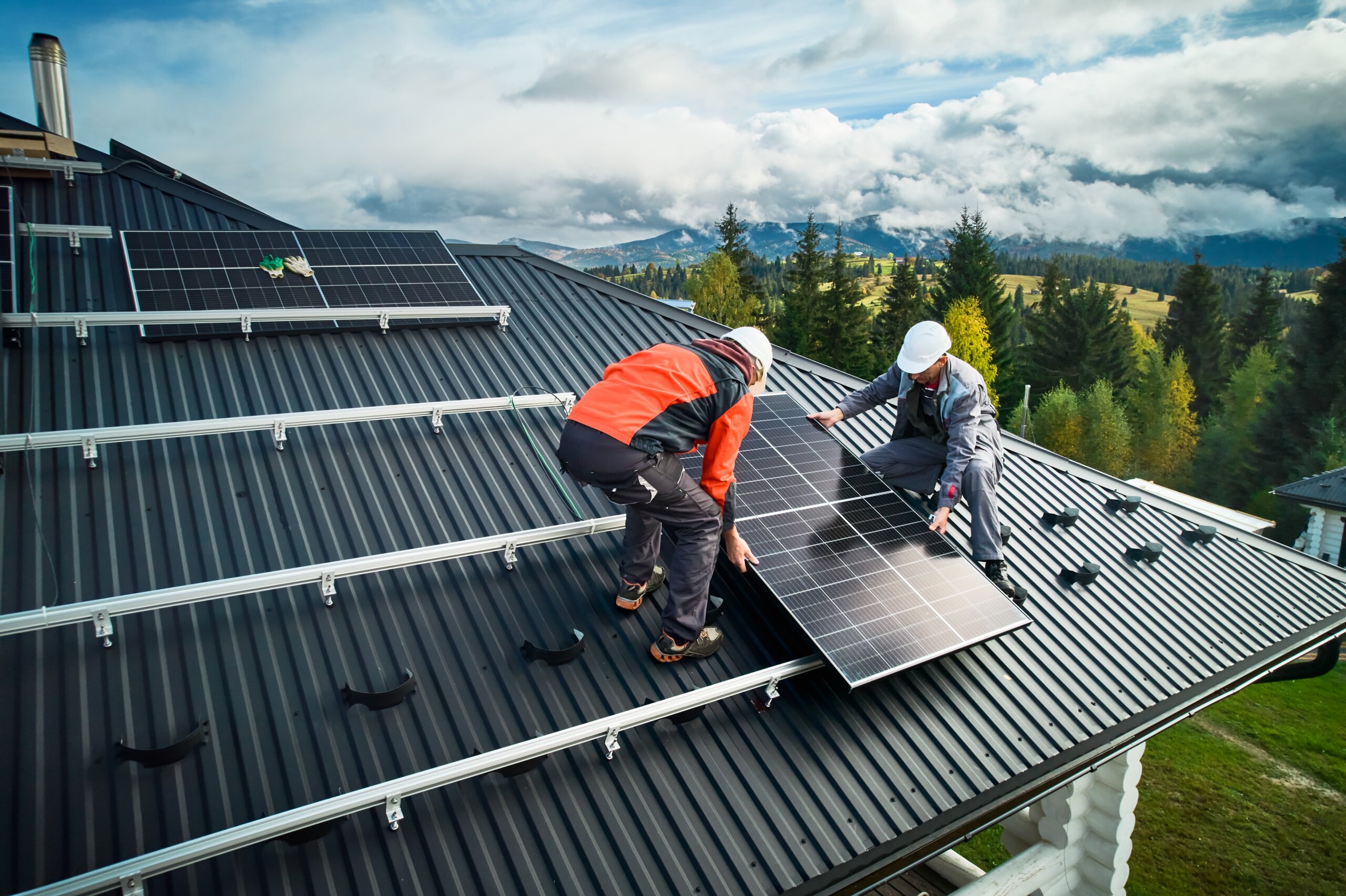
Solar panels remain one of the most recognizable sustainability upgrades. By lowering monthly energy bills and dependence on grid electricity, they provide long-term savings.
Installation costs are partially offset in many areas by tax incentives and rebates. The savings from lower utility costs can eventually yield a significant return on investment. Features related to renewable energy are attracting more and more buyers.
In competitive markets, solar installations can set a property apart, especially in states with high energy costs. Solar panels help lower operating costs on top of increasing long-term profitability for investment properties. Additionally, solar supports general environmental goals as renewable energy systems may have more sway over purchasing decisions as more consumers place a higher priority on sustainability.
High-Efficiency HVAC or Heat Pump Systems
Heating and cooling systems are major components in property evaluations. Replacing outdated HVAC equipment with high-efficiency models or heat pumps can significantly reduce energy consumption, as modern systems operate with improved performance ratings, which can result in overall lower monthly costs. They also offer quieter operation and improved air quality.
For appraisers, mechanical system upgrades matter. The age and condition of HVAC systems are commonly reviewed during valuation. A newer, energy-efficient system reduces the likelihood of near-term replacement, which can support stronger perceived value.
Investors benefit from fewer emergency repairs and improved tenant satisfaction. Lower maintenance risk and improved efficiency combine to enhance cash flow and resale appeal.
Smart Thermostat Installation
Smart thermostats are among the most cost-effective sustainability upgrades. They provide quantifiable energy savings in spite of their comparatively low installation costs.
Depending on environmental factors and occupancy patterns, these systems automatically modify the heating and cooling settings. They minimize energy waste and cut costs by optimizing usage.
Smart home features are frequently seen by buyers as modern conveniences. The technological appeal of a property can be improved with even small improvements. Smart thermostats increase efficiency for investors without requiring a significant outlay of funds. This update provides an excellent illustration of how minor adjustments can promote sustainability and financial gain.
Home Battery Storage Systems
Home battery storage systems represent an emerging sustainability trend. These systems store excess energy—often generated by solar panels—for later use.
Battery storage provides backup power during outages, which is increasingly attractive in areas affected by extreme weather events. It reduces reliance on the grid during peak pricing periods and enhances energy resilience.
From a marketability standpoint, energy independence carries growing appeal. Buyers may see battery systems as forward-thinking investments that provide both security and long-term savings. For investors, battery storage can differentiate properties in competitive rental markets.
Energy resilience features may become increasingly influential as climate considerations shape real estate demand.
How Sustainable Upgrades Impact Property Value and Appraisal
Sustainable improvements affect both tangible performance and buyer perception. Appraisers evaluate upgrades based on their contribution to overall condition, functionality, and market appeal. Energy-efficient systems can:
- Reduce projected operating costs
- Improve overall building condition
- Enhance comparability with upgraded properties
- Strengthen perceived long-term durability
Homes with updated mechanical systems and documented efficiency improvements often present reduced risk profiles to lenders.
Understanding your home valuation as part of their planning process can help you better anticipate how upgrades may influence appraisal outcomes. A clear understanding of your home valuation allows you to allocate capital where it will most positively impact equity growth.
Strategic upgrades that lower operating costs also enhance rental performance. Lower monthly expenses improve tenant affordability, reduce vacancy risk, and support higher net income.
The Rental Premium Advantage of Energy-Efficient Properties
Sustainable upgrades don’t just support resale—they can directly increase rental performance. Tenants are increasingly aware of utility costs, and energy-efficient properties often command stronger demand in competitive rental markets.
Lower monthly bills make units more attractive, especially as energy prices fluctuate.
Properties with documented efficiency improvements may justify slightly higher rents while still offering tenants long-term savings. Over time, this can improve net operating income and overall asset value. Investors who factor sustainability into their rental strategy often see the benefit in reduced vacancy rates and more stable tenant retention.
Sustainability as a Strategy for Higher Returns
Sustainable upgrades are more than environmentally responsible choices—they are practical investment tools. Energy-efficient windows, solar panels, high-efficiency HVAC systems, smart thermostats, and battery storage each contribute measurable financial benefits.
These improvements reduce operating costs, enhance buyer appeal, and strengthen long-term property performance. They also align with shifting consumer expectations toward efficiency and resilience. By combining sustainability with thoughtful financial planning, property owners can position their assets for stronger resale outcomes and improved investment returns.
Sustainable upgrades are not simply trends; they are strategic decisions that support long-term equity growth and market competitiveness.