


How Neglected Home Systems Create Watershed Problems
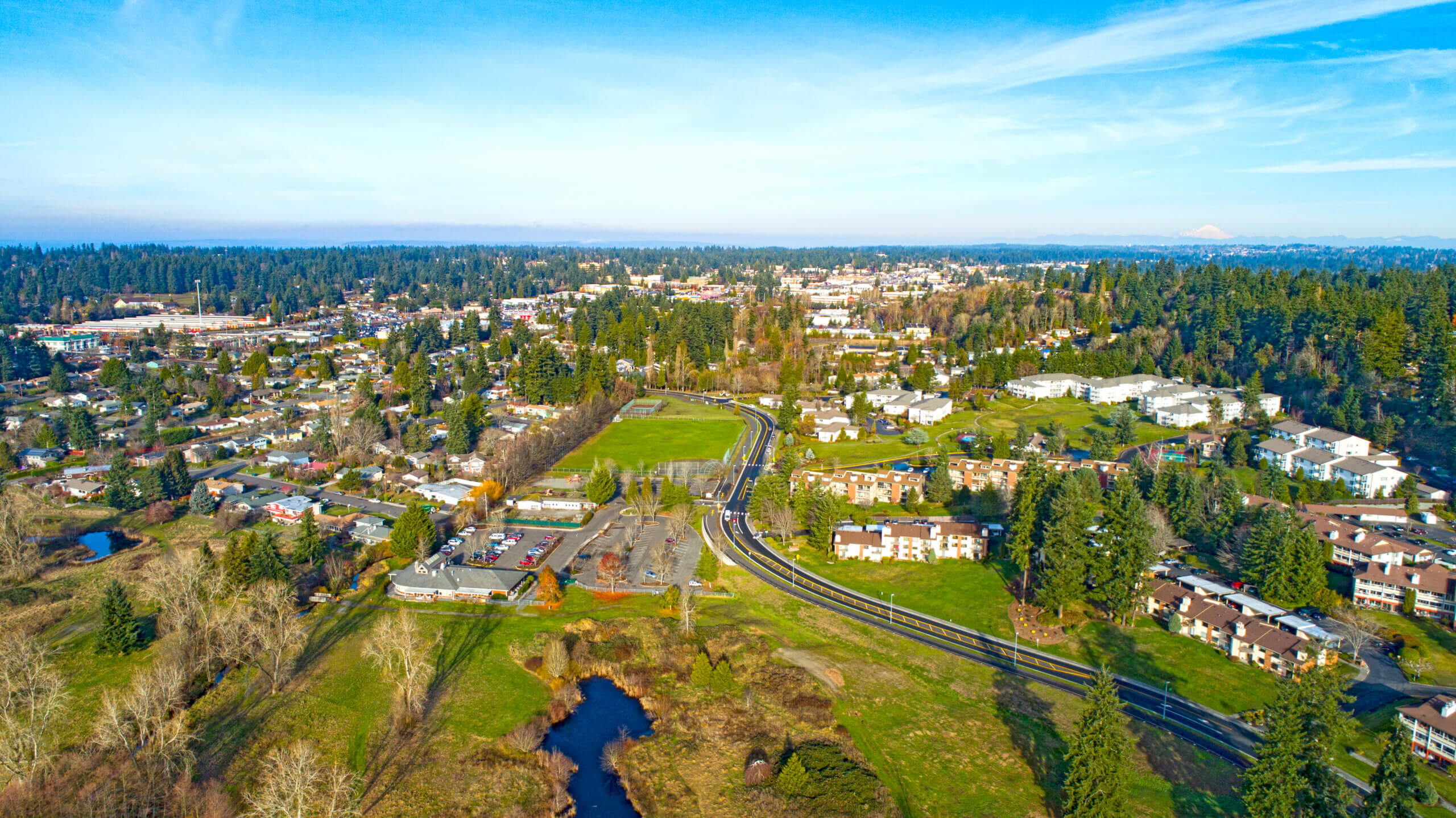
A watershed is an area of land that catches rain or snow and drains it into a shared body of water, such as a local stream or lake. Your yard is a part of this interconnected land area, and any water that flows off your property eventually feeds into your community’s broader water system.
That means your neglected home maintenance tasks can turn a backyard puddle into a major watershed problem for your area.
What Neglected Home Systems Contribute to Runoff?
Unmanaged stormwater picks up dirt, debris, chemicals, and other contaminants, reducing its water quality before it eventually reaches and pollutes reservoirs and ecosystems. Problems start when the systems meant to handle this compromised water are not working as intended.
Mismanaged Roofs and Downspouts
A standard roof can shed gallons of water in a matter of minutes during a rainstorm. If your downspouts are pointing directly at your concrete driveway instead of a grassy area, that water instantly becomes unmanaged runoff.
Missing or improperly placed downspout extensions can escalate the problem. They can dump all that roof water in concentrated areas and overload the soil’s capacity to absorb it.
Damaged Gutters
Gutters catch roof runoff and guide it safely to the downspouts. When you neglect this system, it can fail at its job. Leaves and other debris can cause a blockage, or structural cracks can divert moisture somewhere else.
Instead of a controlled flow, water spills over the gutters’ sides like a waterfall, pounding the earth below. It can pool against your home and wear away the structure over time. Plus, the stagnant water can introduce harmful moisture into your basement.
Improper Yard Grading
Your yard’s slope dictates where the water travels. Proper grading helps direct water safely into absorptive zones like garden beds or swales. Note that the soil settles over time. A yard that once sloped away from the house might now form low-lying depressions.
These can trap water, which could drown native plants and turn the area into a mosquito breeding ground.
The Role of Compacted Soil in Stormwater Overwhelm
The condition of your yard’s soil dictates whether rainwater gets absorbed or turns into runoff. After a rainstorm, check your yard. If you notice that your lawn stays wet for days after it rains, you likely have compacted soil. This persistent sogginess means the ground has lost its natural sponge-like qualities.
Soil compaction is a major environmental stressor that can diminish root development and plant health throughout your yard. Without deep, healthy roots, your lawn loses its ability to filter pollutants and absorb future rainfall, which can worsen runoff.
When Personal Neglect Scales Up to Systemic Failures
Shift your perspective from your yard to the entire neighborhood. Consider your localized runoff, with its roof bacteria, eroded soil, and lawn chemicals. It’ll join the runoff from other homes that might have similarly neglected systems.
This massive, combined volume of water flows into municipal storm drains, overwhelming the local water management infrastructure. Compounded issues can lead to community-wide flooding and polluted waterways while also compromising the area’s watershed, affecting everyone.
Fostering Collective Resilience and Climate Adaptation
You can turn your yard from a runoff contributor into a climate adaptation tool. Simple fixes like adding compost to your lawn can break up compacted soil and allow it to hold water again.
If you want a more eco-conscious upgrade, consider building a rain garden in your yard or in a community space. It naturally collects and soaks in rainwater before it can run off into the street or overwhelm your soil. This natural filtration system also helps prevent localized flooding, filters out pollutants, and eases the burden on community storm drains.
Small Upgrades for a Climate-Ready Community
You can actively contribute to your community’s climate adaptation, protect your home’s foundation, and support the community’s watershed by staying on top of your maintenance tasks. Inspect your home’s systems before the next storm, clear your downspouts, and consider building a rain garden to support your area’s climate resilience.