


What to Do With Old Furniture Besides Landfilling It
Have old furniture that no longer fits your space or your taste, but you aren’t sure what to do with it? You don’t want to send it to a landfill, where it’ll take decades to break down and contribute to waste that nobody needs more of. What are your real options? Here are ten things you can do with old furniture so it doesn’t become someone else’s environmental problem.
Donate It to a Charity That Accepts Furniture
Did you know many charities will accept donations of furniture? They’ll take sofas and dressers that still have plenty of use left. Donating gives that furniture a new home while supporting someone who may be setting up an apartment or replacing belongings after a difficult year.
Before you load anything into a truck, check what the organization accepts. Most charities won’t take furniture with major structural damage or signs of pests. If your piece is still in solid condition, donation gives you a way to get it out of your space without sending it to a landfill.
Sell It Online or at a Local Sale
Old furniture in decent shape sells. Facebook Marketplace, Craigslist, and OfferUp let you list it for free while reaching buyers in your area who are actively looking for used furniture. Pricing it right is what gets it out the door. Look up what similar pieces are selling for, then price yours slightly below that range if you want to move it sooner.
If listing online sounds like too much back-and-forth, a garage sale or local flea market puts the piece in front of people who came ready to buy. Cash in hand, furniture gone.
Give It Away for Free
If selling isn’t worth the effort, giving it away is just as effective at getting it out of your house. Post it on Facebook Marketplace or Nextdoor as a free pickup, and it’ll disappear faster than you’d expect. Freecycle is another platform built specifically for this—people post things they no longer need, and others come collect them.
Free listings move quickly because there’s no negotiation. You set a pickup window, someone shows up, and the furniture is no longer your problem.
Repurpose It Into Something You’d Actually Use
Before you move a piece out completely, consider whether it could serve a different function. A dresser that doesn’t fit in the bedroom might work as a media console in the living room. An old bookshelf could go in the garage or a mudroom for storage. A worn dining table can become a workbench.
The piece doesn’t have to look good to be useful. If the structure is solid, changing its location or purpose extends its life without any cost to you. Sometimes the furniture isn’t the problem—just where it’s sitting.
Refinish or Reupholster It
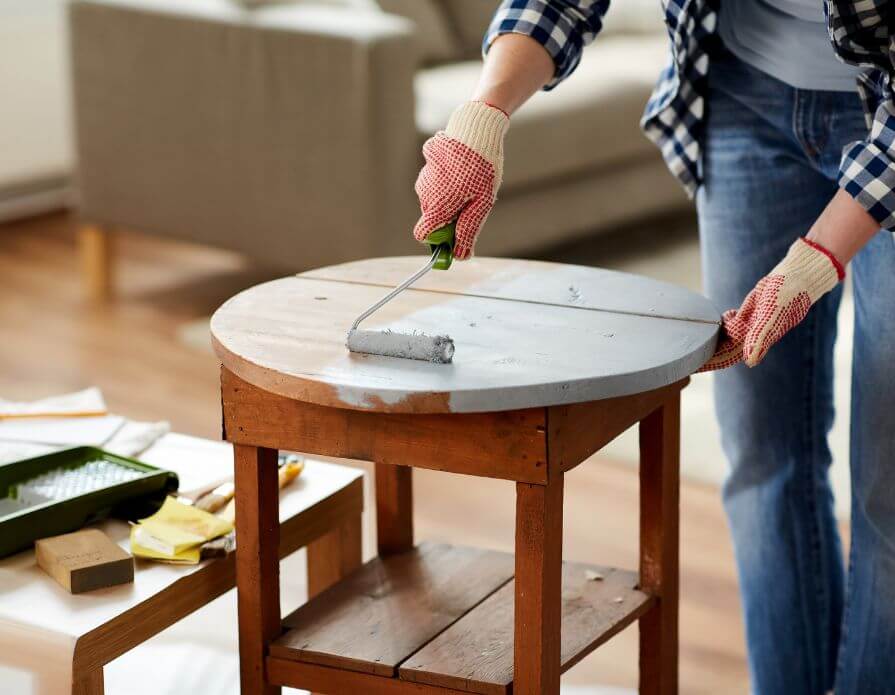
If you like the piece but not how it looks, refinishing or reupholstering it is cheaper than replacing it. Sanding down a wood surface and applying fresh stain or paint takes a weekend and a modest amount of materials. A scratched-up dresser or dinged coffee table can come back looking completely different after that kind of work.
For upholstered pieces, a fabric change goes a long way. Reupholstering a chair or sofa cushions runs less than buying new, and you get to choose exactly what the fabric looks like. If you’re not comfortable doing it yourself, local upholstery shops handle this regularly.
Use It Outdoors
A solid wood bench, a wooden side table, or a sturdy cabinet can move to a covered porch or patio with some weather-appropriate sealant applied. If the piece is already on its way out aesthetically, outdoor use gives it another year or two of function before it’s actually done.
Unfinished or lightly finished wood needs a protective coat before it sits outside. Pieces with peeling paint or deep water damage aren’t great candidates, but furniture that’s just visually dated can transition pretty well.
Break It Down and Salvage the Materials
If the furniture itself isn’t usable, the materials it’s made from still are. Solid wood from an old dresser or table can be cut into lumber for another project. You can also save hinges or drawer pulls to replace worn hardware on another piece of furniture.
Breaking something down takes some time and basic tools, but it keeps material out of a landfill and gives you supplies without buying them new. If you don’t want the wood yourself, post it locally. Someone working on a home project may be able to use it.
Check if a Habitat for Humanity ReStore Will Take It
Habitat for Humanity runs ReStores across the country that sell donated furniture, appliances, and building materials at reduced prices. Revenue from those sales funds affordable housing construction. If your furniture is in reasonable condition, a ReStore is worth a call. Some locations offer free pickup for larger pieces, which removes the hassle of arranging your own transport.
List It for Parts or for Artists
Some buyers aren’t looking for functional furniture—they’re looking for material. Artists, set designers, and prop stylists often want unusual or distressed pieces for projects. Woodworkers want old hardwood. Metalworkers want old iron or steel frames.
Listing your piece with specifics about what it’s made from attracts those buyers. A post that says “solid oak dining table, heavy distressing, sturdy frame” pulls a different audience than one that just says “old table for sale.”
Check if the Retailer Will Take It Back
Remodeling your home and want to do it sustainably? To get rid of the old furniture responsibly, consider sustainable remodeling retailers and brands that run take-back programs. IKEA, West Elm, and a handful of other furniture companies will buy back or accept returns of their own pieces, then resell or recycle them. You bring the item in, they handle where it goes next.
The Landfill Isn’t Your Only Move
Most furniture pieces, even ones that look rough, have somewhere better to go than a dumpster. The condition of the piece narrows your options, but rarely eliminates them. A broken-down dresser still has salvageable wood. A stained sofa might still get picked up for free. If you’ve got something sitting in your garage or spare room, run through this list before you schedule a haul.