

Staying Connected to Your Community When Mobility Changes
Sustainable communities should let everyone get around comfortably, regardless of age or physical ability.
Yet conversations about greener transportation often focus on electric cars, cycling, and public transit, overlooking people who struggle to walk longer distances. For older adults and those with limited mobility, getting to the grocery store or visiting a local park can present challenges.
Creating environmentally friendly neighborhoods also means keeping these needs in mind. With accessible infrastructure and practical electric mobility options, communities can help residents maintain their independence while reducing reliance on conventional vehicles.
Electric Mobility and Greener Everyday Journeys
When walking becomes difficult, even short journeys may require a car or help from someone else. This can make everyday activities less convenient and contribute to unnecessary vehicle use, especially in neighborhoods where essential services are close together.
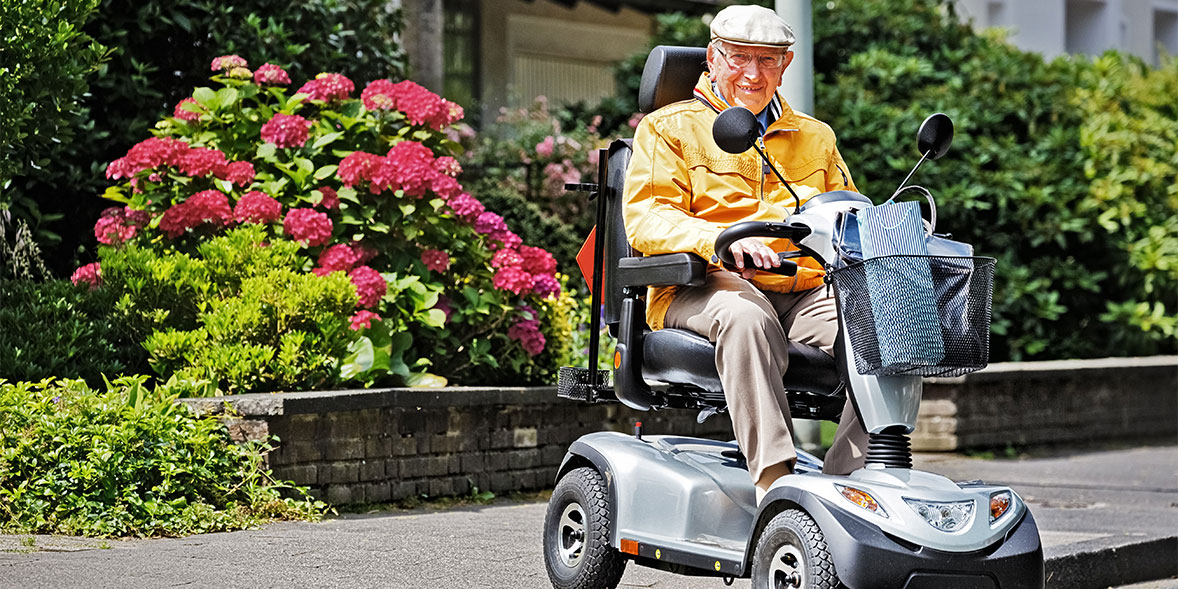
Mobility scooters offer an alternative for people who need assistance traveling shorter distances. Electrically powered and designed for accessible personal transportation, they let users visit local shops, meet friends, and enjoy outdoor spaces without relying on a gasoline-powered vehicle for every trip.
Many don’t think enough about keeping these vehicles in good condition, and why it matters for both reliability and sustainability.
Replacing worn mobility scooter batteries from Discount Scooters with compatible alternatives can extend a scooter’s useful life and reduce the need for premature replacement. Following manufacturer charging guidance and using appropriate battery recycling facilities can also help limit unnecessary waste.
Although battery manufacturing and electricity generation have environmental impacts, maintaining existing equipment is an important part of responsible consumption.
Designing Sustainable Communities for Everyone
A genuinely sustainable transportation network needs to accommodate different physical abilities. Unfortunately, many urban environments still contain uneven sidewalks, inaccessible crossings, and poorly maintained pathways that make independent travel difficult.
Improving these spaces can encourage more people to make local journeys without depending on cars. Wider sidewalks, accessible curb ramps, safer crossings and well-connected green spaces all contribute to neighborhoods that are easier to navigate.
These improvements benefit wheelchair users, mobility scooter owners, parents with strollers, and pedestrians alike. They also support broader urban planning goals by improving access to local services and reducing barriers to low-emission transportation. Creating greener cities shouldn’t simply involve introducing new technology.
It should also mean ensuring that existing infrastructure works for the people who depend on it.
Keeping Local Communities Connected
Accessible transportation can also strengthen local economies and social connections. When residents can travel independently, they can better support neighborhood businesses, attend community events, and participate in activities close to home.
Local shopping districts, libraries, parks, and community centers become more valuable when everyone can reach them comfortably. Encouraging shorter journeys within neighborhoods can also support sustainable development by reducing the need for longer car trips.
Community planners can help by considering accessibility when developing pedestrian areas, public spaces, and transportation connections. Residents should have opportunities to share their experiences so improvements reflect real needs.
A More Inclusive Approach to Sustainability
Environmental progress shouldn’t come at the expense of accessibility.
The most successful sustainable communities recognize that residents have different transportation needs and offer practical options to meet them. Electric mobility aids, accessible public spaces, and reliable local infrastructure can work together to support independent living and greener travel.
By making sustainability more inclusive, towns and cities can help people stay connected to their communities while creating healthier, more accessible places for everyone.