

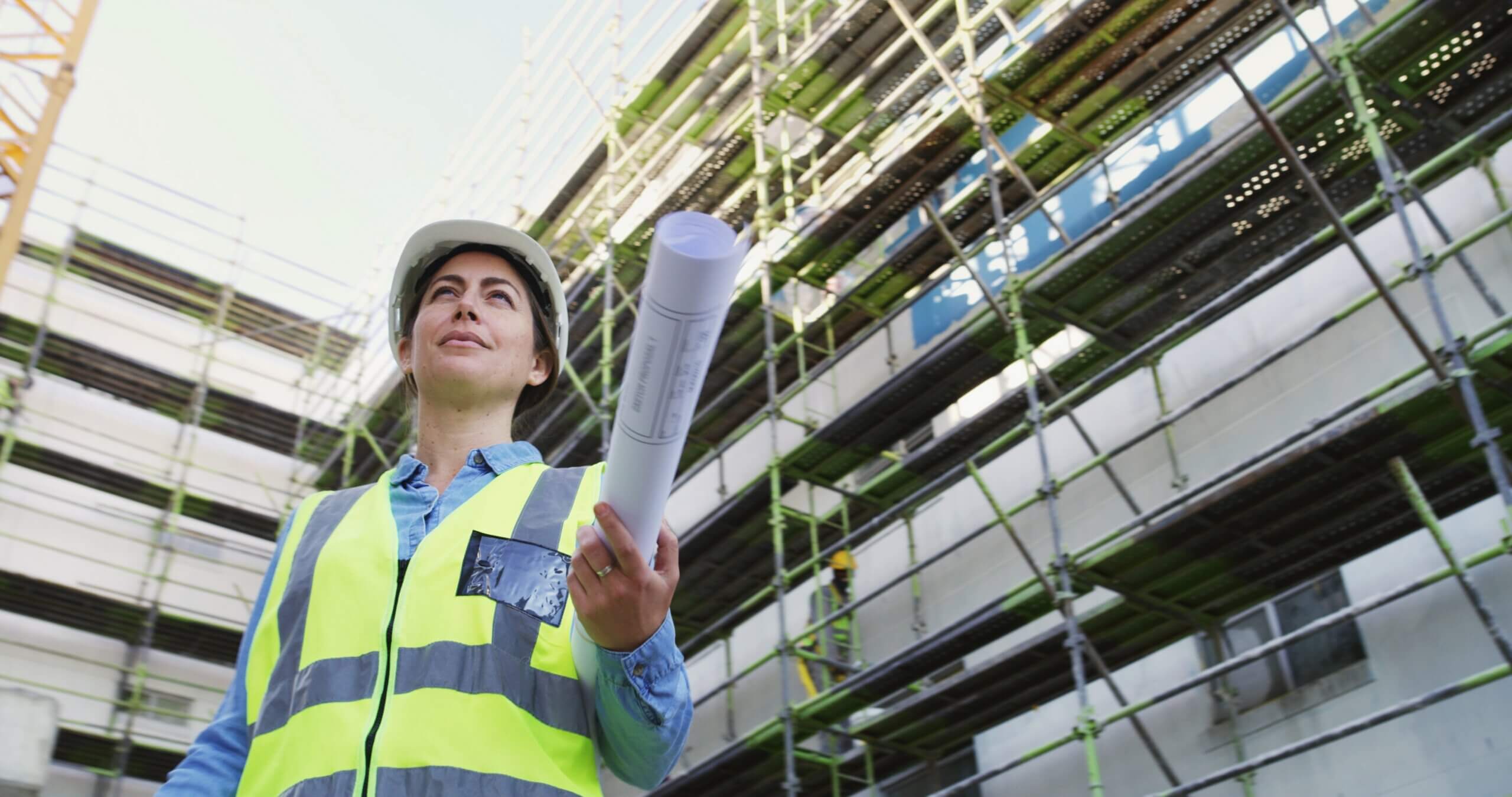
How Building Envelope Improvements Support Climate Adaptation
Climate change brings more frequent heat waves, intense storms and unpredictable weather patterns, but your home can adapt through strategic building envelope improvements. The building envelope includes all exterior components that separate your indoor environment from outdoor conditions.
When you strengthen this protective barrier, you manage energy costs more effectively while withstanding severe weather and supporting long-term climate resilience.
Upgrading Siding for Regional Climate Stressors
Not all siding performs equally when facing extreme weather. The materials you choose should be specifically designed for your local climate threats, whether you face freezing temperatures, hurricane-force winds or intense UV exposure. This targeted selection makes a measurable difference in both durability and longevity.
Fiber cement siding engineered for climate can be tailored to your region’s specific temperature ranges, humidity levels and seasonal weather patterns.
According to James Hardie, a building materials manufacturer, “Temperature changes, moisture exposure, sunlight, and severe weather can all influence how siding performs over time. Selecting the right option for your local climate can make the difference between a siding that fails and one that lasts for decades.”
These climate-specific formulations resist moisture intrusion and fire damage while adapting to the freeze-thaw cycles unique to your region. The material also provides effective protection against pest infiltration.
Understanding Your Building Envelope and Climate Resilience
Your building envelope serves as the physical separator between conditioned indoor space and the unconditioned outdoor environment. When properly sealed, an airtight envelope reduces energy loads by preventing air leakage and blocking harsh elements from penetrating your home, which directly affects how well your property withstands climate variability.
Advanced construction methods use sustainable materials to create airtight building envelopes that significantly decrease heat transfer. These approaches create future-ready environments that adapt to climate change. The tighter your envelope, the less energy you need to maintain comfortable indoor temperatures during extreme weather events.
Strengthening Structural Integrity with a New Garage Door
Your garage door occupies a substantial portion of your home’s facade, making it a critical weak point if left uninsulated or outdated. Modern insulated garage doors with high R-values reduce heat transfer and hold up against severe weather conditions, transforming a vulnerable entry point into a climate-resilient barrier.
What’s included in professional garage door installation determines whether your new door actually strengthens your building envelope. According to garage door experts from Halo Overhead Doors, precise installation of every component ensures the door performs as an effective barrier.
“Your garage door secures your home, shapes your curb appeal and impacts your energy bills,” they explain. “We’ll test everything thoroughly and show you simple maintenance tips to extend your door’s life,” they add. Professional garage door installation includes properly aligned tracks and correctly tensioned springs. Calibrated safety sensors also support structural integrity and climate performance.
Managing Heat and Stormwater With Vegetative Systems
Adding green infrastructure to your roof and exterior walls turns your building envelope into an active climate adaptation tool. Unlike passive improvements, these biological systems actively manage both water and heat while extending the life of underlying building materials and offering measurable sustainability benefits.
Engineered systems that incorporate green roofs and living walls manage stormwater at the source while reducing temperatures.
According to Green Living Technologies, a green infrastructure company, “These systems help manage stormwater at the source, reduce temperatures, improve biodiversity, extend roof membrane life, and contribute to measurable sustainability and ESG goals.”
The installations mitigate urban heat island effects while improving cooling efficiency. They also reduce thermal cycling, which degrades roof membranes over time.
Preparing Your Property for a Sustainable Future
Building envelope improvements offer measurable benefits for climate adaptation across both residential and commercial properties. Upgraded siding withstands regional weather extremes while insulated garage doors strengthen vulnerable entry points.
Green infrastructure systems provide active climate management capabilities that go beyond passive protection, creating comprehensive resilience to increasingly variable weather patterns.