


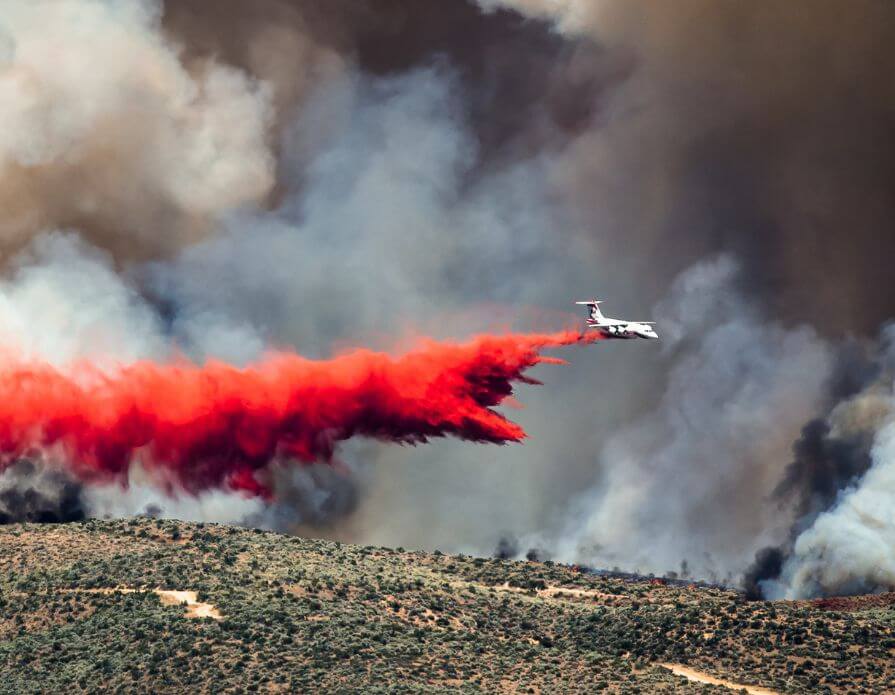
The Impact Climate Change Has on Wildfires
Wildfires have always played a role in many natural landscapes, but today’s fires often burn hotter, spread faster, and last longer. Climate change doesn’t start every wildfire, but it creates conditions that help fires grow out of control. Hotter temperatures, drier vegetation, and longer dry spells all turn forests, grasslands, and neighborhoods into places where fire can move quickly.
Hotter Days Dry the Land
Heat pulls moisture from soil, trees, brush, and grasses. When temperatures stay high for long periods, plants dry out faster. Dry vegetation catches fire more easily, and flames can move through it with surprising speed.
A small spark can come from lightning, equipment, power lines, or a careless mistake. When the land is already dry and stressed, that spark can turn into a dangerous fire much more quickly. Climate change raises the odds of those dry, high-risk conditions in many regions.
Longer Dry Seasons Create More Risk
Many communities now deal with longer stretches of warm, dry weather. Rain may come later than expected, snow may melt earlier, and forests may spend more time without enough moisture. These shifts increase the chances of fires starting and spreading.
That’s one reason wildfire seasons are changing. Some areas no longer experience a short, predictable fire season. Instead, residents may face smoke, fire danger, evacuations, and air quality alerts across more months of the year.
Wind and Weather Add Pressure
Climate change can also influence weather patterns, making fires harder to control. Strong winds can push flames across roads, ridges, and firebreaks. Dry air can pull even more moisture from plants. Sudden heat waves can raise fire danger within days.
Fire crews work hard to protect communities, but extreme weather can limit their options. Fast-moving flames can force urgent evacuations and make containment more difficult.
Smoke Affects Daily Life
Wildfires don’t only damage forests and homes. Smoke can travel hundreds or even thousands of miles. People far from the flames may still breathe smoky air, cancel outdoor plans, or keep children inside.
This traveling shows how climate impacts our health in direct ways. Wildfire smoke can irritate the eyes, throat, and lungs. It can also make daily life harder for older adults, children, outdoor workers, and people with breathing conditions.
Communities Can Prepare
People can’t control the weather, but communities can lower fire risk. Homeowners can clear dry leaves, trim branches near roofs, and create defensible space around buildings. Local leaders can improve evacuation planning, support forest management, and share clear alerts during dangerous conditions.
Individuals can also prepare go bags, watch local air quality updates, and use indoor air filters during smoky days. These steps don’t stop climate change, but they help families respond faster when fire danger rises.
A Clearer Path Forward
As you can see, climate change impacts wildfires in many ways. Those changes affect homes, landscapes, air quality, and public health. When communities understand the connection, they can plan smarter, reduce local risks, and support choices that protect people and the places they love.