


Why Sustainable Cooling Matters in a Warming Urban World
Cities are getting hotter. Streets that used to cool down overnight now hold heat well past midnight. Air conditioning units run constantly. And as global temperatures keep climbing, so does the demand for cooling.
The uncomfortable irony is that the way most cities cool themselves today is actively making the underlying problem worse. That’s what makes sustainable cooling one of the most urgent challenges of our time. Here’s why.
The Urban Heat Island Effect Is Reshaping City Life
Know what it feels like to exit a flight and step onto a hot night on the streets of a big city? You have thick air, the heat is coming off the pavement, and it seems like you have left the plane on a hotter day than any forecast indicated. This is known as the Urban Heat Island Effect.
The concrete, asphalt and glass that surround you all day long will absorb heat during the day, but only release it at a slow rate overnight. The additional source of waste heat coming from vehicles and machinery, as well as the operation of air conditioning units adds to the tight loop, creating an overall heat island.
As you add more heat to the cities, the more people will operate their respective cooling systems. The more cooling systems in operation inside, the hotter it becomes outside.
Breaking the cycle of heat buildup means rethinking your respective approach to reevaluating the fundamental cooling methods you currently utilize.
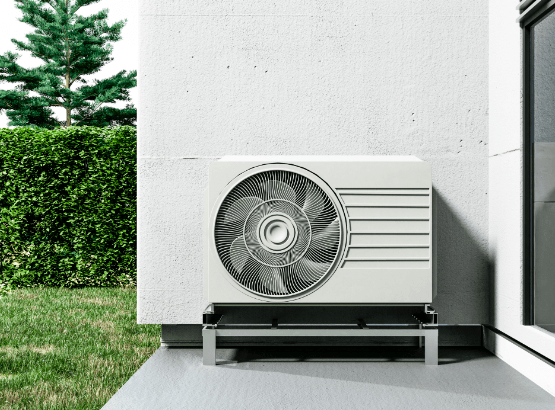
Suppliers like Midea air conditioners are part of this shift, offering energy-efficient options that make reliable cooling more attainable for households and businesses alike.
Building Design and Passive Cooling Can Reduce the Problem at the Source
The best form of sustainable cooling is to not have any cooling at all! This may sound a little ridiculous, but it really is the most financially responsible way to begin.
A thoughtfully designed building can help reduce the burden placed on mechanical system by reducing the thermal load of the building through building orientation, shading, insulation, and design of roofing materials.
Even before the first cooling system is activated, a well-designed building can already provide a substantial reduction in the burden placed on commercial cooling systems.
There are many passive cooling solutions, including natural ventilation, thermal mass, and cool roofs, that have been utilised for many centuries. However, with modern engineering techniques, experts can accurately model, measure, and optimise these solutions more than ever before.
Conventional Cooling Is a Major Source of Carbon Emissions
Standard air conditioning and refrigeration systems have a climate problem that goes beyond electricity consumption. Many rely on hydrofluorocarbon coolants.
These are refrigerants with a global warming potential thousands of times higher than CO₂. When these systems leak or get improperly disposed of, the climate impact is significant, and it happens quietly, without most people realising it.
That’s part of why international agreements like the Kigali Amendment to the Montreal Protocol specifically target the HFC phasedown. The F-gas Regulation in parts of the world is pushing in the same direction—away from fluorinated refrigerants and toward natural refrigerants that don’t damage the stratospheric ozone layer and have a far lower GWP.
Climate-friendly cooling isn’t just a regulatory checkbox. Switching to it is one of the faster, more tangible forms of climate change mitigation available right now.
Renewable Energy and Smarter Systems Are Changing What’s Possible
Where mechanical cooling is genuinely necessary, how it’s powered matters just as much as which system is chosen. Solar cooling technologies are a compelling case in point.
Peak solar output and peak cooling demand tend to coincide, which makes the pairing unusually practical. Solar-powered absorption cooling uses thermally driven chillers to deliver cooling with minimal electricity input, making it well-suited to contexts where grid access is limited or expensive.
Heat pumps are another piece of the puzzle. Rather than generating thermal comfort by burning fuel or running energy-heavy elements, they move heat from one place to another.
In cooling mode, they pull heat out of a space and exhaust it outside. When powered by renewable energy, they’re about as close to a genuinely low-carbon cooling solution as currently exists at scale.
Energy storage adds another layer of flexibility. Thermal batteries and ice-powered air conditioning let buildings shift their cooling load to off-peak hours. It’s when electricity is cheaper, demand response incentives apply, and the grid is under less pressure. It’s a smarter way to manage peak demand without asking anyone to simply use less cooling.
District Cooling and Shared Infrastructure Offer City-Scale Solutions
Individual buildings optimising their own systems is worthwhile. But the efficiency gains that come from district cooling are in a different league. Centralised, large-scale plants distribute chilled water through underground pipe networks to multiple buildings simultaneously.
Because they operate at a consistent, high-capacity scale, they achieve energy efficiency that no single building plant can match. They’re also far easier to connect to water-cooled systems or to take advantage of liquid-based heat transfer from nearby rivers or other water sources.
Some cities are going further still. Geothermal cooling draws on stable underground temperatures to condition buildings year-round with minimal energy input. Radiative cooling technology works by exploiting the atmosphere’s natural tendency to radiate heat into space, keeping surfaces cooler without consuming energy at all.
Public Health and Equity Depend on Getting Cooling Right
It’s tempting to frame sustainable cooling purely as an environmental issue. But the public health dimension is just as serious.
One of the deadliest climate hazards is extreme heat, which affects those least able to cope: seniors, young children, outdoor workers and people without access to clean cooling. Affordable and reliable cooling is now an absolute requirement as climate change exacerbates heat events.
Equitable, sustainable cooling solutions can simultaneously solve both problems. Frameworks based on the UN’s Sustainable Development Goals acknowledge the interconnectedness of sustainable urban cooling and the larger issues of equity. These frameworks can guide on creating cities that are capable of both surviving climate change and remaining livable for everyone.
The Path Forward Is Clear
Sustainable cooling is a combination of many things: passive design, efficient equipment, clean energy sources, smarter control systems, and shared infrastructure. All of these are working together because no single approach is enough on its own.
The tools already exist. What’s needed is the willingness to use them properly, backed by climate-smart investment, meaningful policy, and technical expertise that can translate intention into outcomes.