


Is Consumer Lithium Access a More Sustainable Choice?
Clean energy conversations increasingly include batteries. Electric vehicles, solar storage, and portable electronics all depend on lithium technology, but is lithium really the greenest—and most ethical—choice? This debate over the sustainability of consumer access to lithium is only going to become more prominent as demand accelerates worldwide.
Consumers value the power and convenience of lithium-ion batteries because they support efficient energy storage and reduce dependence on fossil fuels. Renewable infrastructure would struggle to scale without them.
Environmental benefits, however, do not erase lithium’s challenges.
The Environmental Cost of Lithium Extraction
Lithium mining requires substantial water use in several producing regions. Salt flats have received intense scrutiny because local ecosystems and communities rely on limited water resources, and lithium mining companies may cause damage without sufficient protection in place.
Hard-rock mining presents separate concerns. Land disruption, energy-intensive processing, and waste management can create environmental strain when regulations remain weak. Mining operations often affect Indigenous communities disproportionately.
Governments ultimately influence outcomes through environmental standards, labor protections, and recycling mandates that compel corporations to make informed, visible choices. Individual consumer choices can push this accountability further, but when it comes to this kind of technology, large-scale sustainability depends heavily on policy and industrial responsibility.
Ethical Questions Around Lithium
Ethical sourcing remains one of the biggest criticisms surrounding lithium production. Labor conditions vary significantly across regions and suppliers, and transparency gaps make it difficult for consumers to assess whether materials were obtained responsibly.
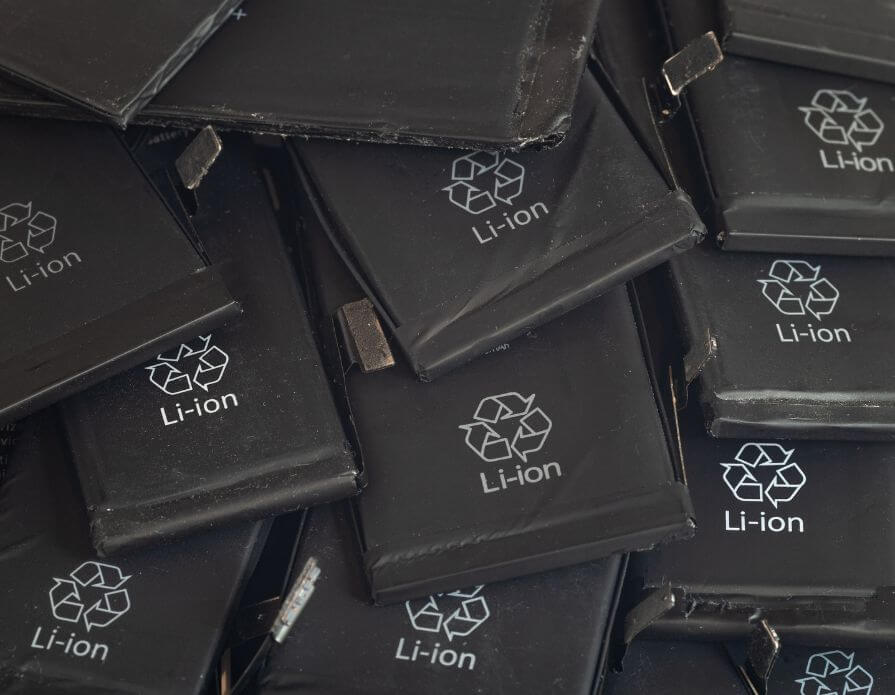
Recycling programs and second-life battery applications reduce reliance on newly extracted materials, but they are not always financially viable.
Beyond sourcing, another major ethical concern about lithium is its safety in consumers’ hands, as these batteries have a history of catching fire. Battery chemistry plays an important role in today’s discussions.
Not all modern lithium batteries are the same, and many manufacturers have altered their designs to make these batteries more durable on the market. For example, LiFePO4 batteries are also a generally safer choice with lessened fire risk, making them increasingly attractive for extensive energy storage and marine applications.
A Transition Still Worth Pursuing
Perfect sustainability is a difficult target to meet in any instance. However, fossil fuels still generate far greater long-term environmental damage than lithium technologies. Responsible lithium access may support cleaner cities, renewable expansion, and lower transportation emissions when paired with stronger oversight.
Progress depends on balancing innovation with accountability. Ethical sourcing standards, investment in recycling infrastructure, and stricter environmental regulations all influence future outcomes. Consumers also shape markets by supporting companies that prioritize durability, safety, and responsible manufacturing.
Building a More Responsible Energy Future
Questions about the sustainability of consumer access to lithium are among the many conversations we need to continue having about how the products we use affect our environment.
Lithium technology carries real environmental and ethical concerns, but it also enables meaningful progress toward lower-emission energy systems. Smarter regulation, transparent sourcing, and improved recycling practices will determine whether lithium can become a long-term solution.