

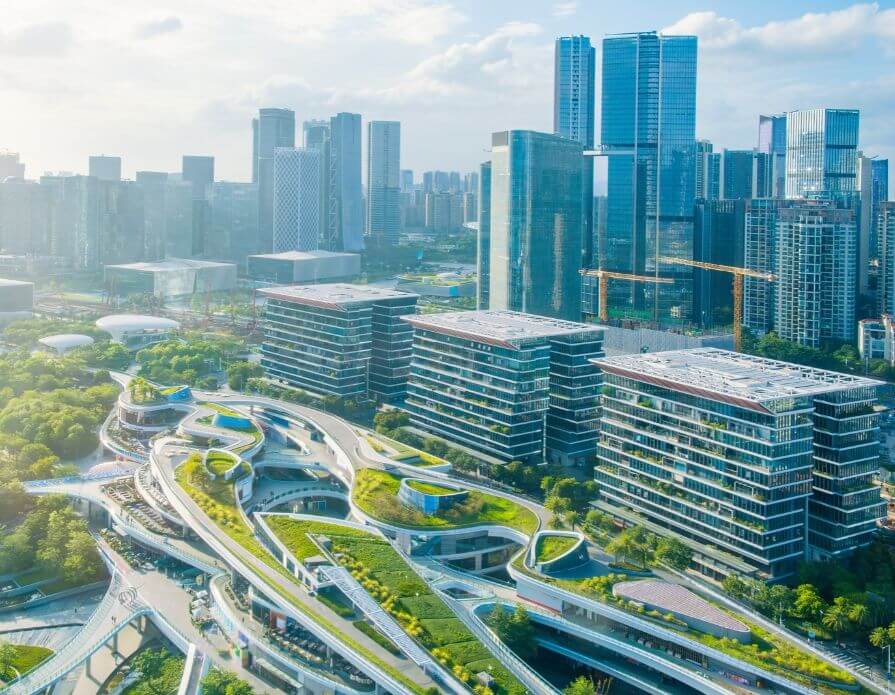
How Cities Can Build Greener Business Districts
A busy business district brings people together, but the activity that supports local economies also creates environmental challenges. Office buildings consume considerable energy, commuters contribute to traffic congestion, and commercial operations generate waste that cities must manage. As urban populations grow, these pressures make sustainable development increasingly important.
Fortunately, cities can build greener business districts by reconsidering how commercial areas use resources and support daily activities. Improvements don’t always require major redevelopment projects.
Thoughtful changes to existing infrastructure can reduce environmental impacts while making downtown areas more welcoming for businesses and visitors.
Improve Energy Efficiency in Commercial Buildings
Commercial buildings offer a promising starting point for reducing a district’s environmental footprint. Older offices often rely on outdated heating and cooling equipment, while inefficient windows allow conditioned air to escape.
Municipal governments can encourage property owners to upgrade insulation and install modern heat pumps. Energy audits can help identify improvements that offer meaningful savings without requiring extensive renovations.
Cities can also introduce incentives for businesses that invest in renewable energy. Rooftop solar installations, for example, may reduce dependence on conventional electricity sources when building conditions support their use.
Beyond individual upgrades, green building principles can guide broader renovation decisions, helping property owners reduce resource consumption while improving indoor comfort.
Local authorities should consider how building improvements affect smaller businesses, particularly those operating in older commercial spaces. Accessible financing programs can help make efficiency upgrades more achievable.
Make Sustainable Transportation More Convenient
A district’s environmental performance depends partly on how people travel through it. When employees and customers rely heavily on private vehicles, traffic congestion increases fuel consumption and contributes to local air pollution.
Cities can address these challenges by improving public transportation connections between commercial centers and surrounding neighborhoods.
Reliable buses and convenient transit stops give commuters alternatives to driving. However, transportation planning should also account for the distance people travel after leaving a station.
Protected bicycle lanes and accessible sidewalks can make shorter journeys more comfortable.
Municipal planners might prioritize improvements such as:
- Wider sidewalks that accommodate pedestrians with mobility needs
- Protected cycling routes connecting offices with nearby neighborhoods
- Convenient public transportation stops near major workplaces
- Secure bicycle parking at commercial properties
These investments can make downtown businesses easier to reach while reducing dependence on individual car trips.
Introduce More Green Space Into Commercial Areas
Concrete-heavy business districts often lack the vegetation that helps moderate urban temperatures. Large paved surfaces absorb solar heat, making outdoor spaces uncomfortable during warmer months.
Street trees can provide shade along pedestrian routes, while landscaped areas offer places for workers to spend their breaks.
Cities should choose plants that suit local climate conditions and consider maintenance requirements before introducing new landscaping.
Green roofs may also help manage stormwater runoff where building structures can support them.
However, adding vegetation requires more planning than placing decorative planters outside office entrances. Tree roots need adequate growing space, and landscaping should accommodate pedestrian movement without obstructing accessibility.
Connecting smaller green areas through shaded walking routes can create a more comfortable environment across an entire commercial district.
Strengthen Commercial Waste Management
Restaurants and office buildings generate different waste streams, making coordinated waste management an important part of sustainable district planning.
Cities can work with local businesses to expand recycling access and introduce food-waste collection where suitable processing facilities exist.
Clear signage can help employees separate recyclable materials from general trash, although businesses also need reliable collection services.
Some commercial activities generate materials that require specialized handling. Automotive workshops, for example, may produce hazardous waste that ordinary municipal collection programs cannot accept.
A business coordinating waste management across multiple locations must account for those differences while maintaining organized records and appropriate collection arrangements.
Municipal sustainability programs can encourage responsible practices by providing clear information about local disposal requirements and available services.
Encourage Mixed-Use Neighborhood Development
Traditional business districts sometimes become unusually quiet after office workers leave for the evening. Areas dominated by commercial buildings may offer few reasons for people to visit outside regular working hours.
Mixed-use development can create a more active neighborhood by combining workplaces with residential properties.
When residents live near shops and employment opportunities, some everyday journeys become short enough to complete on foot.
Cities can support these patterns through zoning policies that allow compatible activities within the same district.
Repurposing vacant office buildings may offer opportunities in some locations, although conversion costs and building layouts can limit feasibility.
Successful mixed-use planning also considers affordability. If redevelopment pushes out existing businesses or residents, environmental improvements may come at an unacceptable social cost.
Involve Local Businesses in Sustainability Planning
Municipal governments can establish environmental targets, but local businesses influence how those goals translate into everyday operations.
Business associations can help coordinate neighborhood initiatives, particularly when individual companies lack the resources to organize programs independently. Shared delivery arrangements may reduce unnecessary vehicle trips when businesses can coordinate schedules and suppliers.
Property owners might also collaborate on energy-saving improvements across neighboring buildings.
Cities should invite small business owners into planning discussions before introducing major changes. A restaurant may have different operational needs from an office building, particularly regarding deliveries and waste collection.
Regular communication can reveal obstacles that planners might overlook when evaluating sustainability proposals from a distance.
Public participation also helps residents understand how proposed changes could affect their neighborhoods.
Measure Environmental Progress Over Time
Greener business districts require continued attention after construction projects finish. Cities need meaningful ways to evaluate environmental performance and determine where further improvements could help.
Energy consumption provides one useful measure, particularly when municipal programs encourage commercial building upgrades.
Transportation surveys can reveal changes in commuting habits, while waste collection data may help identify opportunities to improve recycling participation.
Local governments should establish realistic benchmarks that account for differences between neighborhoods.
For example, a historic district with older buildings may face different renovation challenges from a recently developed commercial area.
Publishing progress reports can help businesses understand how their participation contributes to broader environmental goals.
Create Business Districts That Support a Greener Future
Commercial districts influence how cities consume resources and how residents experience urban life. Improving their environmental performance requires cooperation between municipal planners and the businesses that operate within them.
As cities work to build greener business districts, investments in efficient infrastructure and thoughtful land use can create lasting benefits. The most effective changes respond to local conditions while helping commercial neighborhoods remain welcoming places to work and spend time.