


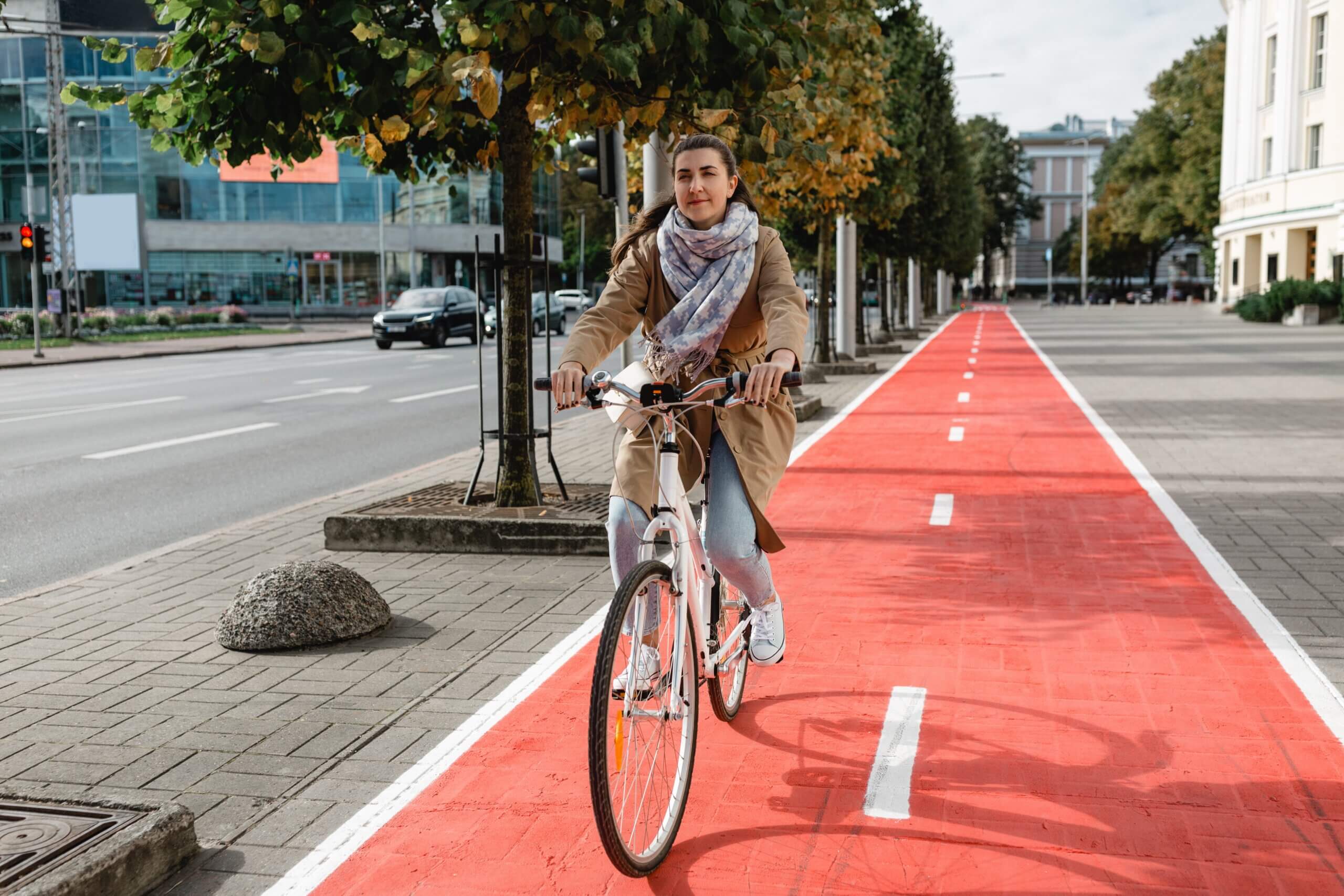
Why Safe Cycling Requires Better Street Design
A cycle lane can look complete on a map and still feel unsafe on the road. It may stop before a busy junction. Parked cars may block it. The route may also lead nowhere useful.
Safe cycling depends on the whole trip. Riders need direct routes, protection from traffic, clear crossings, secure parking, and a clean surface. Each part has a practical purpose. Together, they make cycling easier for daily travel.
This type of street design helps experienced cyclists. It also gives new riders more confidence. More people can then use bicycles for work, school, shopping, and short local trips.
Connect Cycling Routes to Everyday Destinations
A useful cycling route connects homes with places people visit every day. These places include schools, shops, offices, parks, and train stations.
Planners should begin with the journeys residents already make. They can then find gaps in the existing network. Even a short gap can force riders into fast traffic.
Cycle lanes should not end suddenly on busy roads. The final part of the journey matters just as much as the main route. Riders need a safe way to reach the building, station, or public space at the end.
Signs should be clear and easy to see. Direct routes also reduce unnecessary detours. Riders should not need to check a map at every turn.
Connected routes solve one problem. Cyclists still need space that feels protected from traffic.
Go Beyond Painted Bike Lanes
Paint has a useful role. It shows drivers and cyclists how the road should be shared. However, paint cannot stop a vehicle from entering a cycle lane.
Busy streets often need a more visible boundary. Low-profile lane dividers can mark the edge of the cycling space. Raised curbs and planted strips may also work in suitable locations.
The lane must be wide enough for comfortable movement. Parked cars require extra clearance. This space protects cyclists from doors that open into the lane.
Bus stops, driveways, and loading areas can interrupt a cycling route. The path should remain easy to follow through these areas. Openings may also be needed for drainage, property access, and emergency vehicles.
A narrow protected lane can still feel unsafe. Traffic speed, road width, and the number of cyclists should guide the design.
This separation must remain clear at junctions and crossings.
Improve Safety at Junctions and Crossings
Junctions bring cyclists, vehicles, and pedestrians into the same area. Turning vehicles present a particular risk. A driver may not see a cyclist approaching from behind.
Lower speeds give everyone more time to react. Speed control should begin before the crossing. Drivers need enough distance to slow down.
Clear sightlines are also important. Parked cars, large signs, and planting should stay away from corners and crossing points. Cyclists and drivers need a clear view of each other.
Busy junctions may need separate signal times for bicycles and turning vehicles. Smaller junctions may work with raised crossings, tighter turns, and clear road markings.
Every design should answer two simple questions. Where does the cyclist go? Where does the driver stop?
The journey also needs a safe place to end.
Provide Secure Areas for Bike Parking
Riders need a secure place to leave their bicycles. Good parking also keeps bikes away from doors, railings, and pavements.
Bike racks should be close to the destination. Visible locations can improve security. Good lighting also helps after dark.
Each rack should support the bicycle frame. Riders need enough room to lock and unlock their bikes. The parking area must not block building entrances or accessible routes.
Short visits may only require outdoor racks. Workplaces, stations, and apartment buildings may need covered parking or secure bike rooms. These options offer more protection during longer stays.
Capacity should match local demand. Crowded racks often push bicycles onto trees, fences, and pedestrian areas.
Bike parking needs regular care, just like the route itself.
Maintain Cycling Infrastructure Over Time
Leaves, broken glass, standing water, and loose gravel can make a cycle lane dangerous. These problems may have little effect on a car. They can easily cause a cyclist to fall.
Regular sweeping should focus on busy routes and areas near trees. Drainage channels also need attention. Water should not collect in the cycling space after heavy rain.
Physical equipment needs inspection too. Loose dividers, damaged signs, faded markings, and uneven surfaces should be repaired quickly. Extra checks may be needed after storms, winter weather, or nearby roadworks.
Roadworks can also break a cycling route. A temporary route should be clear and safe. The permanent lane should reopen as soon as the work is complete.
Replacement work creates waste. Durable equipment can reduce unnecessary replacement. Cities can also consider products made with recovered materials. The chosen products must still suit the location and its traffic conditions.
Maintenance should be part of the original plan. A clear inspection schedule can prevent small problems from becoming serious hazards. A simple reporting system also helps residents flag new issues.
A safe cycling network works from the doorstep to the destination. It offers a clear route, protected space, understandable junctions, useful parking, and regular maintenance.
Cities do not need to rebuild every street at once. They can start with the gaps and hazards that affect daily trips. Each practical improvement makes cycling easier to choose.
A complete and reliable journey gives people a real alternative to driving. It also helps create quieter, cleaner, and safer streets.