
Why Drainage Products Information Matters in Green Infrastructure
You already know that green infrastructure sounds good on paper. It promises cleaner water, cooler cities, and better resilience. But here’s the catch. None of that works without the right drainage systems underneath. If you ignore the details behind drainage products, you risk turning a sustainable plan into a costly failure.
So you need more than good intentions. You need clear, reliable information about the drainage solutions you choose. That knowledge shapes performance, lifespan, and environmental impact. Let’s break down why that information matters and how it directly affects your project outcomes.
Evaluating Product Performance in Real Conditions
You can’t rely on assumptions when it comes to drainage. Every site behaves differently. Soil type, rainfall intensity, and load conditions all influence how a system performs. That’s why product specifications are crucial. They tell you how materials react under pressure, flow, and long-term exposure.
For example, permeability rates and load capacity are essential figures that guide your design decisions. If you skip these details, you risk drainage problems like clogging, overflow, or structural failure. That leads to higher maintenance costs and system breakdowns.
You also need to consider how products perform over time. Some materials degrade faster under UV exposure or chemical contact. Working with industry specialists such as Concrete Consumables WA can help you identify options with verified specifications and proven durability, making it easier to select systems that remain reliable and cost‑effective over the long term.
Supporting Water Quality and Environmental Goals
Green infrastructure aims to improve water quality. But that only works if your drainage products support filtration and flow control. You need systems that manage stormwater runoff while removing pollutants effectively.
Detailed product information helps you assess filtration capacity. It shows how well a system captures sediments, oils, and debris. Without this knowledge, you might install a system that moves water but fails to treat it. That defeats the purpose of sustainable design.
You should also look at how products interact with surrounding ecosystems. Some materials can leach chemicals into the soil or water. Others are designed to be environmentally neutral. When you understand these impacts, you can align your choices with your environmental goals.
Improving Installation Efficiency and Accuracy
Even the best design can fail during installation. That’s where clear product information becomes critical. It guides contractors on proper handling, placement, and assembly. This reduces errors and keeps your project on schedule.
Installation guidelines also help you avoid common mistakes. These include incorrect slope, poor joint sealing, or improper backfilling. Systems with multiple components, such as trench drain systems, are particularly sensitive to these errors because even small misalignments can compromise flow and durability. Accurate instructions ensure these complex assemblies are installed correctly, preventing costly setbacks.
You also save time and money when installation runs smoothly. Crews work faster when they understand the system. Fewer errors mean fewer repairs. That keeps your project within budget and ensures the system performs as intended from day one.
Enhancing Long-Term Maintenance Planning
Drainage systems don’t end at installation. They require ongoing care to function properly. That’s why maintenance data is just as important as design specs. You need to know how often to inspect, clean, and repair each component.
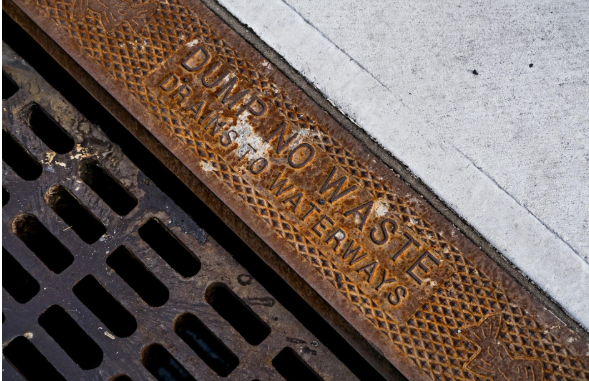
Product information gives you that roadmap. It outlines maintenance intervals and identifies potential failure points. This allows you to plan ahead instead of reacting to problems. Preventive maintenance always costs less than emergency repairs. Components such as drain grates illustrate this clearly, since their accessibility and cleaning requirements directly affect long‑term upkeep.
You also gain insight into system accessibility. Some products are easier to inspect and clean than others. When you choose user‑friendly systems, you reduce labor costs and downtime. That makes your green infrastructure more practical and sustainable over time.
Ensuring Compliance and Risk Management
Regulations play a big role in green infrastructure. You need to meet local standards for drainage, water quality, and environmental protection. Product information helps you verify compliance before installation even begins.
Certifications and testing data provide proof of performance. They show that a product meets required standards. Without this information, you risk using materials that fail inspections. That can delay your project or lead to costly redesigns. In large‑scale applications such as commercial drainage, these compliance failures are especially disruptive and expensive.
You also reduce liability when you use verified products. Clear documentation supports your decisions. It shows that you followed best practices and industry standards. This protects you from legal and financial risks in the future.
Driving Smarter, More Sustainable Decisions
Sustainability goes beyond choosing green products. It requires informed decisions at every stage. When you understand drainage product data, you can compare options based on performance, durability, and environmental impact.
This allows you to optimize your design. You can balance cost with long‑term value and choose materials that reduce resource use and extend system life. That leads to better outcomes for both your project and the environment.
You also build confidence in your decisions. Instead of guessing, you rely on data. That improves collaboration with engineers, contractors, and stakeholders. Everyone works from the same understanding, which leads to stronger results.
Final Thoughts
Green infrastructure only works when every component performs as expected. Drainage systems sit at the core of that performance. If you overlook the details, you risk undermining the entire system.
When you prioritize drainage product information, you take control of your project’s success. You reduce risk, improve efficiency, and support real sustainability. That’s how drainage systems become a dependable foundation for sustainable design.