

Celebrate Earth Day at These Top National Parks
By Cora Gold
Earth Day, celebrated on April 22, features group cleanups, demonstrations, and community events. It’s a great occasion to advocate for sustainability, climate change mitigation, and collective action. Another way you can celebrate Earth is by visiting a national park. Think of it as a form of sustainable tourism that supports organizations that preserve nature around the world. Here are a dozen of the top national parks to visit this Earth Day
1. Yellowstone National Park
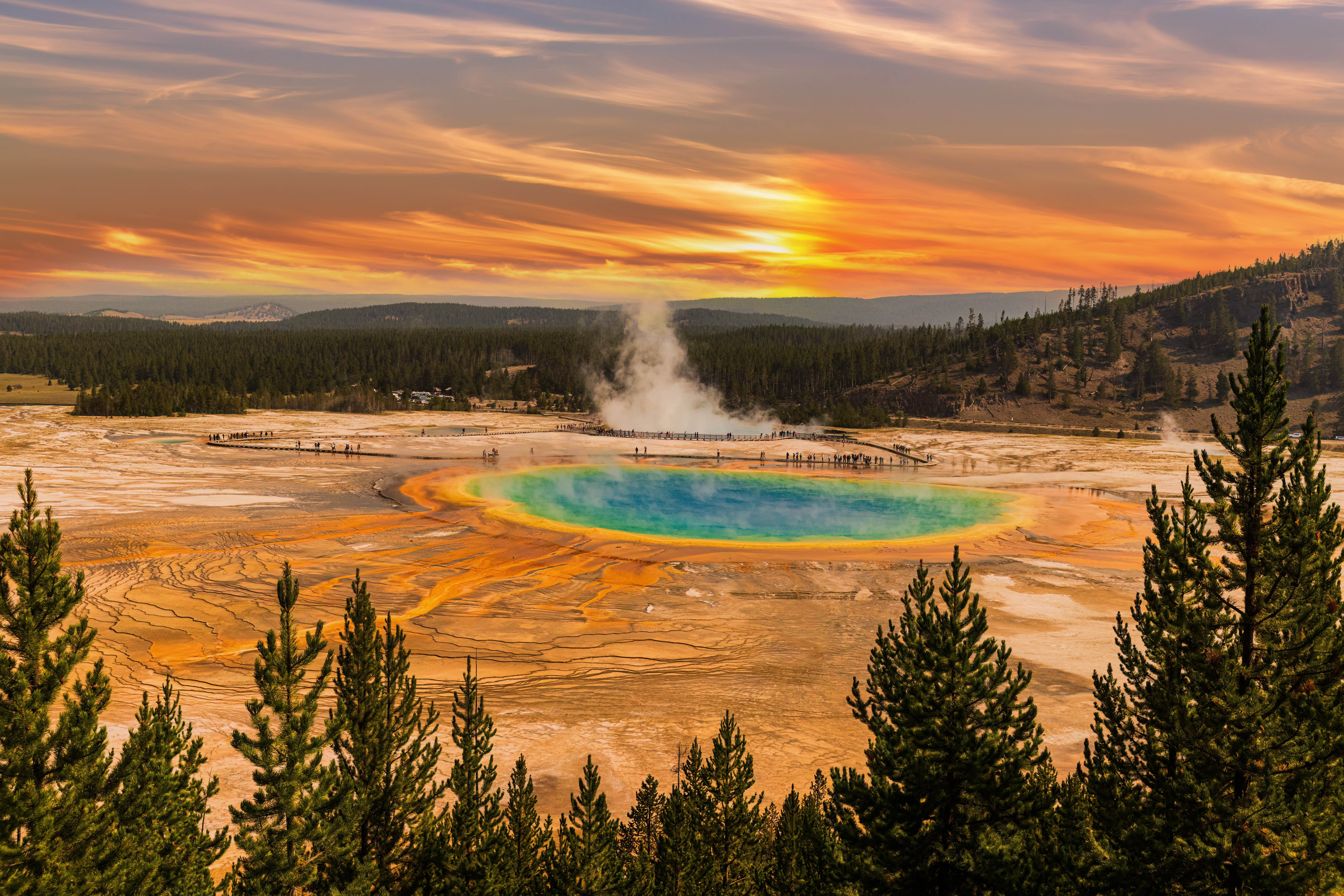
Yellowstone National Park in Wyoming is the world’s first national park, spanning over 2.2 million acres and featuring geysers, waterfalls, and more. It is a pioneer in environmental management and stewardship, maintaining sustainable initiatives and facilities to preserve its sights and resources.
2. Yosemite National Park
Moving to California, Yosemite National Park is home to plenty of forests. You can book a guided tour, visit the museum, or check other programs to learn more about the Yosemite Valley. One of the best ways to connect with this green space is to hike and explore its trails.
3. Sequoia National Park
Sequoia National Park in California also offers a variety of natural wonders. The General Sherman Tree in the Giant Forest should be at the top of your list, standing almost 300 feet tall at over 2,000 years old. You can also stop at the Crystal Cave, one of the park’s 200 caves with marble-like formations and minerals.
4. Redwood State and National Park
Another California location worth visiting is Redwood State and National Park. It’s home to the world’s tallest trees, with some growing over 370 feet in height, which is five stories higher than the Statue of Liberty. It also has the Roosevelt Elk, whales, seals, and other animals lingering around the reserve.
5. Olympic National Park
Olympic National Park in Washington is home to vast amounts of wilderness. It also features different ecosystems, such as rainforests, mountains, and coastlines. Camping is encouraged to fully connect with nature, but groups can also visit its visitor centers to learn more about the stops they can make on their visit.
6. Bryce Canyon National Park
Bryce Canyon National Park in Utah is another beautiful and unique park that features many grand, irregularly shaped rocks. Aside from being revered as a great place for stargazing, it’s home to 11 reptile species, plants, and numerous groups of people over its history.
7. Rocky Mountain National Park
Rocky Mountain National Park in Colorado, as the name suggests, is filled with breathtaking mountain views. Many visitors hike the trails to see the abundant wildflowers and wildlife. There are also some establishments that help showcase how fun activities can still involve protecting the Earth.
8. Grand Teton National Park
Returning to Wyoming, Grand Teton National Park is another well-established area. It spans 310,000 acres of diverse ecosystems, including wildflower meadows and whitewater streams. It is best known for its mountain range and lakes, though some rocks date back to almost 2.7 billion years ago.
9. Katmai National Park and Preserve
Katmai National Park and Preserve in Alaska aims to protect Novarupta and the Valley of Ten Thousand Smokes, along with their surrounding regions, which were sites of past volcanic eruptions. The park preserves about 9,000 years of human history and serves as a habitat for brown bears and salmon. Tourists tend to camp or check out the wilderness through webcams and programs.
10. Glacier National Park
Glacier National Park in Montana is right near the Canada–United States border. Its unique climate supports around 25 beautiful glaciers and 200 calming lakes. You can also explore alpine meadows, deep forests, and more. Photographers love visiting to get a glimpse of its picturesque landscape.
Visit the Best National Parks for Earth Day
There are countless national parks throughout the U.S., each one preserving an important part of the Earth that all humans live in. Visiting these green spaces can help support long-term environmental conservation and biodiversity.
About the author: Cora Gold is a sustainability writer who aims to live a healthy, low-waste lifestyle. Read more from Cora in Revivalist magazine, LinkedIn, and Twitter.